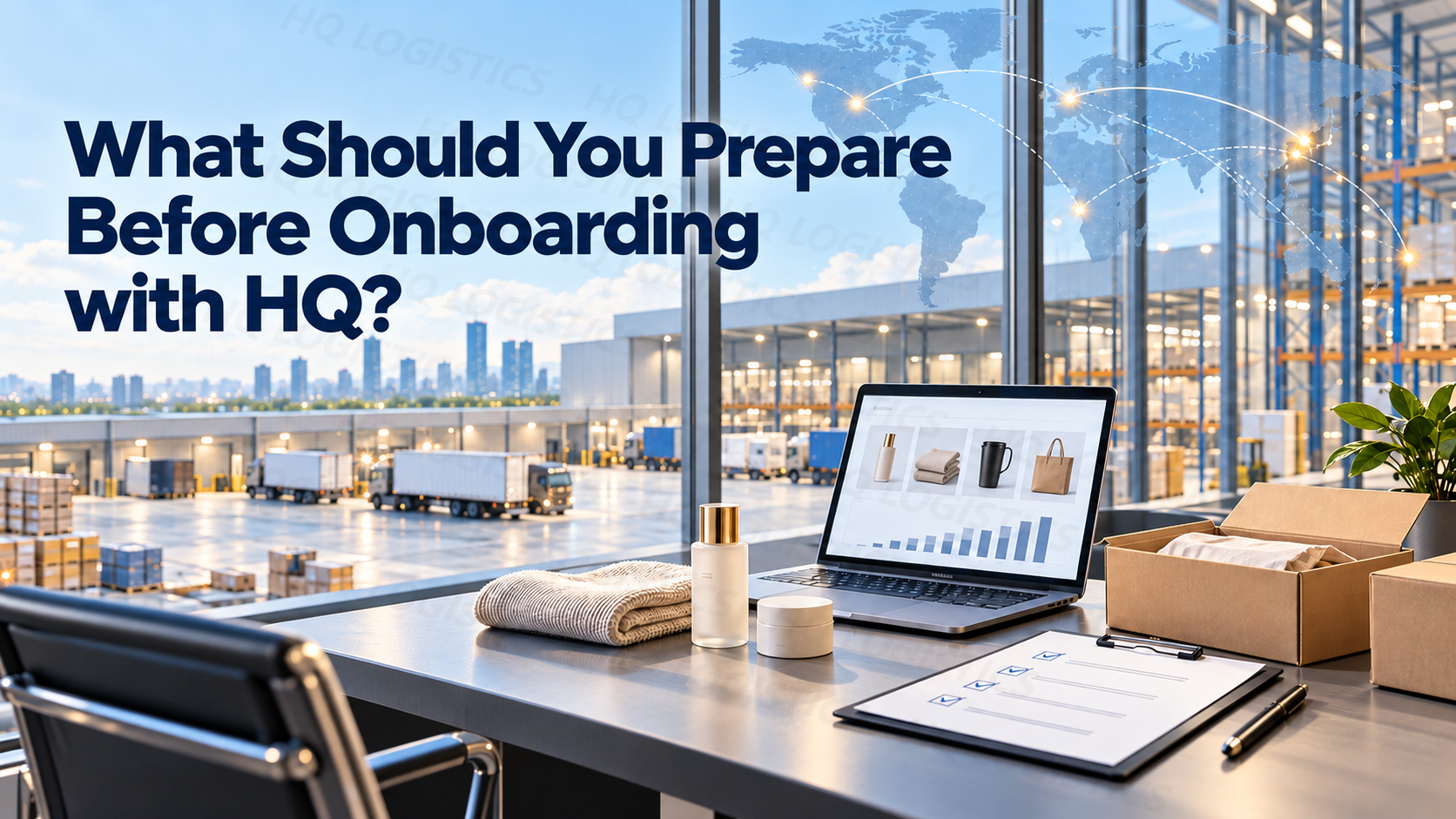
You can start onboarding with one product and a rough idea of where your orders are going. The first conversation goes faster when we can see the item, where it sits today and what you want the customer to receive. Leave any decision you’re still making marked as open.
Show us what will move
Make a simple sheet with one row per variant. Include the name customers see, your SKU, the product dimensions and the packaged dimensions if you know them. Add a photo or a store link. If you sell a two-pack or a gift set, list what belongs inside it and use a separate SKU for the bundle. That lets the warehouse plan a test order that looks like a real purchase.
Share your lead products first. For a new launch, a small group of examples gives us enough to see where the work differs. For a live store, note the items that drive most of your orders and flag anything unusual, such as items that need special handling. If the supplier holds finished stock, add the expected ready date and the person who can confirm it.
Explain how orders come in
Tell us which storefronts and marketplaces take orders, where most customers are and how many orders you typically receive. If you’re still pre-launch, give a working range and call out any planned campaign. We can discuss an initial setup before there is much sales data.
If you already use a warehouse or a fulfillment app, tell us what it handles now. That includes where stock is stored, who updates tracking and who owns returns. We can review that split before deciding where HQ should take over a step. Share your existing supplier’s business contact through the agreed onboarding channel when you’re ready for an introduction.
Send one packing example
A photo of an approved parcel is useful. Even better is a short instruction with the SKU, the box or mailer, any insert and where the shipping label goes. Include the fallback you want the packer to use when a custom item runs out. Without a fallback, the order should be held until someone makes a decision.
For shipping, start with the destinations you expect to serve and one representative parcel. A carrier estimate needs details such as origin, destination, date and weight. Ask which part of the quoted time is transit and which work happens before the parcel can leave. UPS transit and cost estimator
Pick the first order together
Choose a simple order and one awkward one, such as a bundle or an address that needs review. We can trace both through allocation, packing and tracking. Keep the names of the people who can approve a packing change or release held stock beside the instructions. Then the first live order has a clear path even if a question comes up. Start an HQ fulfillment brief