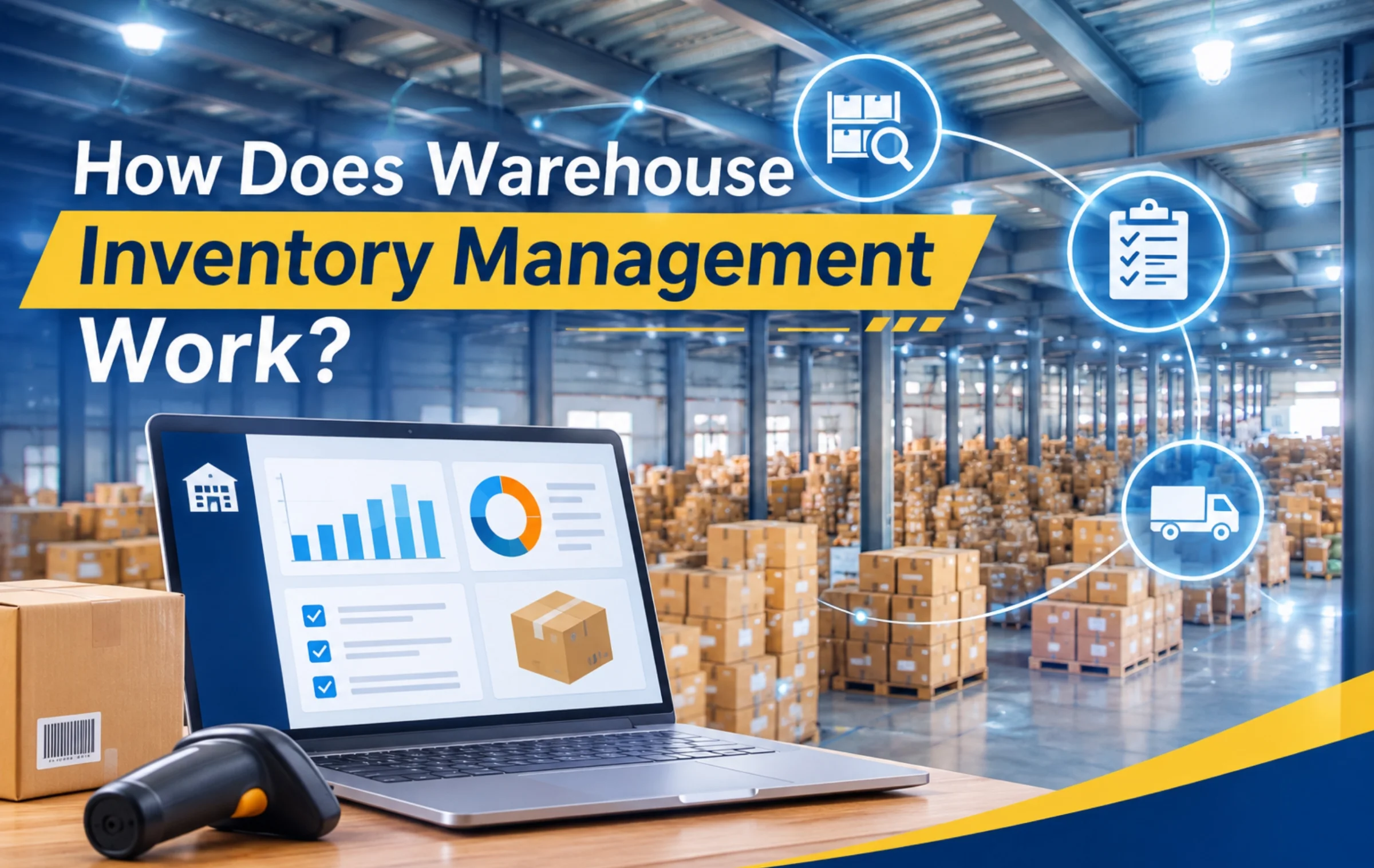
How Does Warehouse Inventory Management Work?
For ecommerce businesses, managing inventory is about more than simply storing products in a warehouse. It means knowing what products are available, where they are stored, how many units remain, and when stock needs to be replenished.Without an effective warehouse inventory management system, businesses may face stock discrepancies, delayed orders, overstocking, and unnecessary storage costs. As order volumes grow, having a clear inventory management process becomes essential for maintaining efficient operations.
So, how does warehouse inventory management work, and what should ecommerce sellers look for in a reliable warehouse partner?
1. What Is Warehouse Inventory Management?
Warehouse inventory management is the process of receiving, organizing, storing, tracking, and releasing products within a warehouse.It helps businesses maintain accurate stock records and ensures products are available when customer orders arrive.
A typical warehouse inventory management system covers:
With these processes working together, ecommerce businesses can gain better visibility and control over their inventory.
- Stock receiving: Checking incoming products and quantities.
- SKU organization: Assigning product codes and storage locations.
- Inventory tracking: Recording stock movements and available quantities.
- Storage management: Organizing products by cartons, units, or pallets.
- Stock replenishment: Monitoring inventory levels and maintaining safety stock.
- Order fulfillment: Releasing the correct products for picking, packing, and shipping.

2. How Does the Warehouse Inventory Management Process Work?
An effective inventory management process usually involves several connected stages.Step 1: Inventory Receiving and Inspection
The process begins when products arrive at the warehouse from suppliers or factories.
Warehouse staff check incoming shipments against purchase orders or receiving instructions. They verify product quantities and inspect the condition of cartons and goods.
If damaged cartons or quantity discrepancies are found, the warehouse team records the issue and communicates it to the client.
Accurate receiving records help prevent inventory errors later in the fulfillment process.
Step 2: SKU Identification and Organization
After receiving products, the warehouse organizes them using SKU (Stock Keeping Unit) codes.
Each SKU represents a specific product or product variation, such as different colors, sizes, or models.
Proper SKU management helps warehouse teams:
Identify products quickly.
Avoid mixing similar product variations.
Track stock quantities accurately.
Improve picking and packing efficiency.
Manage multiple products from different suppliers.
For ecommerce sellers with hundreds or thousands of SKUs, a clear identification system is especially important.

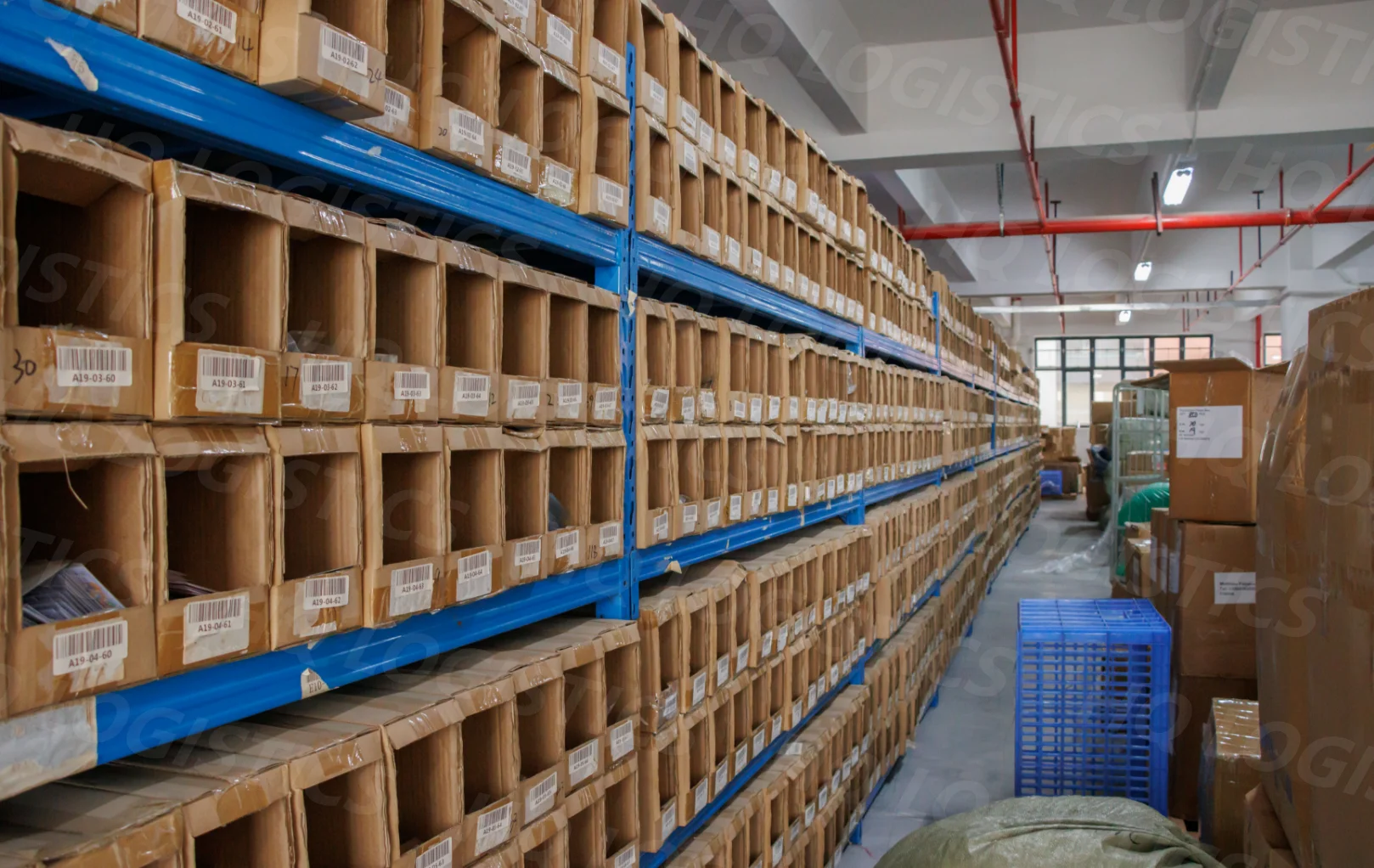
Once products are identified, they are assigned to suitable warehouse locations.
Depending on the storage requirements, inventory can be organized by individual units, cartons, or pallets.
A well-organized warehouse location system makes it easier to find products, monitor stock movements, and prepare customer orders.
Storage arrangements should also consider product dimensions, handling requirements, order frequency, and available warehouse space.
Step 4: Track Inventory Levels
Inventory tracking helps businesses understand how much stock is available at any given time.
A warehouse management system or integrated ERP system can record inventory movements, including receiving, storage, picking, and release.
Businesses should regularly monitor:
Available inventory.
Reserved inventory for pending orders.
Safety stock levels.
Incoming replenishment shipments.
Slow-moving and fast-moving products.
Accurate inventory records help sellers make better purchasing decisions and reduce the risk of overselling.
Step 5: Maintain Safety Stock and Replenish Inventory
Running out of popular products can result in missed sales and delayed orders.
Safety stock provides an additional inventory buffer to handle unexpected demand, supplier delays, or transportation disruptions.
When deciding how much safety stock to maintain, consider:
Average daily sales.
Supplier production lead times.
International shipping time.
Seasonal demand fluctuations.
Product popularity and sales trends.
For example, ecommerce sellers preparing for Christmas or other peak seasons should review their best-selling SKUs early and arrange replenishment before demand increases.
Step 6: Release Inventory for Order Fulfillment
When customer orders arrive, the warehouse releases the required inventory for fulfillment.
The warehouse team picks the correct products, checks quantities, packs orders according to the agreed requirements, and prepares parcels for shipment.
Keeping receiving, storage, and release records connected helps ensure that physical stock and system inventory remain consistent.
3. Why Is Effective Inventory Management Important for Ecommerce?
Good warehouse inventory management can improve several areas of ecommerce operations.Prevent Stockouts and Overselling
Real-time or regularly updated stock records help sellers understand product availability and avoid accepting orders for unavailable products.
Reduce Unnecessary Storage Costs
Monitoring inventory movement helps identify slow-moving products and avoid purchasing excessive quantities.
Improve Order Fulfillment Speed
Organized SKUs and clear storage locations make picking and packing more efficient.
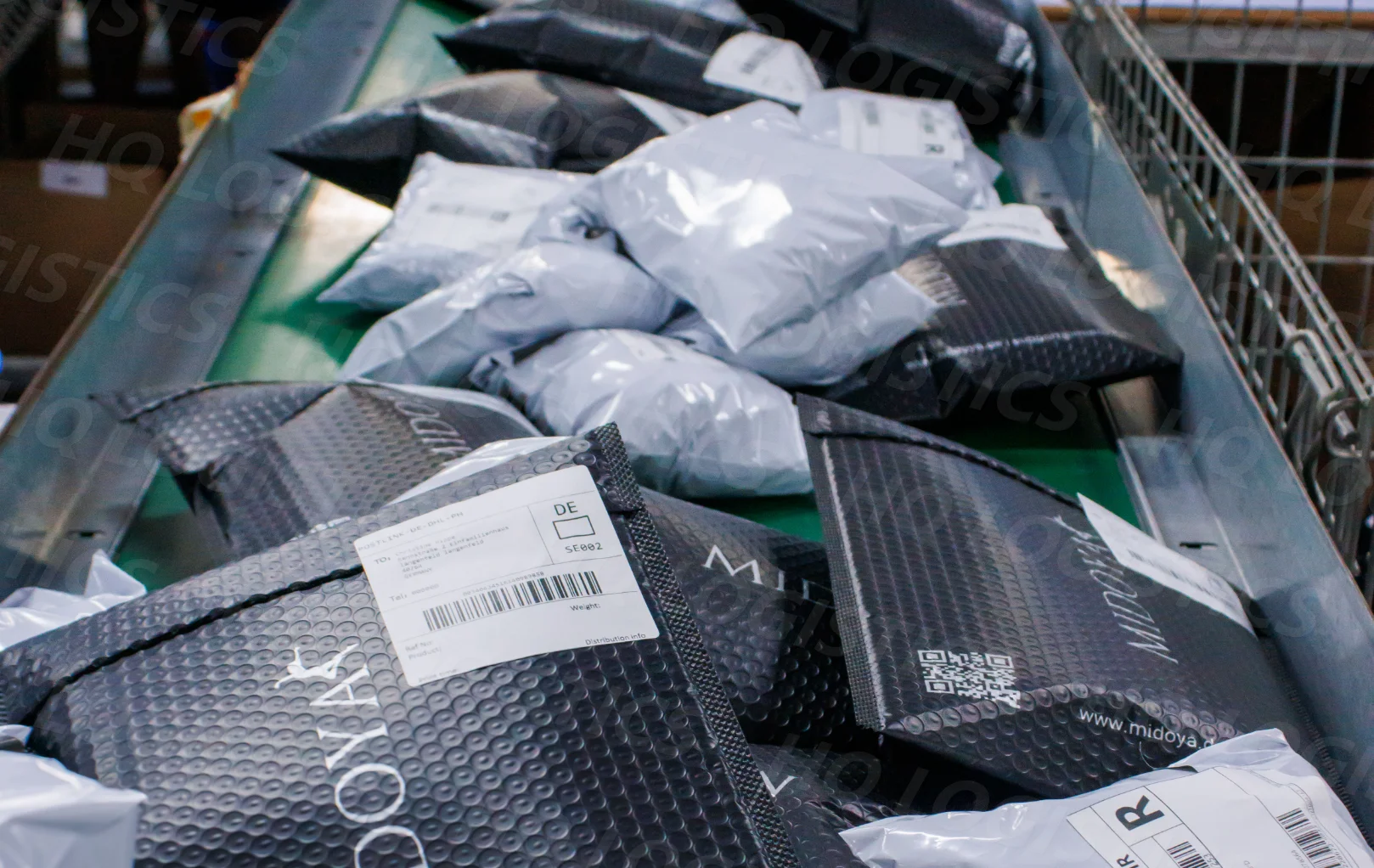
As product ranges and order volumes increase, standardized inventory processes help businesses manage more SKUs without losing control.
Improve Customer Experience
Accurate stock information and efficient order processing help reduce fulfillment errors and delivery delays.
4. How HQ Helps Businesses Manage Warehouse Inventory
Managing inventory across suppliers, warehouses, and sales channels can be challenging, especially for growing cross-border ecommerce businesses.With over 10 years of experience in the dropshipping and fulfillment industry, HQ provides integrated warehousing and supply chain support to help brands organize inventory and manage orders more efficiently.
Our warehousing process focuses on three essential stages: receive, store, and release.
Organized Receiving and Product Storage
HQ receives approved inventory, checks quantities and carton conditions, and records products according to the agreed receiving instructions.
Every carton is counted, barcoded, and assigned a storage location. Inventory records can be maintained by unit, carton, or pallet, depending on the agreed storage requirements.
Inventory Visibility and SKU Management
With HQ's inventory management processes and in-house ERP system, businesses can better organize product information and monitor inventory movements.
Our team helps maintain clear stock records from receiving through storage and release, making it easier to identify inventory discrepancies and coordinate replenishment.
HQ currently has established China warehouse operations and a US warehouse opened in August 2026.
Businesses can evaluate suitable storage locations based on product types, inventory quantities, shipping destinations, and fulfillment requirements.
The EU warehouse is planned for 2027, subject to launch confirmation.
Integrated Order Fulfillment
Warehousing is only one part of the supply chain. HQ also supports order processing, picking, packing, customized packaging, and international shipping.
Our in-house ERP system can connect with ecommerce stores through API integration, helping synchronize orders and support automated fulfillment workflows.
From inventory receiving to parcel dispatch, HQ helps businesses connect warehouse operations with their daily ecommerce activities.
Learn more about HQ Warehousing Services and discover how we can support your inventory needs.
5. Tips for Improving Your Warehouse Inventory Management
Whether you manage your own warehouse or work with a fulfillment partner, these practices can help improve inventory efficiency:The goal is to build a consistent process that makes inventory easier to track, manage, and replenish as your business grows.
- Standardize SKU codes: Make sure every product and variation has a clear identifier.
- Conduct regular stock checks: Compare physical inventory with system records.
- Monitor fast-moving products: Prioritize replenishment for your bestsellers.
- Set safety stock levels: Prepare for demand changes and supplier delays.
- Organize storage locations: Keep frequently ordered products easy to access.
- Use an integrated ERP system: Connect inventory records with order processing whenever possible.

Frequently Asked Questions
1. What is the difference between warehouse management and inventory management?Warehouse management focuses on overall warehouse operations, including receiving, storage, picking, and packing. Inventory management focuses on tracking stock quantities, product availability, and inventory movements. The two work together to improve warehouse efficiency.
2. What is SKU management in a warehouse?
SKU management is the process of identifying and organizing products using unique stock-keeping unit codes. It helps warehouse teams distinguish product variations and maintain accurate inventory records.
3. How often should warehouse inventory be checked?
Inventory checks depend on product volume and business requirements. Fast-moving or high-value products may need more frequent cycle counts, while regular full or partial stock audits help identify discrepancies.
4. Can a fulfillment warehouse manage inventory for multiple ecommerce stores?
Yes. A suitable fulfillment system can organize inventory by SKU and connect order information from multiple ecommerce stores, depending on the platform integrations and agreed service scope.
5. Does HQ provide warehouse storage in China and the US?
Yes. HQ has established China warehouse operations and a US warehouse that opened in August 2026. Storage availability, product restrictions, capacity, and commercial terms are confirmed before inventory is sent.
Take Control of Your Inventory with HQ
Effective warehouse inventory management helps ecommerce businesses maintain accurate stock records, reduce operational problems, and fulfill customer orders more efficiently.From receiving and SKU organization to inventory tracking and order release, every stage matters.
With established China operations, a US warehouse, an in-house ERP system, and integrated fulfillment services, HQ helps ecommerce brands connect inventory management with their wider supply chain.
Looking for a reliable warehouse partner in China or the US? Contact HQ to discuss your inventory requirements and build a more efficient fulfillment process.