Ship Smarter, Waste Less: Green Packaging for Ecommerce
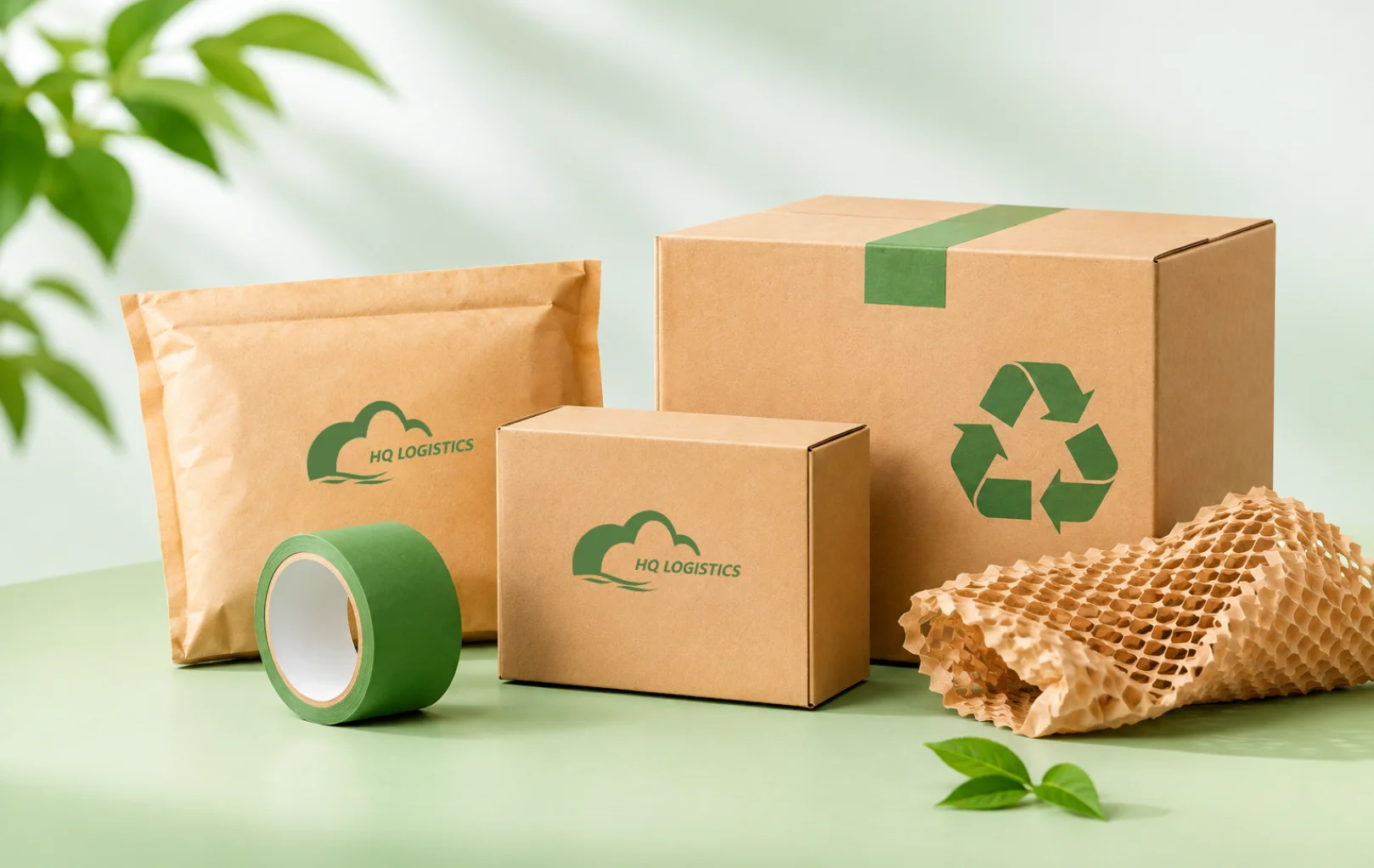
Green Packaging for Ecommerce is becoming an important consideration for online brands looking to reduce packaging waste, improve shipping efficiency, and create a better customer experience. As ecommerce orders continue to grow, packaging decisions can make a real difference—not only in how products arrive but also in how much material businesses use.However, going green doesn't simply mean replacing every plastic package with paper. The goal is to find the right balance between material use, product protection, shipping costs, and environmental impact.
So, how can ecommerce sellers make their packaging more sustainable without compromising product quality?
1. Start with the Right Packaging Size
One of the simplest ways to reduce packaging waste is to choose the right-sized box.Oversized cartons often contain unnecessary empty space, which requires additional fillers and protective materials. They may also increase dimensional shipping weight, potentially raising transportation costs.
Ecommerce businesses can improve packaging efficiency by:
Measuring product dimensions before selecting cartons.
Choosing box sizes that fit products more closely.
Reducing unnecessary gaps and empty space.
Using appropriate fillers instead of excessive packaging layers.
Right-sized packaging helps reduce material consumption while making shipments more efficient.
2. Choose Materials Based on Real Needs
Sustainable packaging materials are worth exploring, but there is no single material that works for every product.Depending on the product and shipping requirements, businesses can consider:
| Choose Materials Based on Real Needs | |
|---|---|
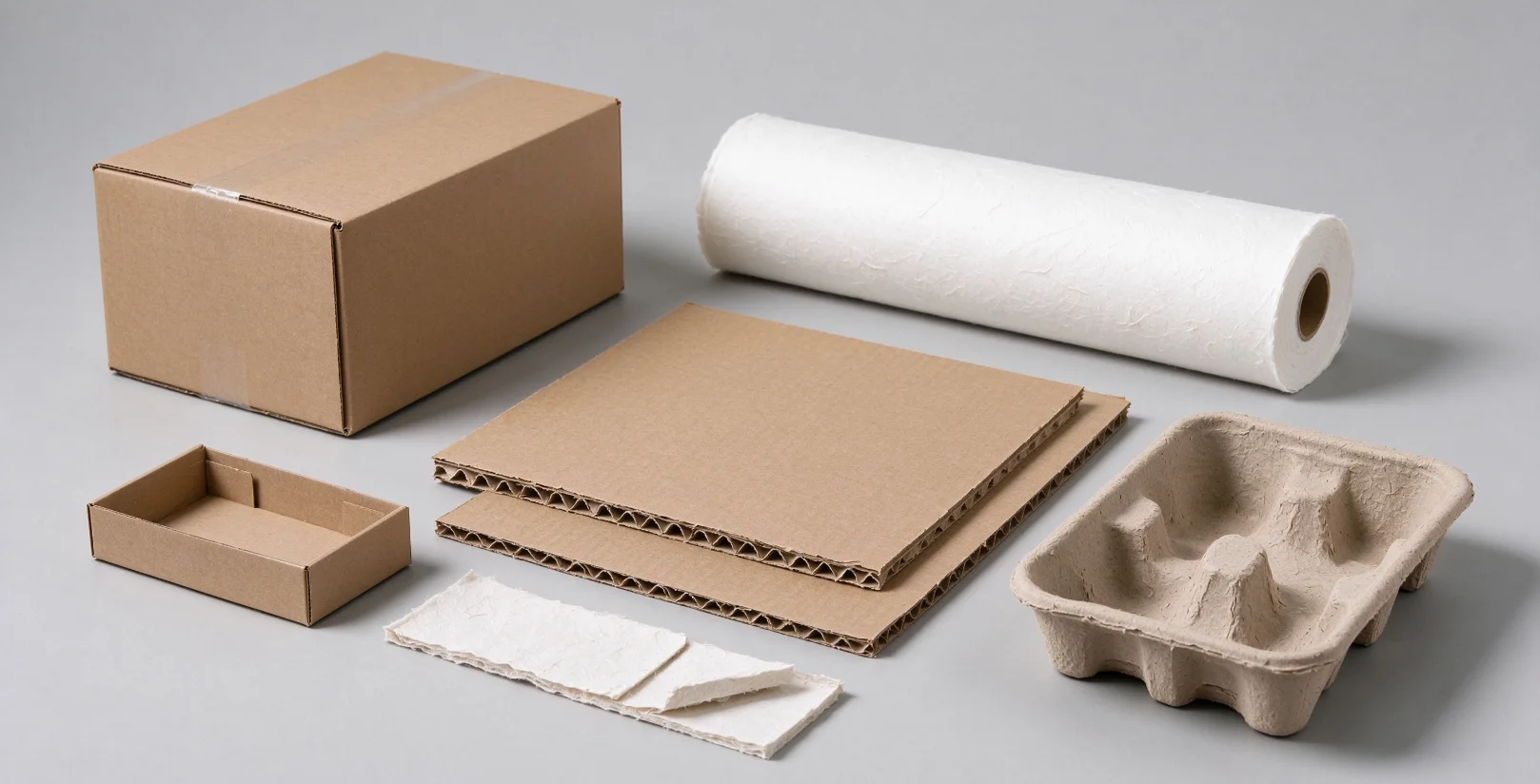 Recycled paper and cardboard can be suitable for outer cartons, inserts, and certain protective packaging applications. |  Paper cushioning and other paper-based fillers may replace some conventional plastic fillers when they provide sufficient protection. |
 For suitable products and shipping models, reusable packaging can help reduce the need for single-use materials. | 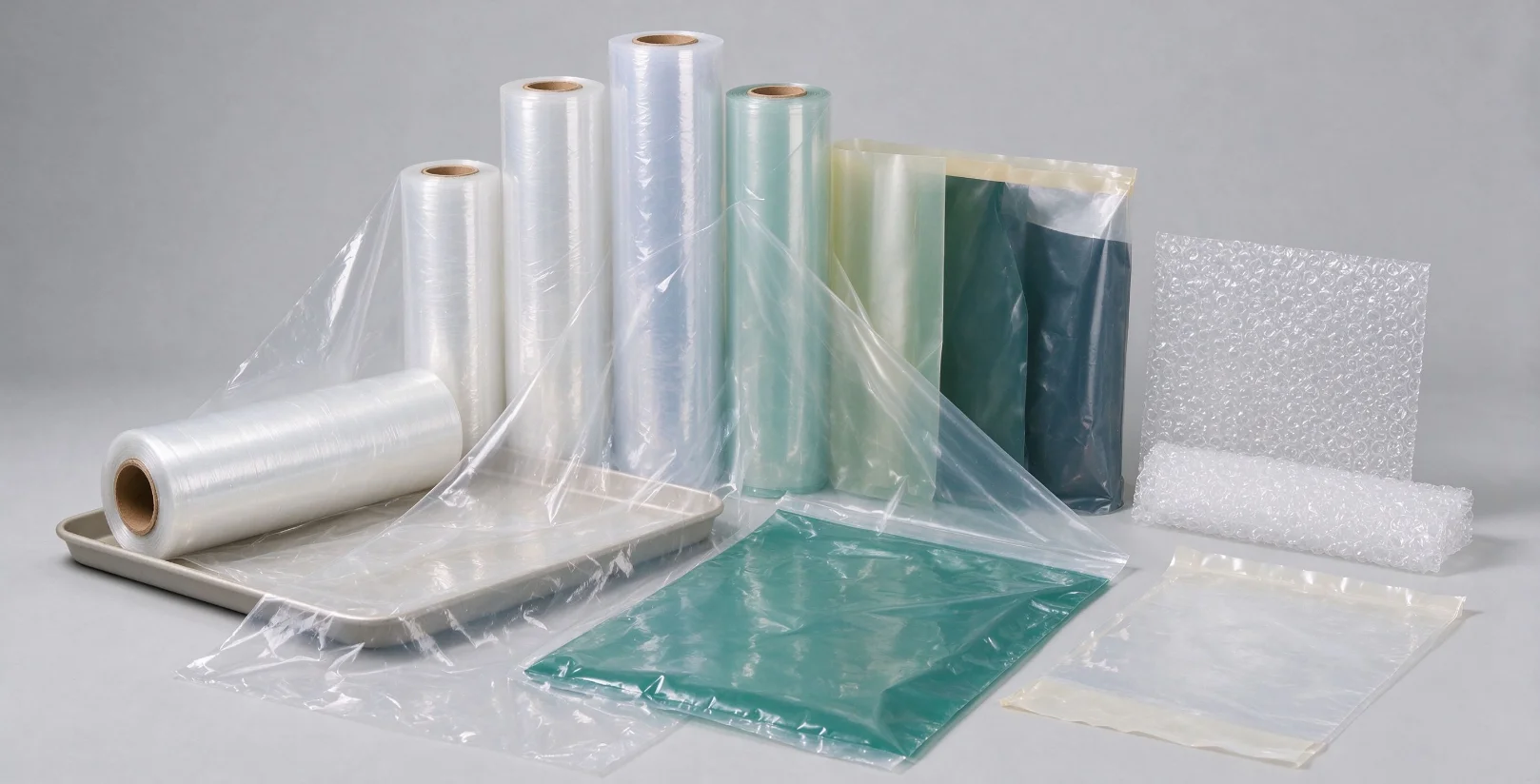 Some packaging applications still require flexible materials. Recycled-content or alternative film options may be worth evaluating based on product protection and available material evidence. |
3. Protect Products Without Overpacking
Reducing packaging materials should never come at the expense of product safety.Damaged products can lead to returns, replacements, additional shipping, and unnecessary waste. For ecommerce sellers, the best packaging solution is one that uses fewer unnecessary materials while keeping products protected throughout transportation.
Consider these factors:
Before approving a new packaging design, test the complete package under realistic transportation conditions. A lower-material option should only be adopted when it can provide reliable protection.
- Product fragility: Glass, electronics, and delicate items may require additional cushioning.
- Product shape: Irregularly shaped products need packaging that prevents unnecessary movement.
- Shipping conditions: Long-distance transportation may involve pressure, moisture, and repeated handling.
- Packaging structure: Outer cartons and inner protective layers should work together.
4. Make Sustainable Packaging Part of Your Brand
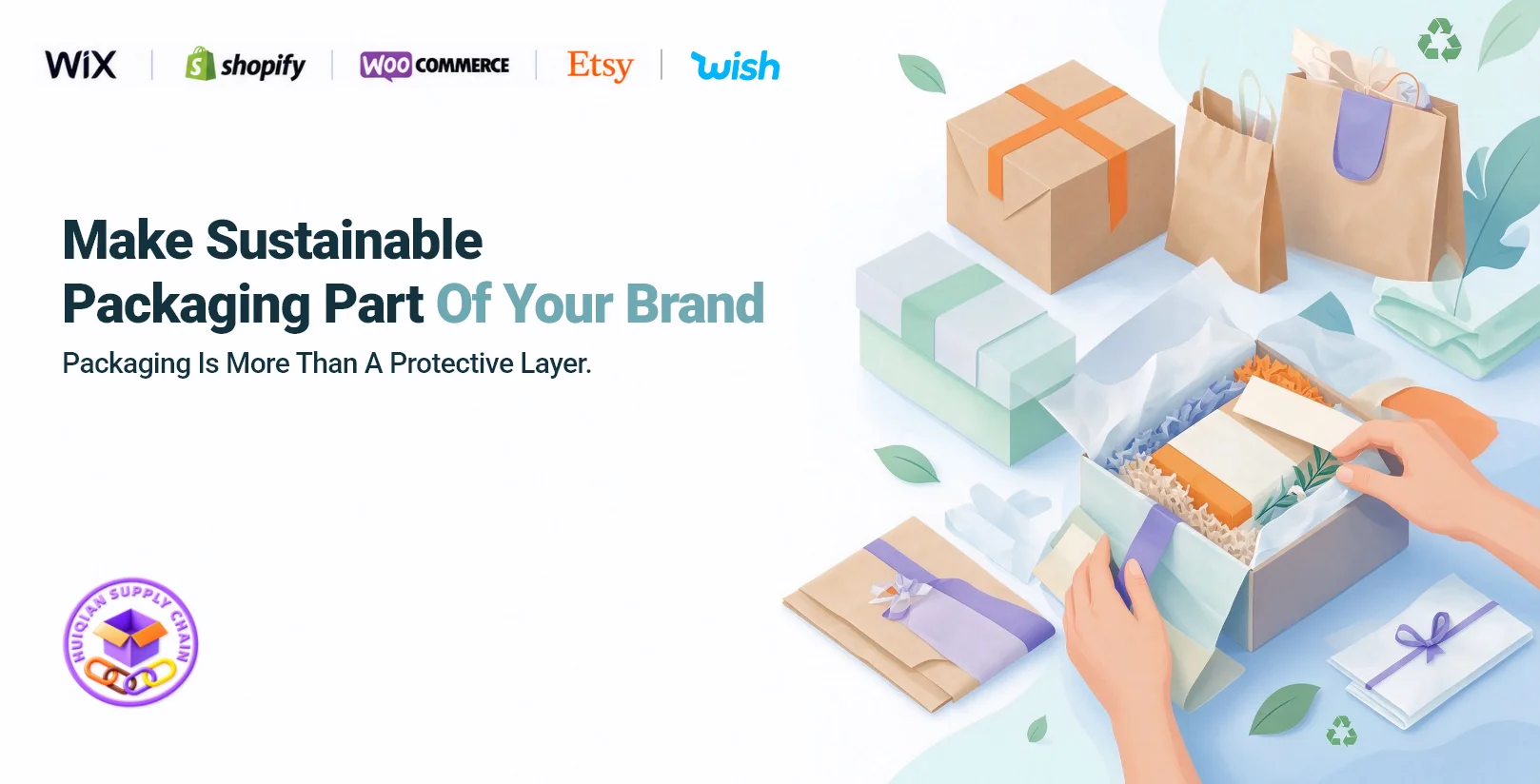
Packaging is more than a protective layer. It is also one of the first physical interactions customers have with an ecommerce brand.Thoughtful packaging can create a positive unboxing experience while reflecting your brand's values.
Here are several ways to combine branding with more responsible packaging:
Use appropriately sized branded cartons.
Reduce unnecessary printed inserts and promotional materials.
Choose packaging components with verified recycled content where suitable.
Include clear disposal or recycling instructions when supported by the actual materials.
Keep branding simple without adding unnecessary packaging layers.
If you want to develop a recognizable brand identity, explore HQ Customized Design & Branding for packaging design, printed boxes, inserts, stickers, and other customized packaging options.
The key is to make packaging both practical and visually consistent with your brand.
5. Work with a Packaging Partner That Understands Fulfillment
For growing ecommerce businesses, sustainable packaging decisions should not be made separately from sourcing, warehousing, and shipping.A packaging choice that works well at the design stage may create problems during warehouse packing or international transportation. That's why it is important to evaluate the entire process.
A reliable supply chain partner can help you:
Review existing packaging dimensions and materials.
Compare alternative packaging options.
Coordinate material specifications with suppliers.
Evaluate product protection and transportation risks.
Keep approved packaging specifications for consistent fulfillment.
At HQ Supply Chain, green packing follows a practical three-step approach: right-size first, review material evidence, and test transportation protection before approving the final packaging profile.
You can learn more about HQ Green Packing Solutions and how to improve your existing packaging.
You can also explore HQ Order Fulfillment Services to see how packaging connects with picking, packing, and shipping operations.
6. How to Get Started with Greener Packaging
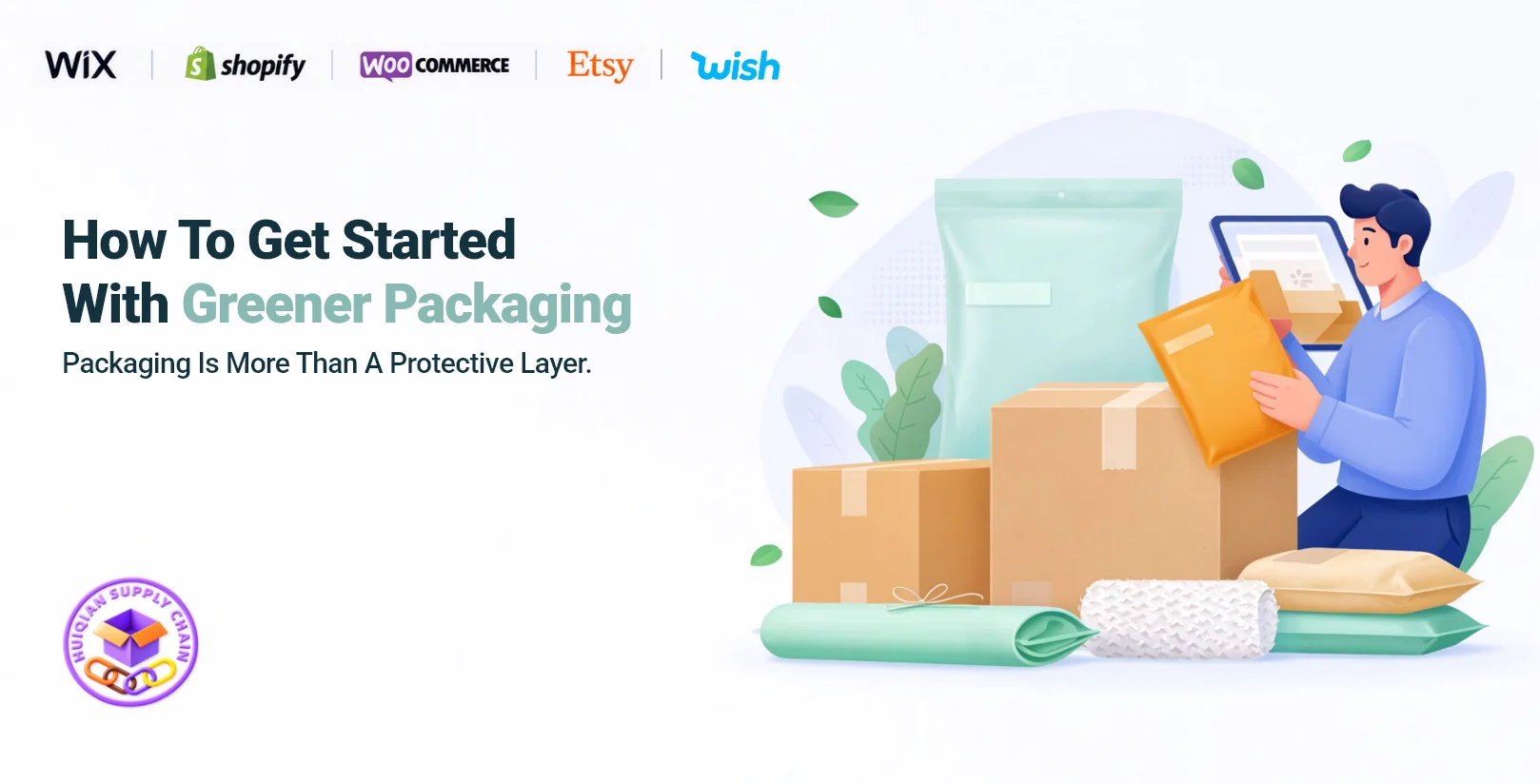
You don't need to redesign all your packaging at once. A gradual approach can help you identify improvements without disrupting daily operations.Here is a practical process for ecommerce sellers:
Step 1: Review Your Current Packaging
Record your existing carton sizes, materials, protective layers, product dimensions, and common damage issues.
Step 2: Identify Unnecessary Materials
Look for oversized boxes, excessive fillers, redundant layers, and packaging components that can potentially be removed.
Step 3: Compare Alternative Options
Ask suppliers to provide material specifications and evidence for recycled content or other environmental claims.
Step 4: Test Before Scaling
Request samples and evaluate product fit, appearance, and transportation protection before approving a new packaging solution.
Step 5: Keep Packaging Standards Consistent
Maintain an approved packaging specification for each SKU so suppliers and fulfillment teams can follow the same requirements.
Small improvements across hundreds or thousands of orders can make packaging operations more efficient over time.
Frequently Asked Questions
1. What is green packaging for ecommerce?Green packaging refers to packaging solutions designed to reduce unnecessary material use and environmental impact while maintaining product protection. It may include right-sized cartons, recycled-content materials, reusable packaging, and more efficient packaging designs.
2. Is paper packaging always better than plastic?
Not necessarily. The best option depends on product requirements, material composition, transportation conditions, and local recycling systems. Businesses should compare the actual environmental and functional performance of different materials.
3. Can sustainable packaging reduce shipping costs?
It can. Right-sized packaging may reduce dimensional weight, unnecessary fillers, and overall package volume. However, actual savings depend on the carrier's pricing rules, package dimensions, and shipping destination.
4. How can I make my existing branded packaging more sustainable?
Start by reviewing your current packaging dimensions, material specifications, and damage records. Then compare smaller cartons, alternative materials, and simpler packaging structures while preserving your brand identity and product protection.
5. Can HQ help ecommerce businesses improve their packaging?
Yes. HQ can review existing packaging, coordinate with suppliers, compare lower-waste options, evaluate material evidence, and test the finished packaging profile before implementation.
Build a Smarter and Greener Packaging Strategy
Sustainable packaging is not about using the fewest materials possible. It is about using the right materials, in the right quantities, with the right level of protection.For ecommerce sellers, better packaging can mean less unnecessary waste, more efficient shipping, and a more thoughtful customer experience.
With the right packaging strategy and supply chain support, your business can move toward more responsible operations without sacrificing product quality or brand presentation.
Green Packaging for Ecommerce starts with smarter decisions. Review your current packaging and discover how HQ can help you ship smarter and waste less.