How to Manage Ecommerce Returns: A Practical Guide to Reducing Losses and Recovering Inventory Value
Ecommerce returns are an unavoidable part of running an online business. Whether customers receive the wrong size, change their minds, or discover a damaged product, every return creates additional costs and operational work. For cross-border ecommerce sellers, returns can be even more complicated. International shipping costs, warehouse locations, product inspections, and inventory management all affect how efficiently returned products can be handled. The good news is that a well-organized ecommerce returns management process can help businesses reduce unnecessary losses, recover sellable inventory, and improve the overall customer experience. Here are six practical steps to manage ecommerce returns more efficiently.
1. Create a Clear and Consistent Return Policy
A good return management process starts before the first order is shipped. Your return policy should clearly explain: Which products are eligible for returns. How many days customers have to request a return. Which conditions products must meet. Who is responsible for return shipping costs. How refunds, exchanges, and replacements are handled. For international ecommerce businesses, it is also important to consider different return requirements across markets. A clear policy helps customers understand their options and gives your operations team consistent guidelines for handling different return situations.
2. Set Up a Convenient Return Location
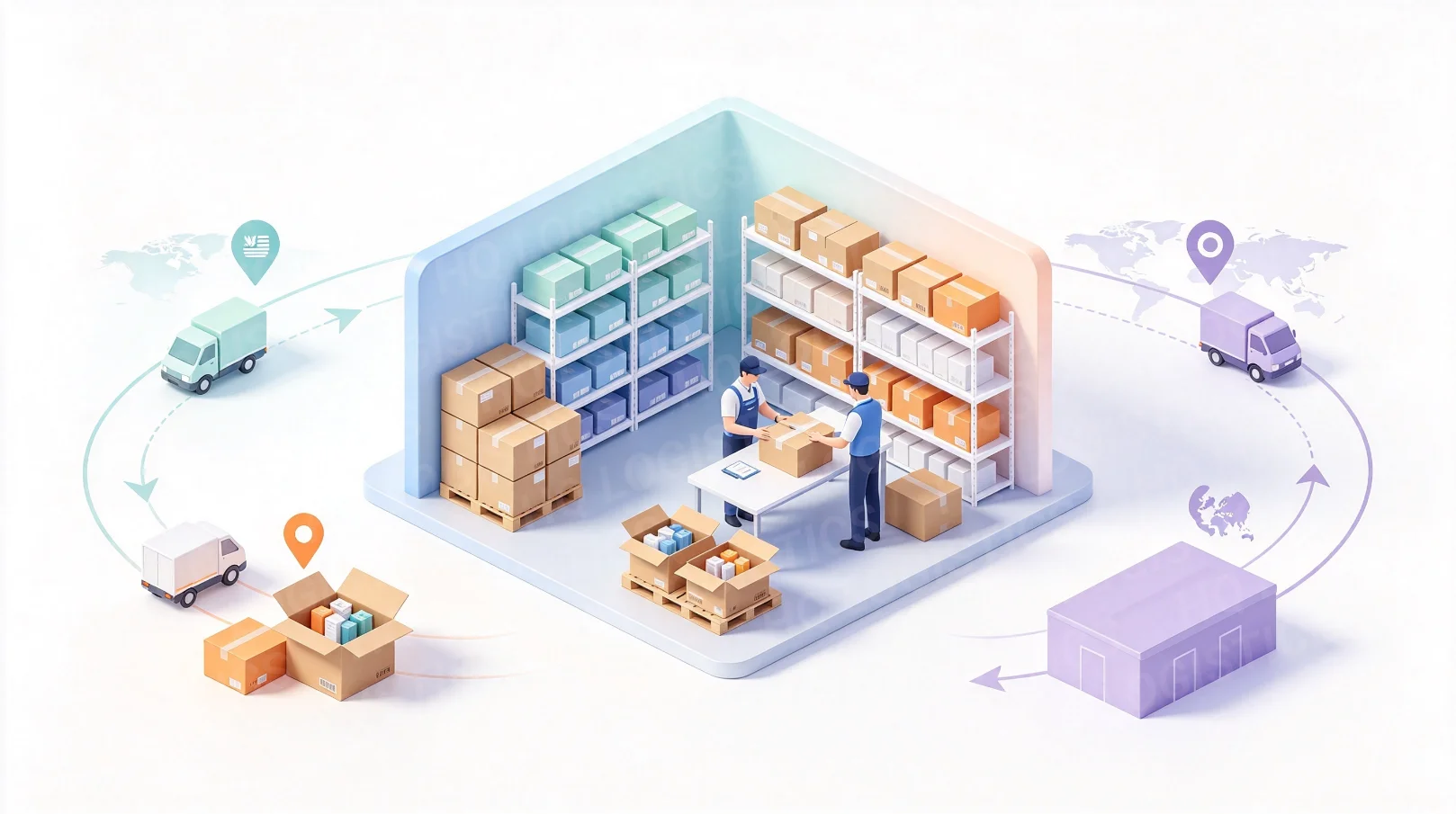
International returns can become expensive when every product needs to be shipped back to China. Instead of automatically returning every parcel to the original supplier, consider using an available local return warehouse or approved return partner. For example, eligible US returns can be handled through an available US warehouse. For European orders, the return location and handling process should be confirmed through an approved local partner route. A suitable return location can help businesses: Reduce unnecessary international shipping costs. Receive returned products more efficiently. Inspect products before deciding their next destination. Keep returned inventory organized. Choosing the right return location is an important part of building an efficient cross-border returns strategy.
3. Inspect Every Returned Product Before Making a Decision
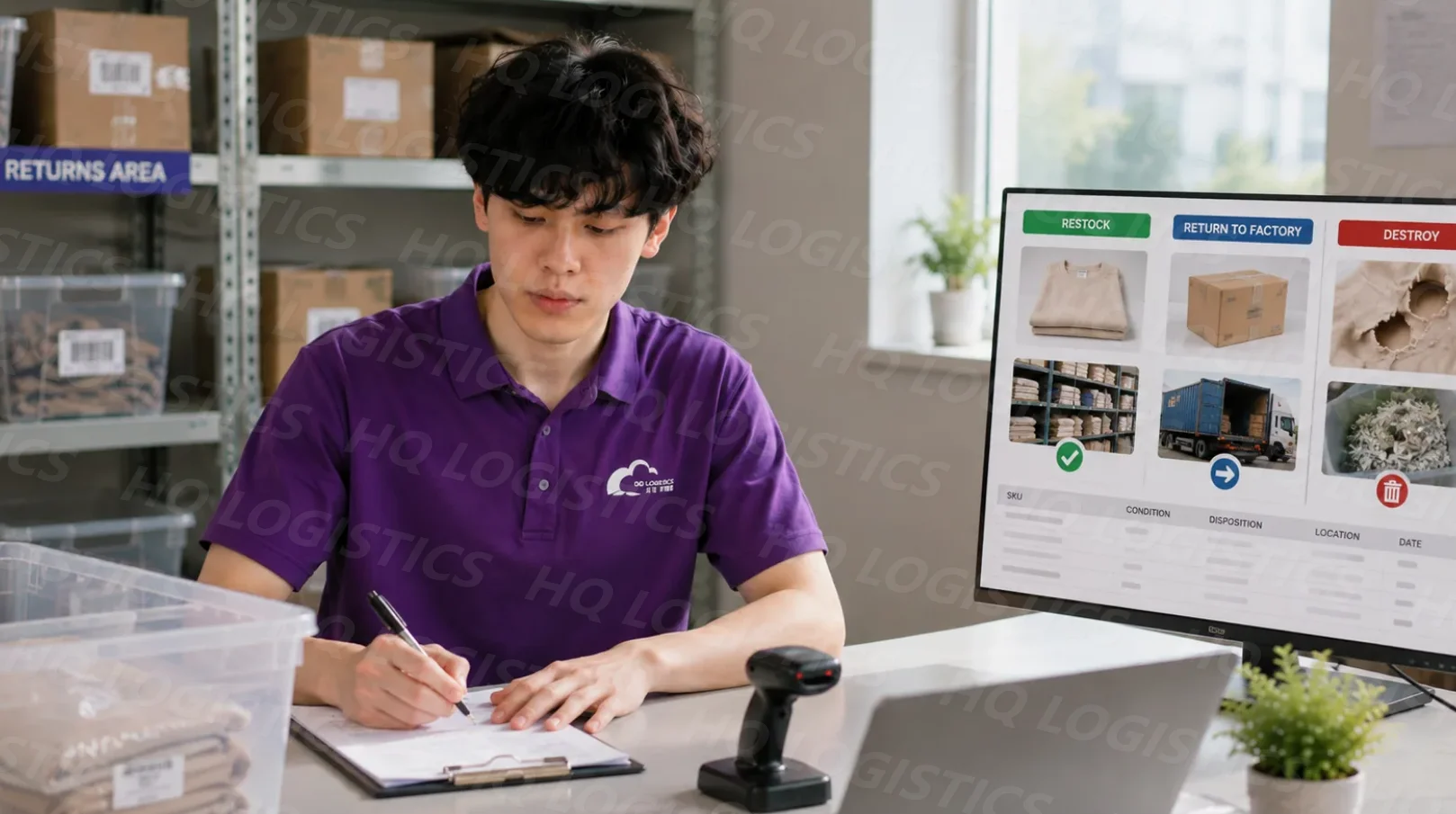
Not every returned product is damaged or unsuitable for resale. Some customers simply change their minds, order the wrong size, or return an item that remains unopened and in excellent condition. That's why product inspection should be a standard part of ecommerce returns management. A practical inspection process should include: Product identity: Confirm that the returned item matches the original SKU and order. Product condition: Check for scratches, defects, missing components, or signs of use. Packaging condition: Verify whether the original packaging is intact and suitable for resale. Product completeness: Check whether all accessories, labels, and included parts are present. Photo documentation: Take clear pictures to record the actual condition of each returned item. These checks help sellers make informed decisions instead of automatically treating every return as a financial loss.
4. Categorize Returns and Decide What Happens Next
After inspection, returned products should be assigned a clear condition status. A simple three-category system works well for many ecommerce businesses: Sellable: Products that meet your resale standards can be returned to inventory. Damaged: Products with defects or missing components may require repair, supplier review, or another approved solution. Destroyed: Products that cannot be recovered may need to be disposed of with supporting evidence. Depending on the product and your business requirements, other options may include repacking, replacing, or returning products to the original factory. The key is to establish clear handling rules before returns arrive. This prevents unnecessary storage costs, reduces confusion between warehouses and suppliers, and helps your team make consistent decisions.
5. Track Return Reasons and Monitor Inventory
Managing individual returns is important, but understanding return patterns is equally valuable. If certain products are frequently returned, there may be an underlying issue with product quality, descriptions, sizing, or packaging. Track important information such as:
Return reasons.
Product SKU and quantity.
Inspection results.
Product condition.
Final disposition.
Refund or replacement status.
Regularly reviewing this information can help identify recurring problems. For example, if a particular product receives frequent complaints about damaged packaging, you may need to improve protective packaging or review the supplier's quality standards. Accurate return records also help keep inventory counts up to date, making it easier to plan future purchases and avoid unnecessary restocking.
6. Work with a Fulfillment Partner That Supports Returns and Inspection
For growing ecommerce businesses, managing international returns independently can become complicated. A fulfillment partner with returns and inspection capabilities can help coordinate the process, from receiving returned parcels to documenting product conditions and arranging the next step. At HQ Supply Chain, the returns and inspection workflow includes:
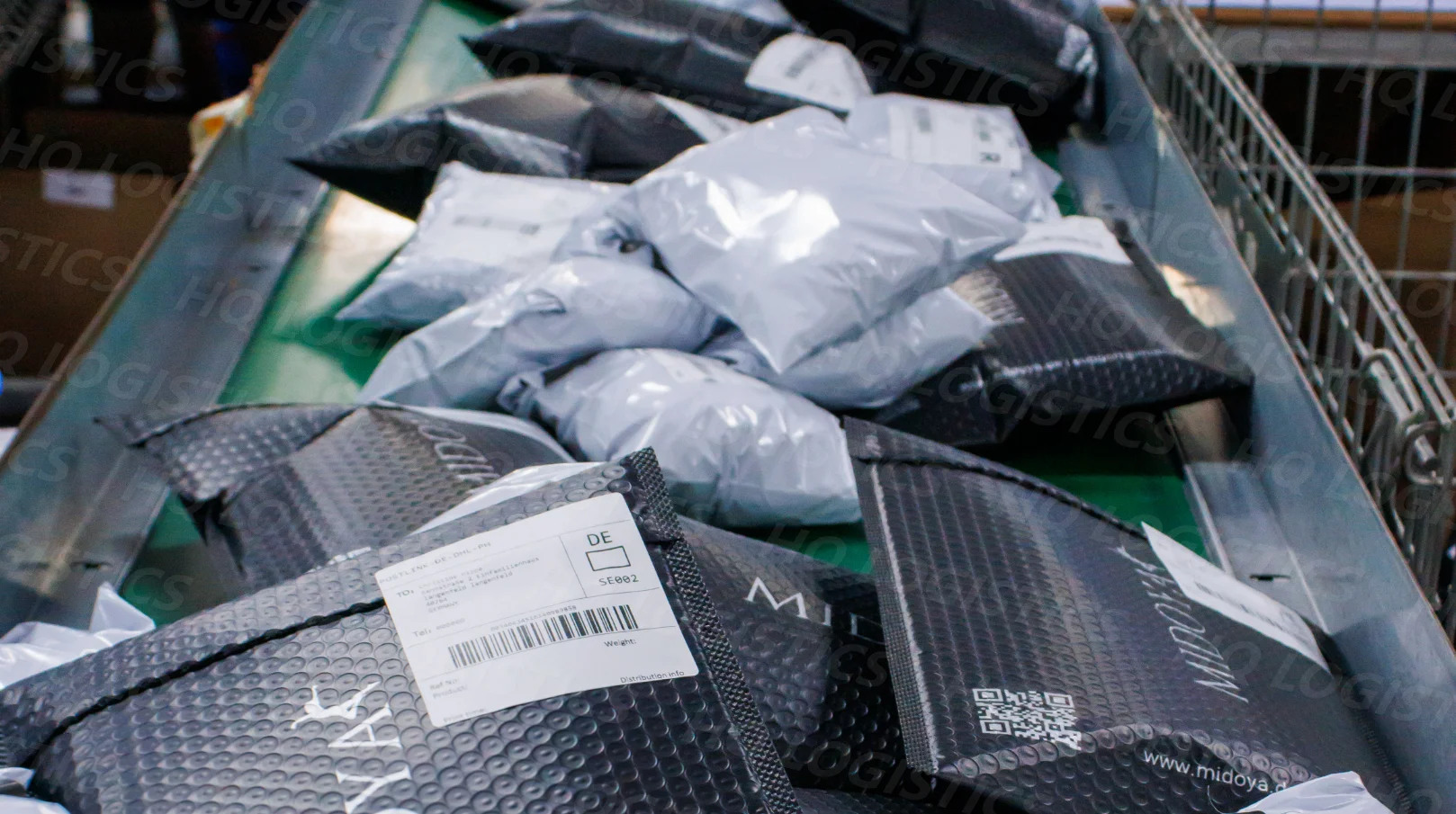
Return receiving: Returned goods are received at an approved handling location based on market availability.
Product inspection: Each returned item is opened, checked, photographed, and graded.
Inventory recovery: Sellable products can be returned to inventory and reflected in stock counts.
Disposal documentation: Products that cannot be resold can be destroyed with photo evidence and dated records.
Return reporting: Inspection results, reason codes, and final decisions are recorded by SKU.
Sellers define the inspection standards and handling rules, while HQ follows those requirements to process returned goods. This approach helps businesses gain better visibility into returned inventory and make more informed decisions about refunds, replacements, restocking, and supplier claims.
Frequently Asked Questions About Ecommerce Returns
1. How can small ecommerce businesses reduce return costs? Start with a clear return policy, accurate product descriptions, reliable quality checks, and suitable local return options. Working with a fulfillment partner can also help reduce unnecessary international shipping and handling costs. 2. Should all returned products be sent back to the supplier? No. Products that are still in good condition may be restocked and resold. Only damaged, defective, or otherwise unsuitable products may need to be returned to the supplier or disposed of, depending on your business rules. 3. How do you handle international ecommerce returns? Establish an approved return location for each market, inspect returned products locally where possible, document their condition, and decide whether to restock, replace, destroy, or return them to the factory. 4. Why is photo documentation important for returns? Photos provide evidence of the product's actual condition when it arrives. They can support supplier claims, help resolve refund disputes, and make inventory decisions more transparent. 5. Can a fulfillment partner handle both returns and product inspections? Yes. Depending on the available warehouse network and service scope, a fulfillment partner can receive returned products, inspect and photograph them, classify their condition, and coordinate restocking, disposal, or factory returns.
Build a Smarter Ecommerce Returns Management Process with HQ
Effective ecommerce returns management is about more than processing refunds. It is about understanding what comes back, identifying what can be recovered, and making sure every returned product has a clear next step. With HQ Supply Chain's Returns & Inspection service, ecommerce sellers can gain better visibility into returned inventory through structured inspections, photo evidence, condition grading, and SKU-level reporting. Explore HQ Returns & Inspection to build a more organized return process and recover more value from your inventory.