Q4 Is Coming: Is It Time to Switch Your Supplier?

Q4 is one of the most important sales periods for ecommerce businesses. With Halloween, Black Friday, Cyber Monday, and Christmas approaching, customer demand can increase rapidly. For Shopify sellers and growing ecommerce brands, this is an opportunity to boost revenue—but only if the supply chain is ready.A reliable supplier can help you manage rising demand, maintain product quality, and deliver orders on time. However, a supplier who performs well during normal periods may struggle when order volumes double or even triple.So, how do you know if it’s time to switch your supplier before the Q4 rush begins?
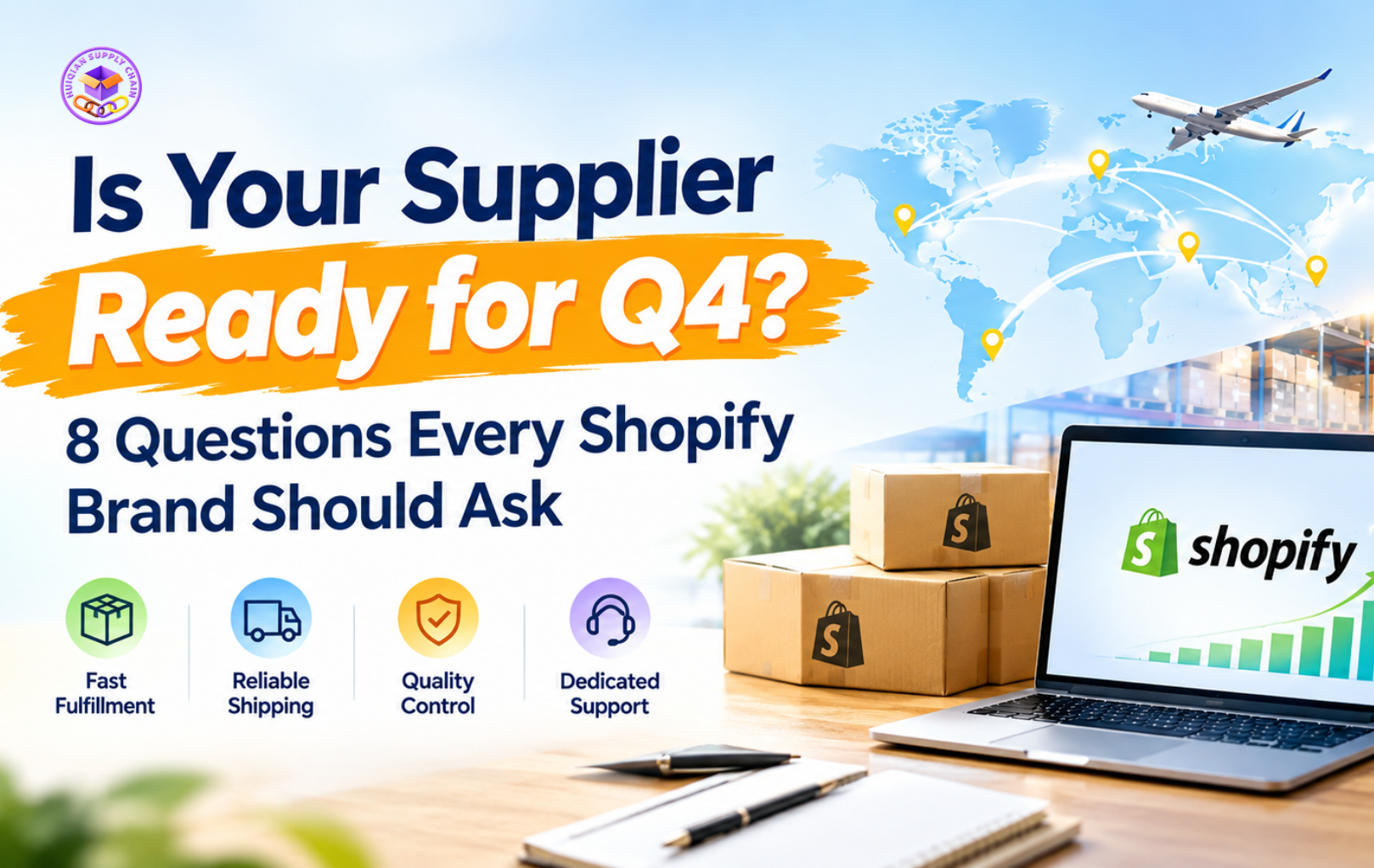


1. Your Supplier Can’t Keep Up With Growing Demand

One of the first warning signs is declining production capacity. If your supplier already struggles with regular orders, a sudden increase in demand could lead to longer processing times, inventory shortages, and missed sales opportunities.During Q4, customers expect products to arrive before specific holidays. Even a short delay can affect customer satisfaction and increase refund requests.Before peak season, ask your supplier a few important questions:●Can they handle a significant increase in order volume?●Do they have enough raw materials and inventory to meet demand?●Can they provide realistic production timelines?●Do they have backup plans for unexpected production delays?If your supplier cannot provide clear answers, it may be time to explore alternatives.A good supplier should support your growth, not become the reason you miss sales opportunities.

2. Product Quality Becomes Inconsistent

When order volumes increase, some suppliers may prioritize speed over quality. This can result in defective products, incorrect items, damaged packaging, and inconsistent product specifications.These problems can be particularly costly during Q4. Customers purchasing holiday gifts have little patience for damaged or incorrect orders, and negative reviews can affect your store long after the holiday season ends.Before committing to large orders, review your supplier’s quality control process. Check whether they inspect products before shipment, follow consistent quality standards, and provide solutions when defects are discovered.If possible, arrange product inspections or sample testing before increasing your inventory.Quality control should become stronger as your business grows, not weaker. If your current supplier cannot maintain consistent standards under pressure, consider working with a partner that offers a more reliable inspection process.

3. Shipping Delays Are Putting Your Sales at Risk

Fast and predictable delivery is especially important during the holiday shopping season. Customers often order gifts with specific delivery dates in mind, making shipping reliability just as important as product quality.However, shipping delays do not always come from the carrier. Slow order processing, poor inventory management, and inefficient warehouse operations can also extend delivery times.Before Q4 begins, review your complete fulfillment timeline, including production, quality inspection, packing, dispatch, and final delivery.Consider whether your current setup offers:●Clear processing and shipping timelines.●Reliable tracking and shipment updates.●Suitable shipping options for your target markets.●Efficient order fulfillment during peak periods.●A backup plan for unexpected delays.If your supplier cannot support your delivery commitments, switching to a more capable supplier or fulfillment partner could help protect your customer experience.

4. Your Total Costs Are Becoming Too High

When sales increase, hidden operational costs can quickly reduce your profit margins. A supplier with a low product price may not be the most cost-effective choice once you include shipping, packaging, storage, inspection, and returns.For example, frequent product defects may increase replacement costs, while slow processing can lead to missed sales. Expensive shipping options may also reduce your profits during a period when every order matters.Before switching suppliers, compare the total landed cost, rather than focusing only on the unit price.Review product costs, shipping fees, packaging expenses, quality control, and any additional service charges. Then compare these costs with the supplier’s production capacity and delivery performance.A slightly higher unit price may be worthwhile if it comes with better quality, fewer delays, and more reliable fulfillment.

5. Communication Is Slowing Down Your Business

Clear communication becomes essential when your business is moving quickly. You need timely updates about inventory, production schedules, quality issues, and shipping arrangements.If your supplier takes days to answer simple questions or fails to notify you about potential delays, planning becomes difficult. You may not discover a problem until customers begin asking where their orders are.A reliable supplier should provide transparent updates and respond quickly when problems arise.Before Q4, evaluate how your supplier handles urgent requests, unexpected changes, and order status updates. If communication is consistently unreliable, consider whether another partner could provide the support your business needs.

How to Decide Whether You Should Switch Suppliers

Switching suppliers is a significant decision, and it should not be based on one bad experience alone. Start by identifying the problems affecting your business and determining whether your current supplier can resolve them before peak season.Use this checklist to evaluate your current setup:●Production capacity can support expected Q4 demand.●Product quality remains consistent as order volume grows.●Inventory is available when needed.●Shipping options meet customer delivery expectations.●Total costs support your profit margins.●Communication is timely and transparent.●There is a clear plan for unexpected disruptions.If several areas need improvement and your supplier cannot offer practical solutions, it is worth comparing alternatives.Remember to leave enough time for supplier verification, sample testing, inventory planning, and fulfillment setup. Changing suppliers at the last minute can create more problems than it solves.

How HQ Can Help Your Business Prepare for Q4

For ecommerce brands, finding a reliable supplier is only one part of building a dependable supply chain. Sourcing, quality control, inventory management, packaging, and shipping all affect the customer experience.HQ helps ecommerce businesses coordinate these operations through an integrated supply chain solution. From China sourcing and product customization to warehouse fulfillment and global shipping, brands can streamline multiple processes with one partner.Whether you are preparing for a seasonal sales spike or planning for long-term growth, reviewing your supply chain early can help you identify bottlenecks before they affect your customers.With better inventory planning, consistent quality checks, and a suitable fulfillment strategy, your business can be better prepared to handle increased order volumes.

Final Thoughts

Q4 brings significant opportunities for ecommerce businesses, but it also exposes weaknesses in the supply chain. A supplier who performs well during quieter months may not have the capacity, quality standards, or logistics support needed during peak season.Before demand increases, review your supplier’s production capacity, product quality, shipping reliability, total costs, and communication.If your current supplier can address the problems, improving the existing partnership may be the best option. If not, start evaluating alternatives before the busiest shopping days arrive.Q4 is coming. Make sure your supplier is ready to grow with your business—not hold it back.