How to Source in China Without Losing the Product Brief

Sourcing in China can help ecommerce brands find competitive prices, flexible suppliers, and new product opportunities. But there is one problem many sellers overlook: the final product may not match the original product brief.A small change in materials, dimensions, colors, or packaging can affect product quality and customer satisfaction. So, how can you keep your product requirements consistent from sourcing to delivery?
1. Create a Clear Product Brief Before Sourcing

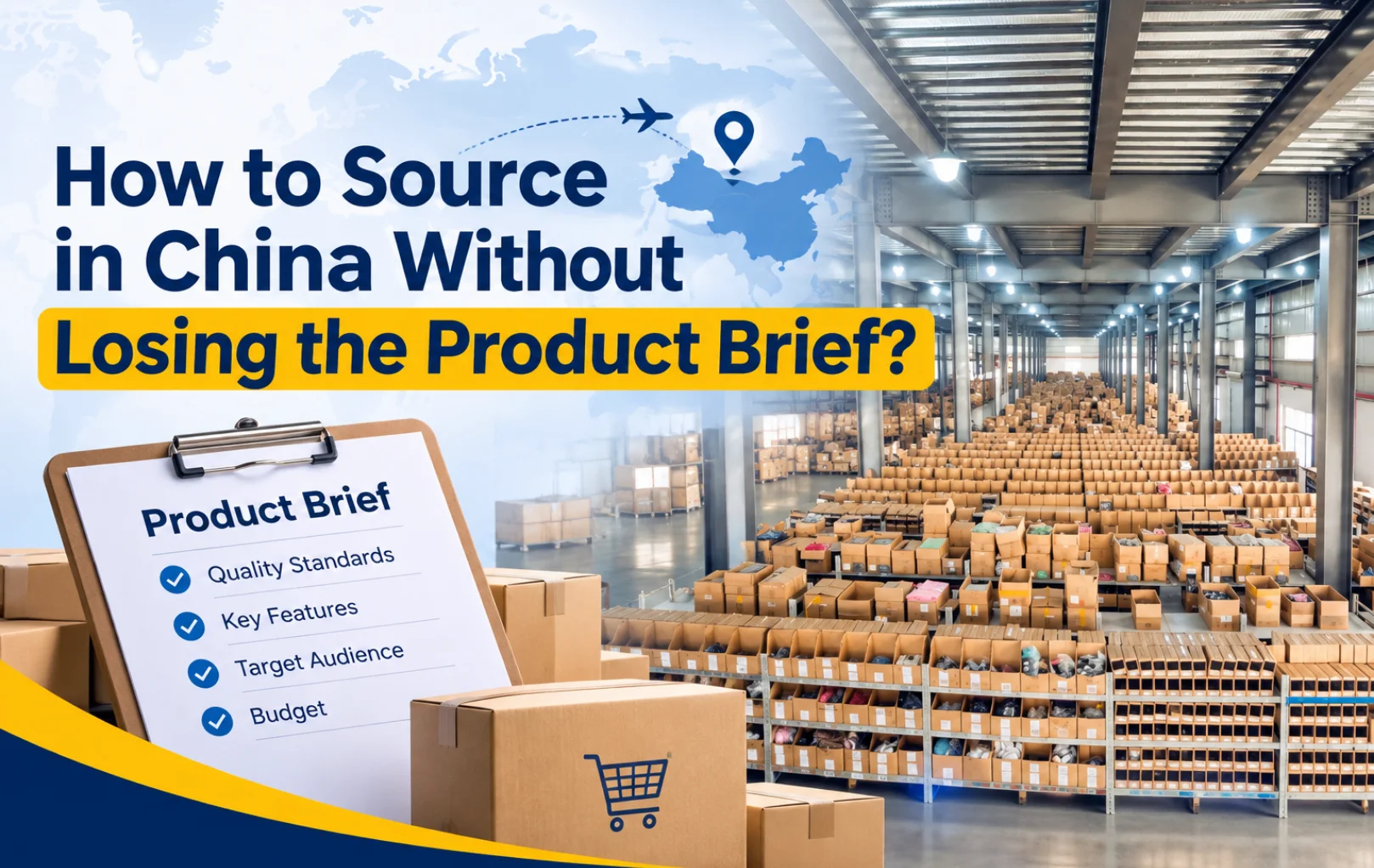
Don't rely on product photos or a few messages to explain what you want.Prepare a detailed product brief that includes:- Product specifications: Materials, dimensions, weight, and functions.- Visual references: Product photos, drawings, colors, and design details.- Quality standards: Expected finish, performance, and acceptable tolerances.- Packaging requirements: Labels, inserts, branded packaging, and protective materials.The more specific your brief is, the less room there is for misunderstanding.

2. Make Sure Suppliers Understand Your Requirements

Finding a supplier is only the first step. You also need to confirm that they can actually meet your requirements.Ask suppliers to review the brief and confirm important details in writing. Request samples before placing a large order, especially when materials, product functions, or appearance matter.Never assume that a supplier understands your expectations just because they say yes.

3. Keep One Standard for Samples and Mass Production

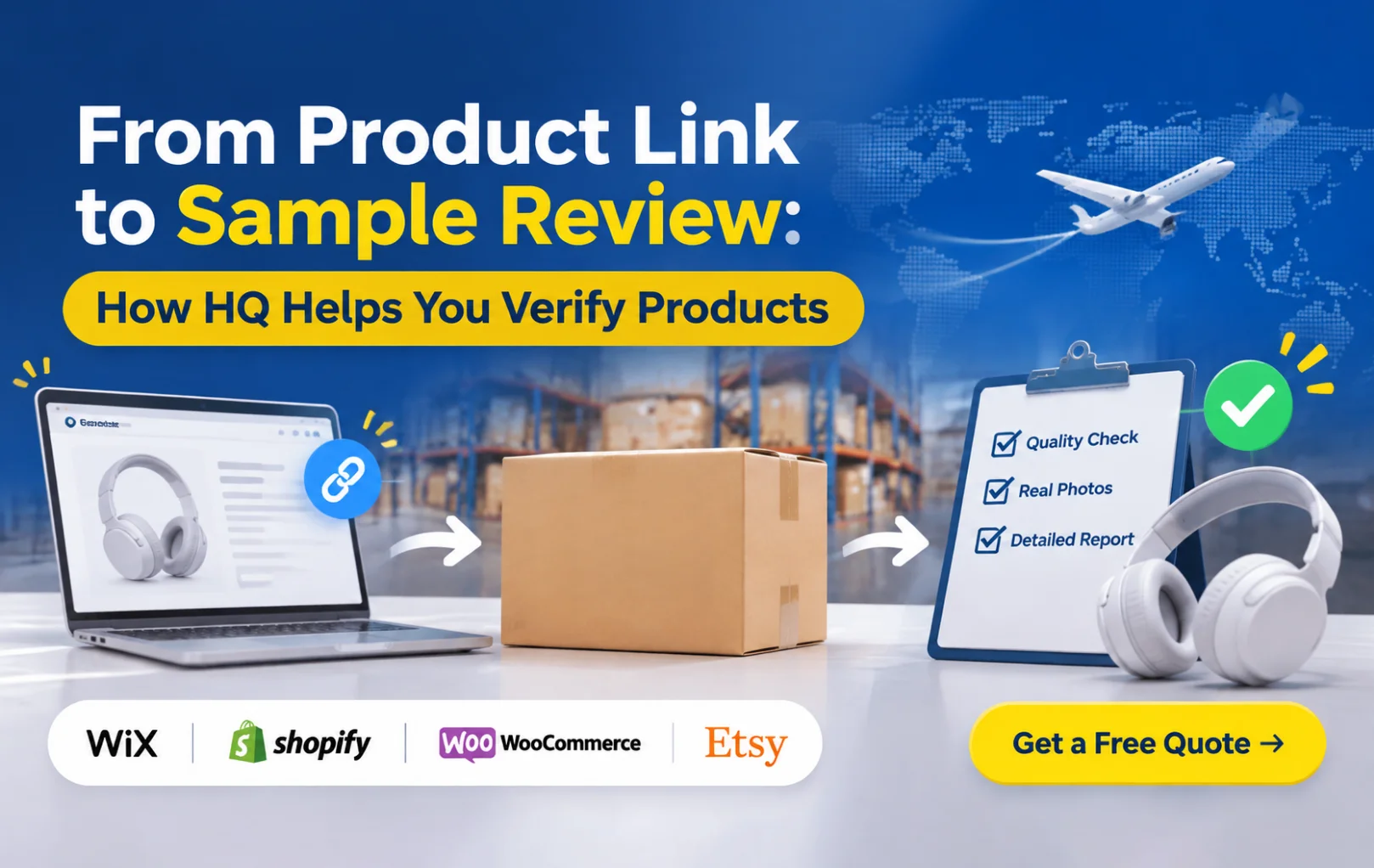
One common sourcing mistake is approving a sample but failing to use it as the reference for bulk production.Before production starts, confirm the approved sample, specifications, packaging, and quality standards.During production, arrange quality inspections to check whether the finished products match the approved requirements.This helps catch problems before they turn into hundreds or thousands of incorrect units.

4. Keep Communication and Changes Organized

Product requirements can change during sourcing. A new material, updated logo, or revised package design may seem like a small adjustment.But if the supplier works from an outdated brief, the final result can be completely different.Keep all confirmed specifications in one document. Record every approved change and share the latest version with your supplier and fulfillment team.This creates a clear reference throughout the supply chain.

5. Work With a Sourcing Partner That Follows Through

Managing multiple suppliers, samples, inspections, and shipments takes time.A reliable sourcing partner can help coordinate supplier communication, purchasing, quality control, packaging, warehousing, and fulfillment.At HQ Logistics, we help ecommerce brands connect sourcing with fulfillment, so product requirements stay clear from supplier selection to warehouse delivery.

Final Thoughts

How to source in China without losing the product brief comes down to clear specifications, supplier confirmation, sample approval, and consistent quality control.Don't treat sourcing as simply finding the lowest price. Treat it as managing the entire process from product idea to customer delivery.When every partner works from the same product brief, you can reduce mistakes, protect product quality, and scale your business with greater confidence.

FAQs

1. Why do products sometimes differ from approved samples?Suppliers may use different materials, components, or production standards during mass production. Clear specifications and inspections help prevent this.2. Should I request samples before bulk production?Yes. Always approve a sample before mass production, especially for customized or branded products.3. How can I avoid supplier communication mistakes?Use one central product brief, confirm changes in writing, and make sure every relevant team has the latest version.4. Can a 3PL help with product sourcing in China?Yes. A sourcing and fulfillment partner can coordinate purchasing, supplier communication, quality checks, warehousing, and shipping.