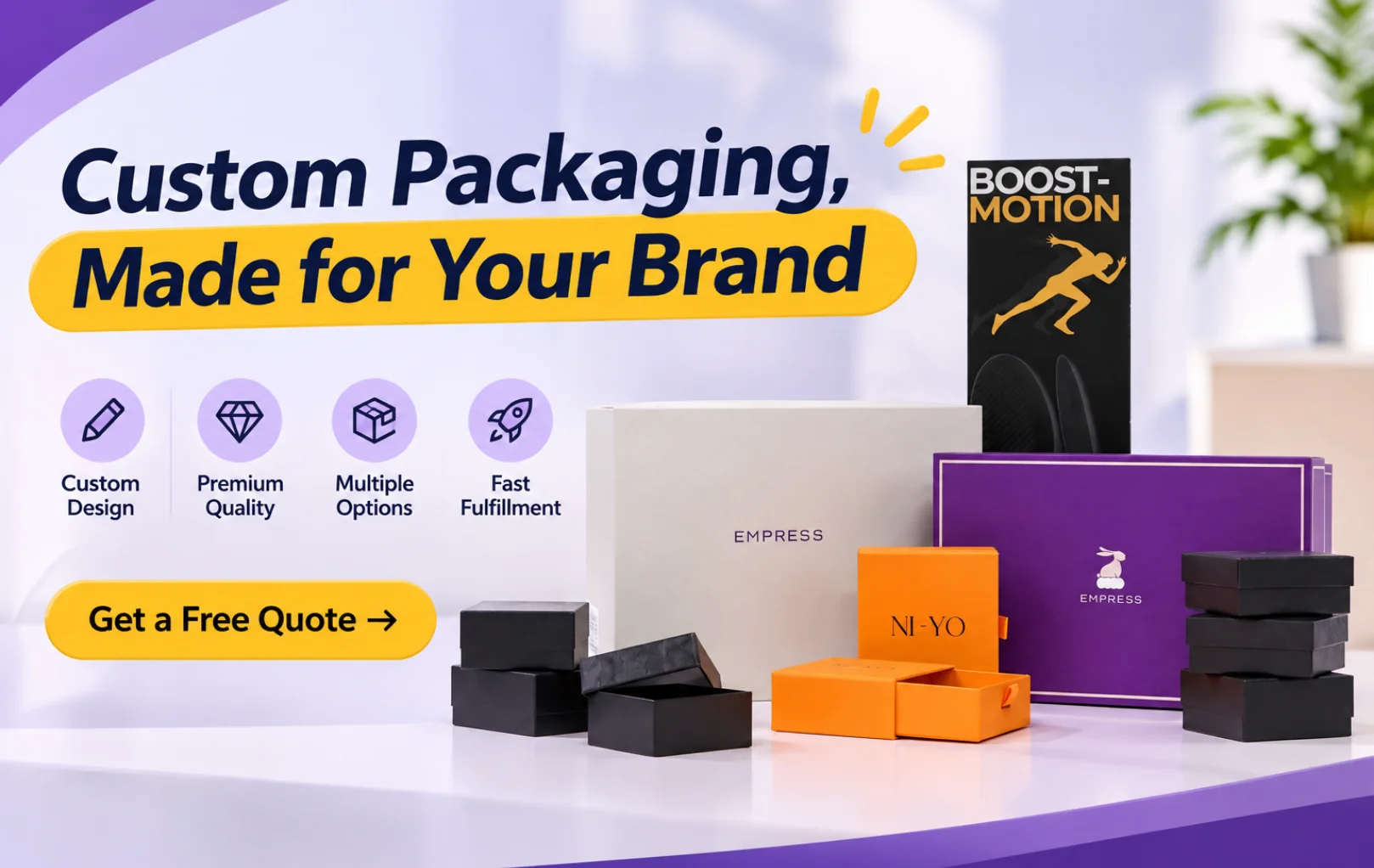
Custom Packaging, Made for Your Brand
Your packaging is more than a box. It is the first physical experience customers have with your brand after placing an order. From a printed logo to a personalized thank-you card, small details can make an ordinary delivery feel more memorable.For ecommerce businesses, custom packaging is also an opportunity to create a consistent brand identity, improve the unboxing experience, and make products stand out in a competitive market.
But how do you create packaging that looks professional, protects your products, and fits your fulfillment process? Let's explore the key elements of custom packaging and how HQ can help bring your ideas to life.
1. Why Does Custom Packaging Matter?
Customers remember more than the product itself. The way an order is presented can influence how they feel about your brand.Here are three reasons to consider custom packaging:
Build Brand Recognition
Using consistent brand colors, logos, and packaging designs helps customers recognize your business. Whether they receive a small accessory or a larger product, a consistent visual identity makes your brand easier to remember.
 | |
|---|---|
| Make Your Products Look More Professional Well-designed packaging gives products a more polished presentation. It can also help your business create a consistent customer experience across different products and sales channels. | 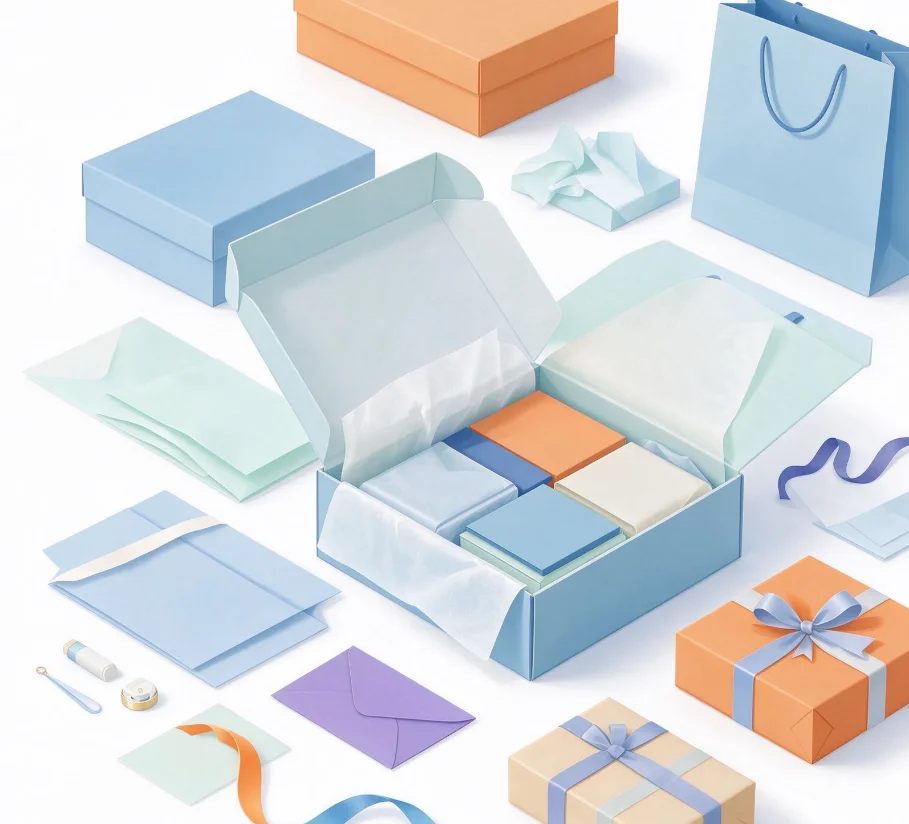 |
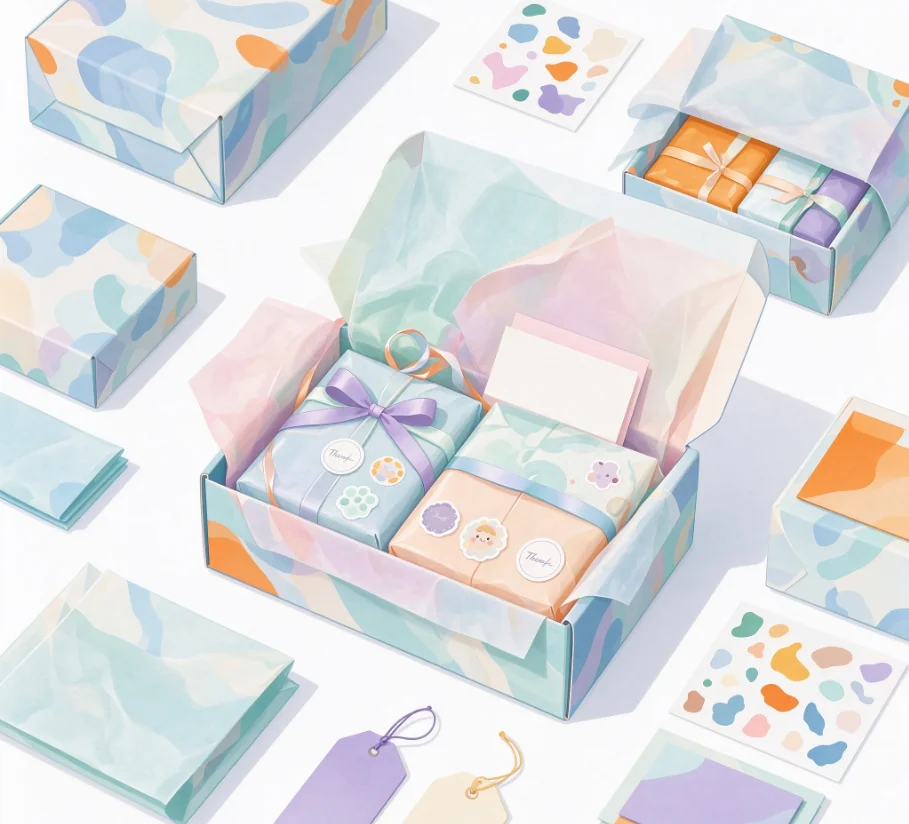 | Create a Better Unboxing Experience Printed boxes, tissue paper, stickers, and thank-you cards add personal touches to every order. These details can encourage customers to share their purchases on social media and help create a stronger connection with your brand. |
2. What Can You Customize?
Custom packaging is not limited to printing a logo on a box. You can combine different packaging elements to create an experience that reflects your brand.Custom Boxes and Cartons
The outer box is often the first thing customers see. You can add your logo, brand colors, and printed designs to create a recognizable appearance.
The box should also match your product's dimensions. A properly sized carton helps reduce unnecessary space and keeps products more stable during transportation.
Inserts, Thank-You Cards, and Stickers
Small details can make a big difference.
Consider adding:
Thank-you cards: Express appreciation and encourage repeat purchases.
Instruction cards: Help customers understand how to use or care for a product.
Brand stickers: Add a simple but recognizable brand element.
Custom tissue paper: Create a more polished unboxing experience.
Product inserts: Include useful information, promotional messages, or brand introductions.
These elements can be prepared and packed together with your orders.
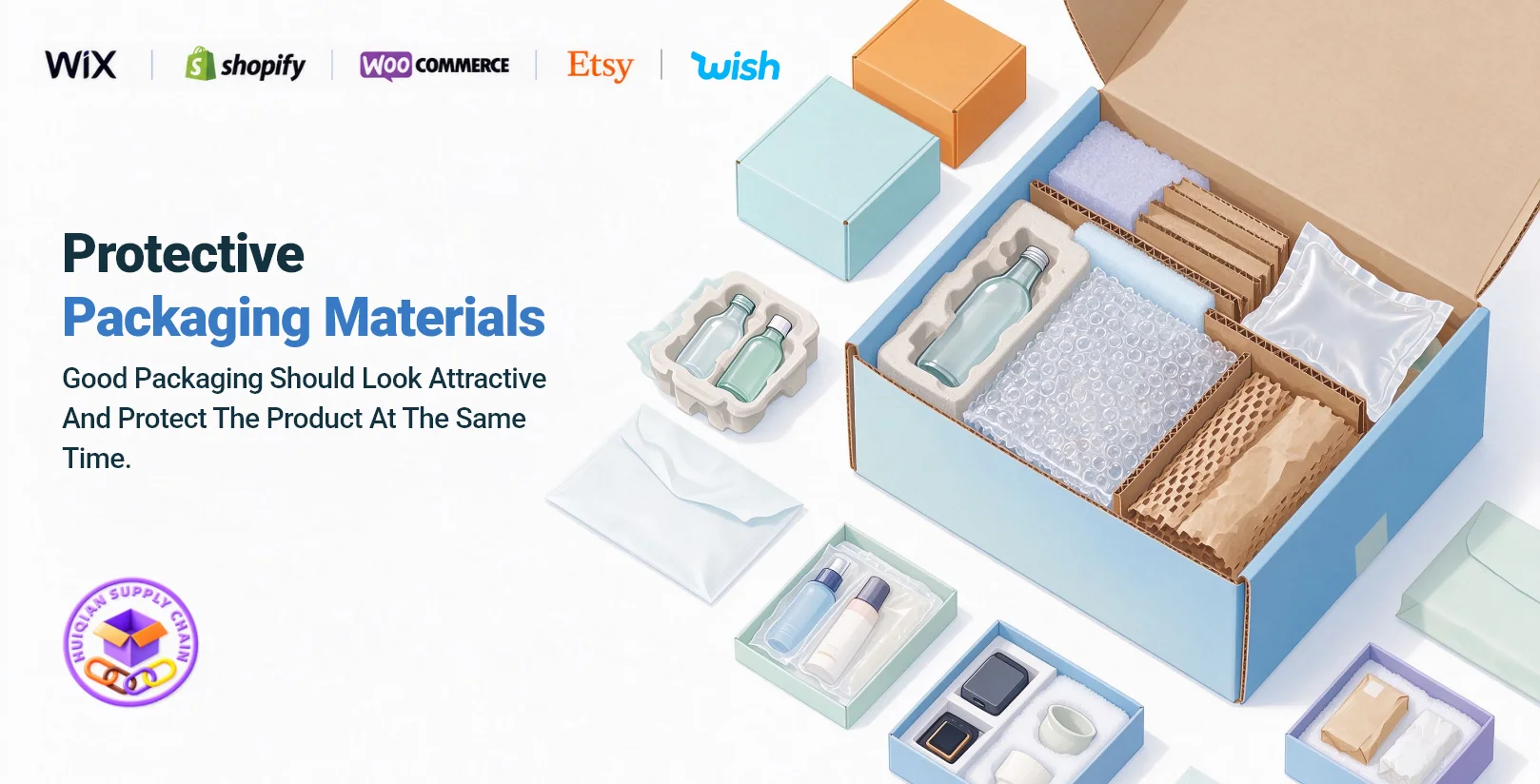
Protective Packaging Materials
Good packaging should look attractive and protect the product at the same time.
Depending on the product, you may need protective inserts, padding, stronger cartons, or other materials to reduce movement and damage during shipping.
The right packaging design should consider the actual shipping journey, not just how the box looks in a product photo.
3. How Does the Custom Packaging Process Work?
Creating branded packaging requires more than sending a logo to a printing supplier. Design details, product dimensions, physical samples, and fulfillment requirements all need to be confirmed.At HQ, the process can be organized into three main steps.
Step 1: Submit Your Artwork and Product Details
Prepare your logo files, brand colors, product dimensions, and packaging requirements.
If you already have a packaging design, share the artwork for quotation. If you are still developing your ideas, discuss the packaging structure and available options with the HQ team.
Step 2: Review and Approve a Sample
Before starting mass production, review a physical test box.
Check important details such as:
Logo position and printing quality.
Color consistency and design accuracy.
Box dimensions and product fit.
Packaging materials and overall appearance.
Protective performance for transportation.
A sample gives you the opportunity to identify problems before committing to a larger production run.
Step 3: Print and Pack with Your Orders
Once the design and sample are approved, the packaging can move into production.
HQ coordinates the printed packaging and warehouse fulfillment process, so boxes, inserts, cards, and stickers can be packed together with your orders.
This reduces unnecessary handoffs between separate packaging and fulfillment providers.
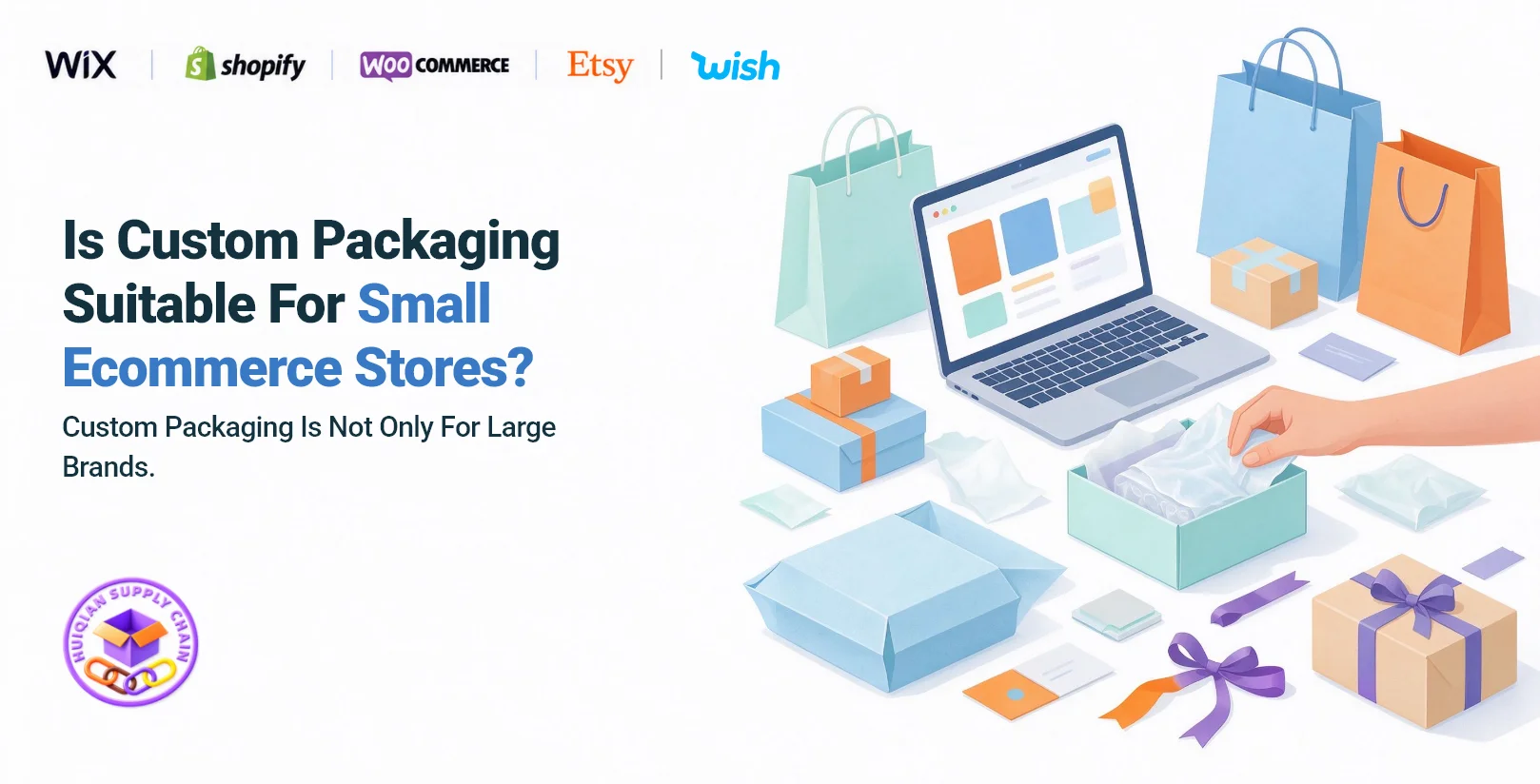
4. Is Custom Packaging Suitable for Small Ecommerce Stores?
Custom packaging is not only for large brands. Small ecommerce stores can also start with simple branded elements and expand their packaging as order volume grows.For example:
Starting stores: Begin with logo stickers, thank-you cards, or branded tissue paper.
Growing stores: Add printed cartons and customized inserts.
Established brands: Develop a complete packaging system with consistent designs across product lines.
Your packaging budget should match your current sales volume and profit margin. You do not need to invest in thousands of printed boxes before knowing whether the design works for your customers.
At HQ, minimum quantities depend on the packaging type. Stickers and tissue paper can start with small runs, while fully printed corrugated boxes may involve printing plate costs. The goal is to choose a practical solution without creating unnecessary packaging inventory.
5. What Should You Check Before Ordering Custom Packaging?
Before moving into production, consider these five points:Brand consistency: Make sure the logo, colors, and visual style match your website and other marketing materials.
Product dimensions: Confirm the packaging fits your product without excessive empty space.
Material selection: Choose materials that balance appearance, durability, and budget.
Shipping protection: Consider how the package will handle handling, sorting, and transportation.
Fulfillment compatibility: Make sure the packaging can be stored, prepared, and packed efficiently with your orders.
Planning these details early can help avoid redesign costs, printing errors, and fulfillment delays.
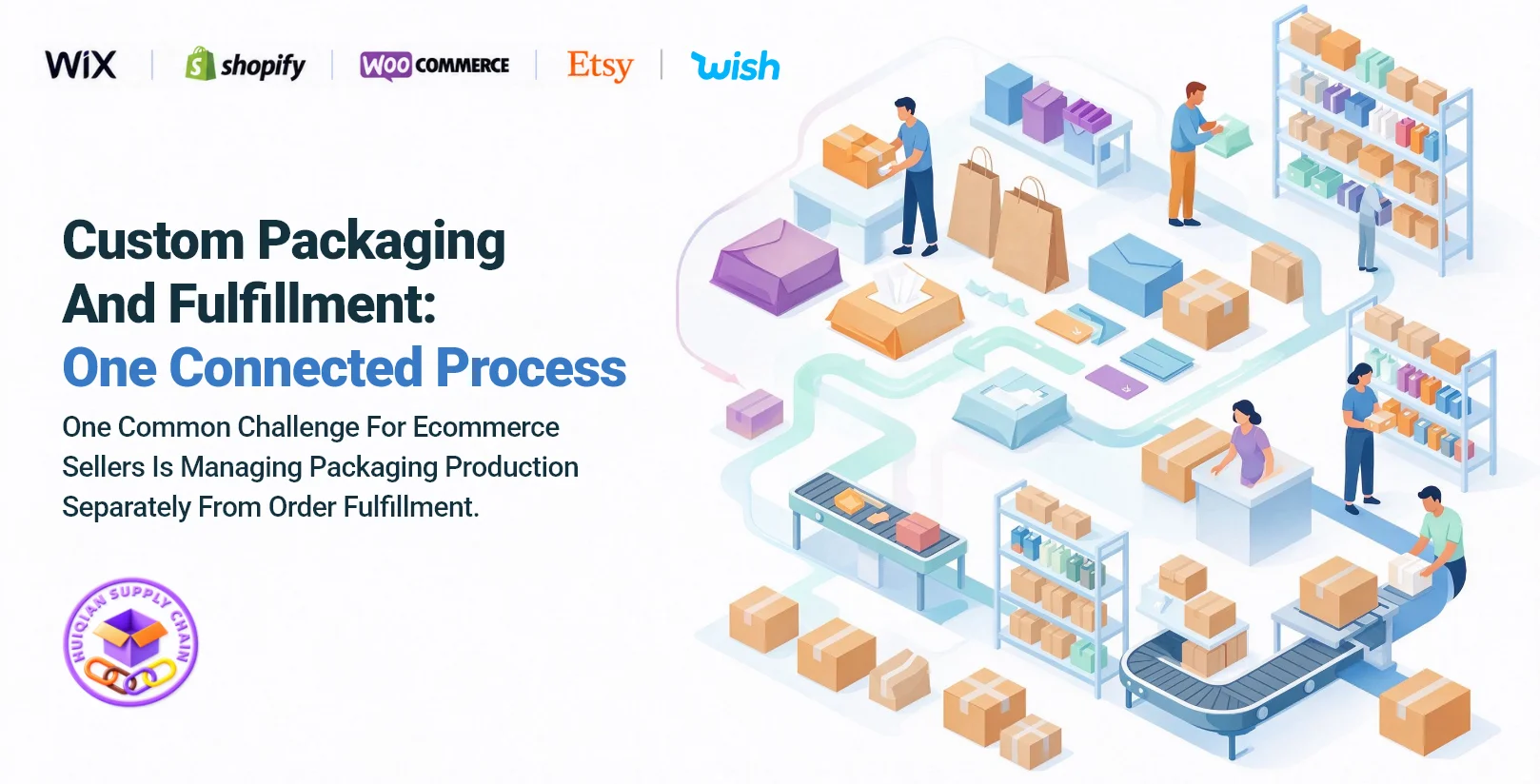
6. Custom Packaging and Fulfillment: One Connected Process
One common challenge for ecommerce sellers is managing packaging production separately from order fulfillment.You may have one supplier printing boxes, another producing thank-you cards, and a warehouse responsible for packing customer orders. Coordinating all these parties can create extra communication and handling work.
HQ connects packaging design and branding with warehousing and fulfillment.
From printed cartons and custom inserts to protective packaging and final pack-out, the process can be coordinated around one approved physical reference. This helps keep packaging details consistent from production to the customer's doorstep.
Whether you are launching a new product or upgrading your existing brand presentation, HQ can help coordinate packaging requirements and fulfillment arrangements.
FAQs
1. What is included in custom packaging services?Custom packaging can include printed boxes, cartons, logo stickers, tissue paper, thank-you cards, instruction cards, inserts, and protective materials. Options depend on your product and requirements.
2. Is there a minimum order quantity for custom packaging?
It depends on the packaging type. Stickers and tissue paper may be available in small runs, while fully printed boxes can involve additional setup or printing plate costs. Confirm the specific requirements before production.
3. How long does custom packaging take?
A sample box can typically be prepared in about three days after the artwork is finalized. Full production depends on the packaging type and quantity. HQ's website also indicates an estimated eight-day timeline from approved artwork to packed shipments for its stated workflow. Confirm the actual schedule for your project.
4. Can I check a sample before mass production?
Yes. HQ provides a physical test-box stage so you can review the printing, dimensions, fit, and overall appearance before approving the full production run.
5. Can custom packaging be packed directly with customer orders?
Yes. Custom boxes, inserts, cards, and stickers can be coordinated with the warehouse fulfillment process and packed together with customer orders.
Final Thoughts
Custom packaging helps turn an ordinary delivery into a more recognizable brand experience. From printed boxes and thank-you cards to protective materials, every detail should reflect your brand while keeping products safe during shipping.You do not need an overly complicated design to make an impression. Start with the packaging elements that matter most to your customers, then improve your packaging as your business grows.
Ready to create packaging that reflects your brand? Explore HQ Custom Packaging Design and discover how HQ can connect packaging, branding, and fulfillment for your ecommerce business.