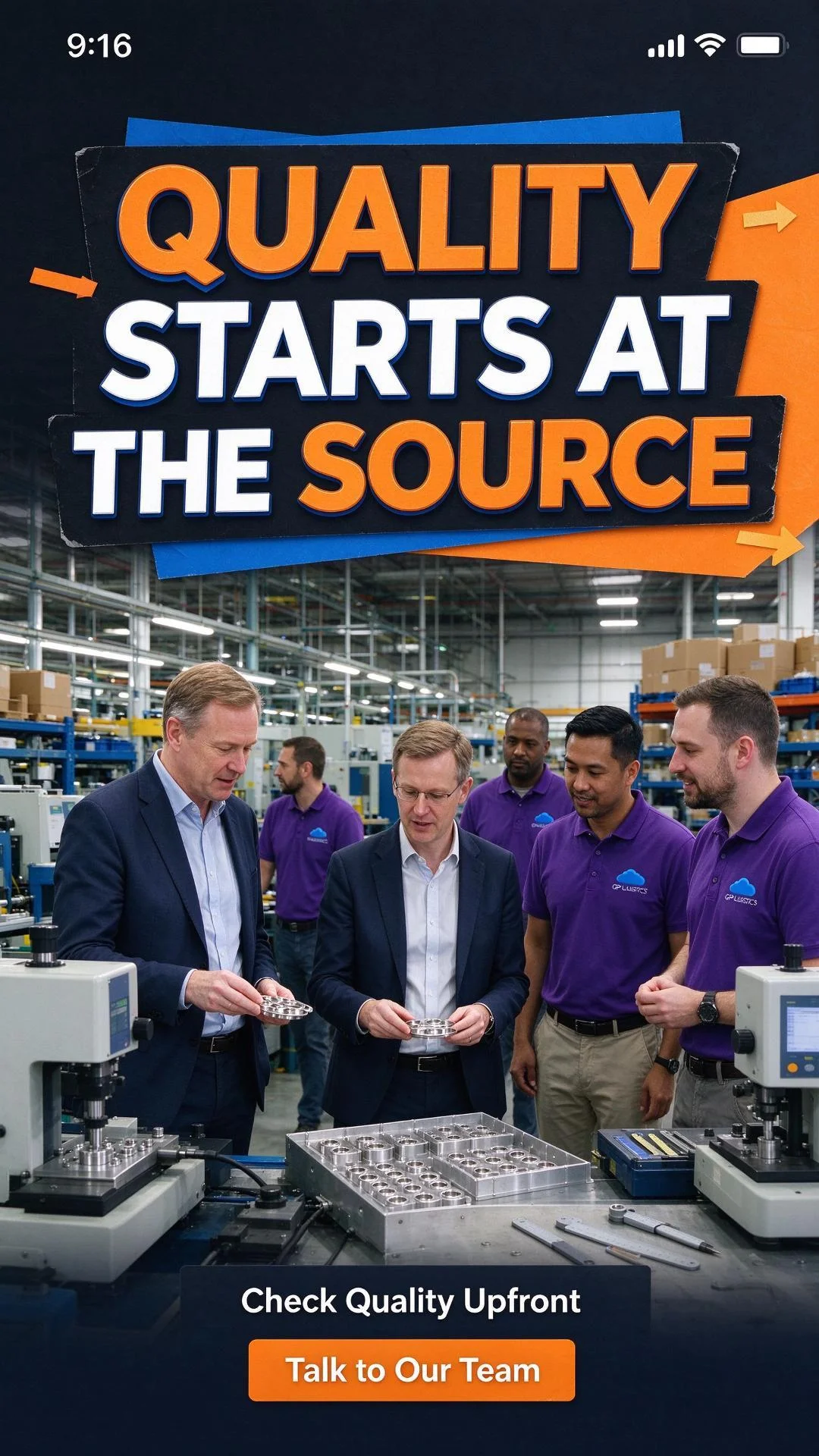
When a client visits a factory with us, it’s not just about showing them where their products are made. It’s also an opportunity for us to evaluate the supplier from the inside.
For many overseas e-commerce sellers, visiting a factory in China isn’t always practical. Distance, time, language, and logistics can make it difficult to inspect a potential supplier in person.
That’s where HQ comes in.
Recently, we visited a factory together with our client to take a closer look at the production process and discuss the products in more detail.
But this wasn't simply a factory tour.
The client was evaluating the factory — and we were evaluating it too.
Looking Beyond the Product
A product can look great in a catalog or sample.
But before recommending a supplier for long-term cooperation, there are more questions to answer.
Can the factory handle the expected order volume?
Is the production process organized?
Are the working and production areas properly managed?
Can the factory maintain consistent product quality?
And if the product needs customization, can the supplier actually meet those requirements?
These are the details that can make a significant difference once a product starts receiving real orders.
Evaluating Production Capacity
One of the first things we look at is the factory’s production capability.
During the visit, we observed parts of the production line and looked at how the products move through the manufacturing process.
Production capacity isn't simply about how many products a factory can make.
We also consider whether the supplier has the resources, equipment, workers, and processes needed to maintain stable production as order volume grows.
For an e-commerce brand, this matters especially during peak seasons or when a product suddenly starts gaining traction.
A supplier that works well for small test orders may not necessarily be the right supplier for large-scale fulfillment.
Checking Product Quality at the Source
Product quality is another important part of the evaluation.
Instead of only looking at a finished sample, we pay attention to the details behind it — including materials, workmanship, product structure, packaging, and overall consistency.
When possible, we also discuss specific product requirements directly with the factory.
This gives us a clearer understanding of what the supplier can actually deliver and where improvements or adjustments may be possible.
For us, sourcing isn't simply about finding a product at the right price.
It's about finding a supplier that can consistently deliver the right product.
Looking at the Production Environment
The factory environment can also tell us a lot about how a supplier operates.
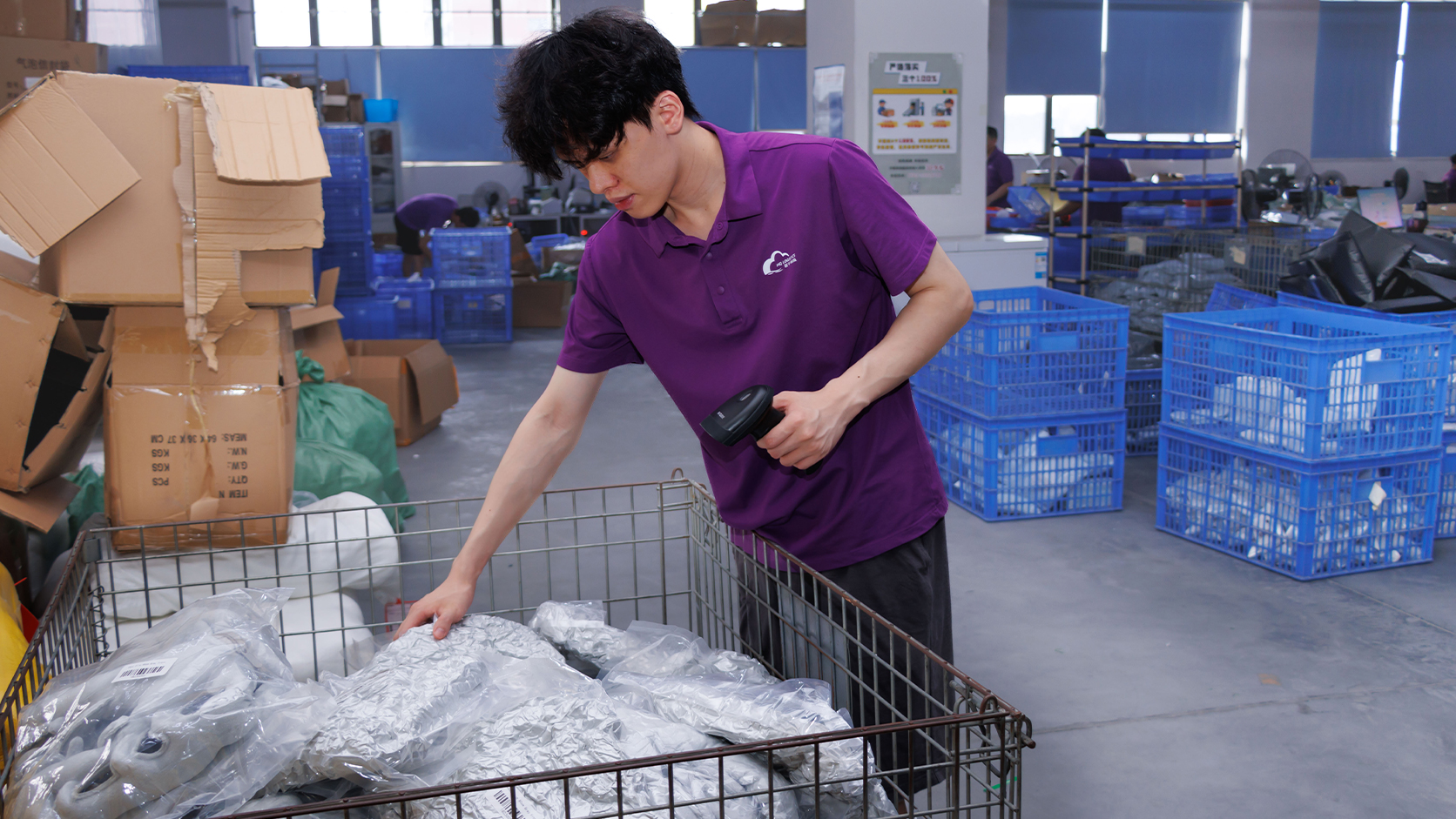
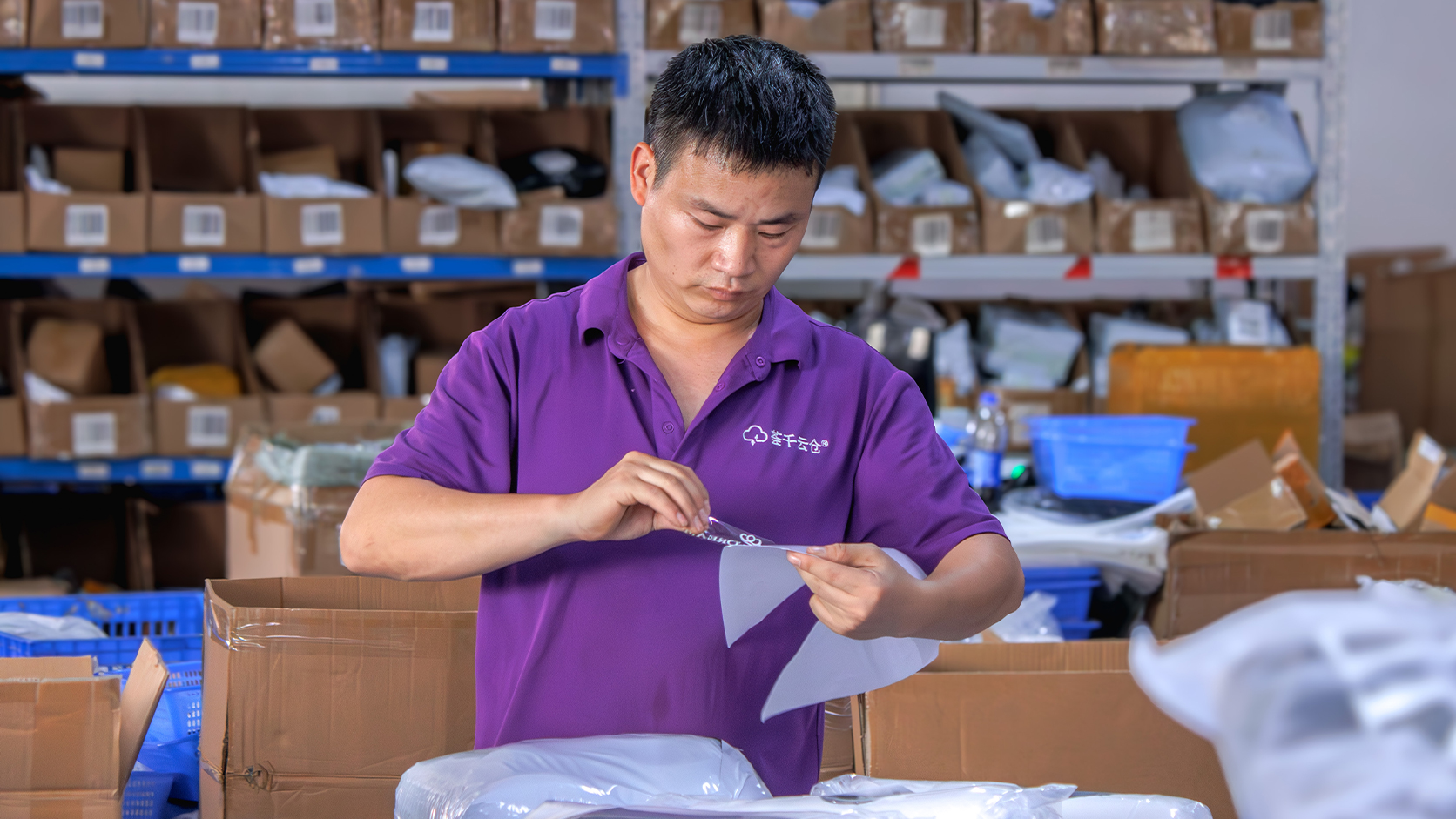
During a visit, we observe the production areas, workflow, equipment, storage, and general working environment.
These details may not appear in an online supplier profile, but they can help us better understand the supplier's actual operations.
Seeing the factory in person gives both the client and our team a more complete picture before making important sourcing decisions.
More Than a Factory Visit
For our client, the visit provided an opportunity to see the production process firsthand, ask questions, and better understand where the products come from.
For HQ, it was also part of our supplier evaluation process.
We were looking at the same factory from a different perspective:
Can this supplier meet our client's requirements?
Can they maintain quality?
Can they handle future order growth?
Can they support the level of customization the brand may need?
That's why we see factory visits as more than just tours.
They are part of the sourcing process.
From Factory Evaluation to Better Sourcing Decisions
A successful product isn't built around a product idea alone.
Behind it are suppliers, production capabilities, quality standards, communication, packaging, and fulfillment.
By visiting factories together with our clients, we can communicate requirements directly, identify potential issues earlier, and make more informed sourcing decisions.
The goal isn't simply to find a factory.
It's to find the right supplier for the business.
And sometimes, the best way to understand that is to see the production line for yourself.