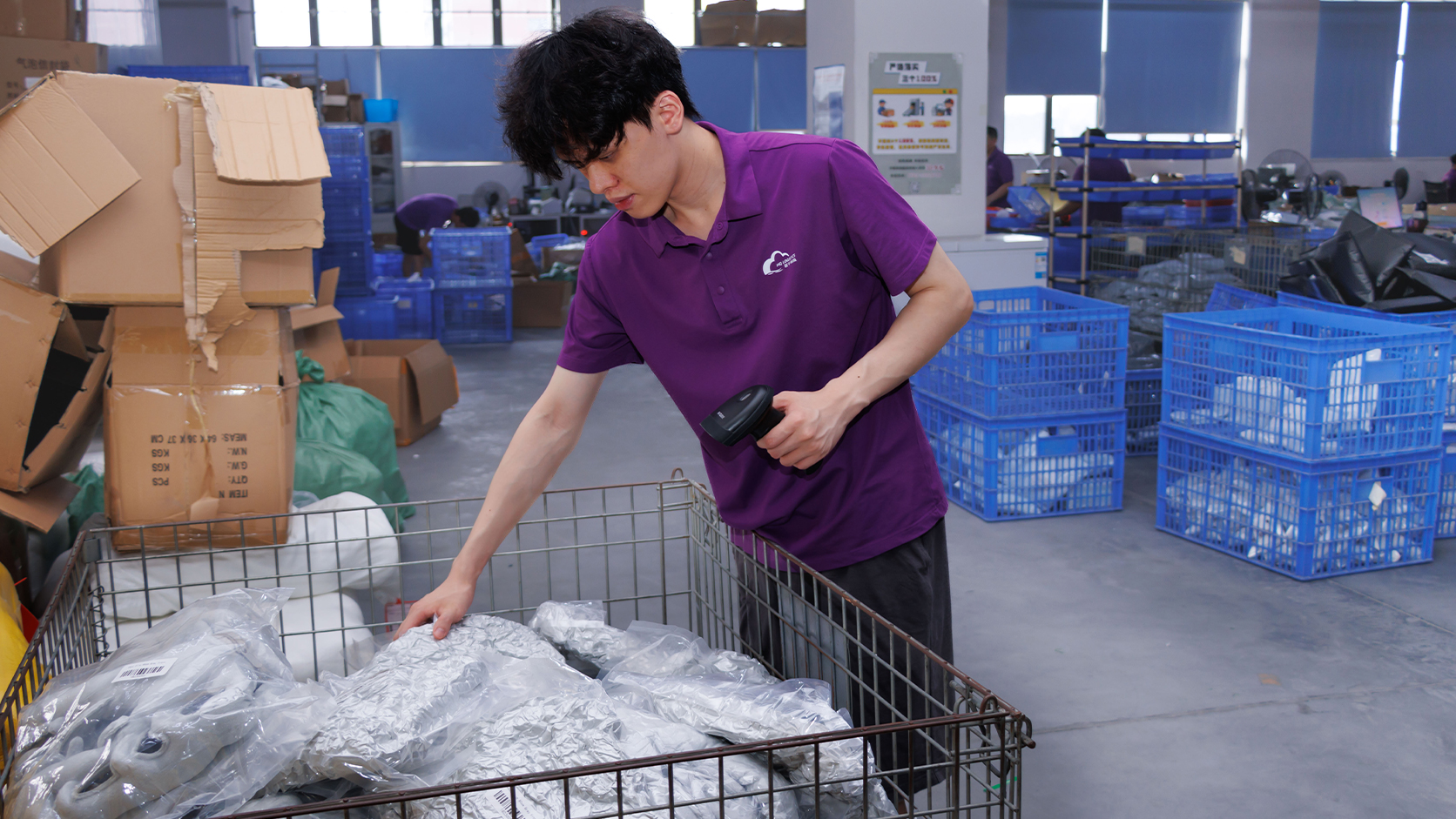
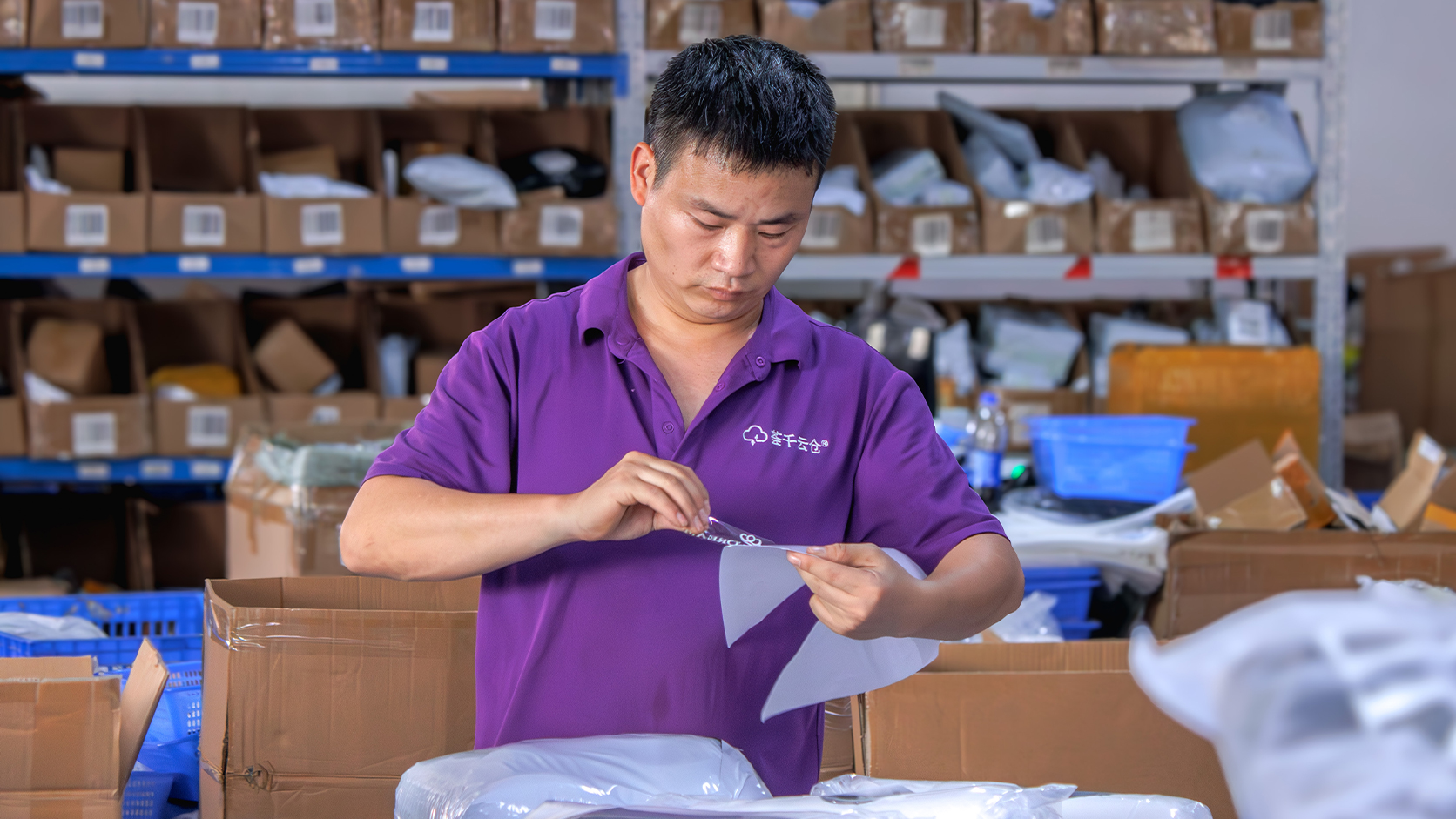
Illustrative operating scenario.
A maker ships finished goods for a small brand. As online orders grow, the maker wants a warehouse to take over receiving, packing and dispatch. The maker will remain the brand's point of contact for product changes and order exceptions. The new warehouse needs reliable instructions from the first delivery.
Send a receiving brief with the goods
Give the warehouse a list of the expected cartons, SKU and variant codes, quantities, lot references where applicable and any handling instructions. Include a photo of the product label and a description of what an accepted unit looks like. Confirm whether the goods arrive ready to pick or still need bundling or relabelling.
The team can rehearse the handoff with a simple discrepancy. A carton label shows one finish, while the physical units are a different finish. Hold the affected carton. Record the observed units and the expected units separately, then ask the maker how to identify or replace them. Release the verified cartons according to the agreed receiving rules.
Agree who can make each decision
| Task | Who acts |
|---|---|
| Approve a product substitution or artwork change | Maker and brand under their agreed approval process |
| Confirm warehouse counts and dispatches | Warehouse |
| Resolve a shortage or hold on affected orders | Maker coordinates the answer and gives the warehouse instructions |
| Update a customer about a delayed order | The brand or its designated support owner |
| Inspect a return and decide its next stock state | Warehouse reports the condition. The agreed owner approves the disposition. |
Restrict customer and shipment data to the people who need it for their role. Give the warehouse a route for urgent decisions, an agreed response window and a named backup contact. Record any changed instruction on the order or receiving record, where the next shift can find it.
Run one order and one return
Before transferring a large batch, receive a small quantity and place a test order. Check that the warehouse picks the right variant, uses the correct packaging and returns a tracking number against the original order. Then follow one test return back to stock or to a hold area. The warehouse should identify who can release a held unit after inspection.
The maker can review those records with the brand at the end of the trial. If the units reconcile and the warehouse can handle a held order using the agreed contacts, both sides have a practical basis for the next batch. See HQ's warehousing and order fulfillment pages for the operational scope to agree.