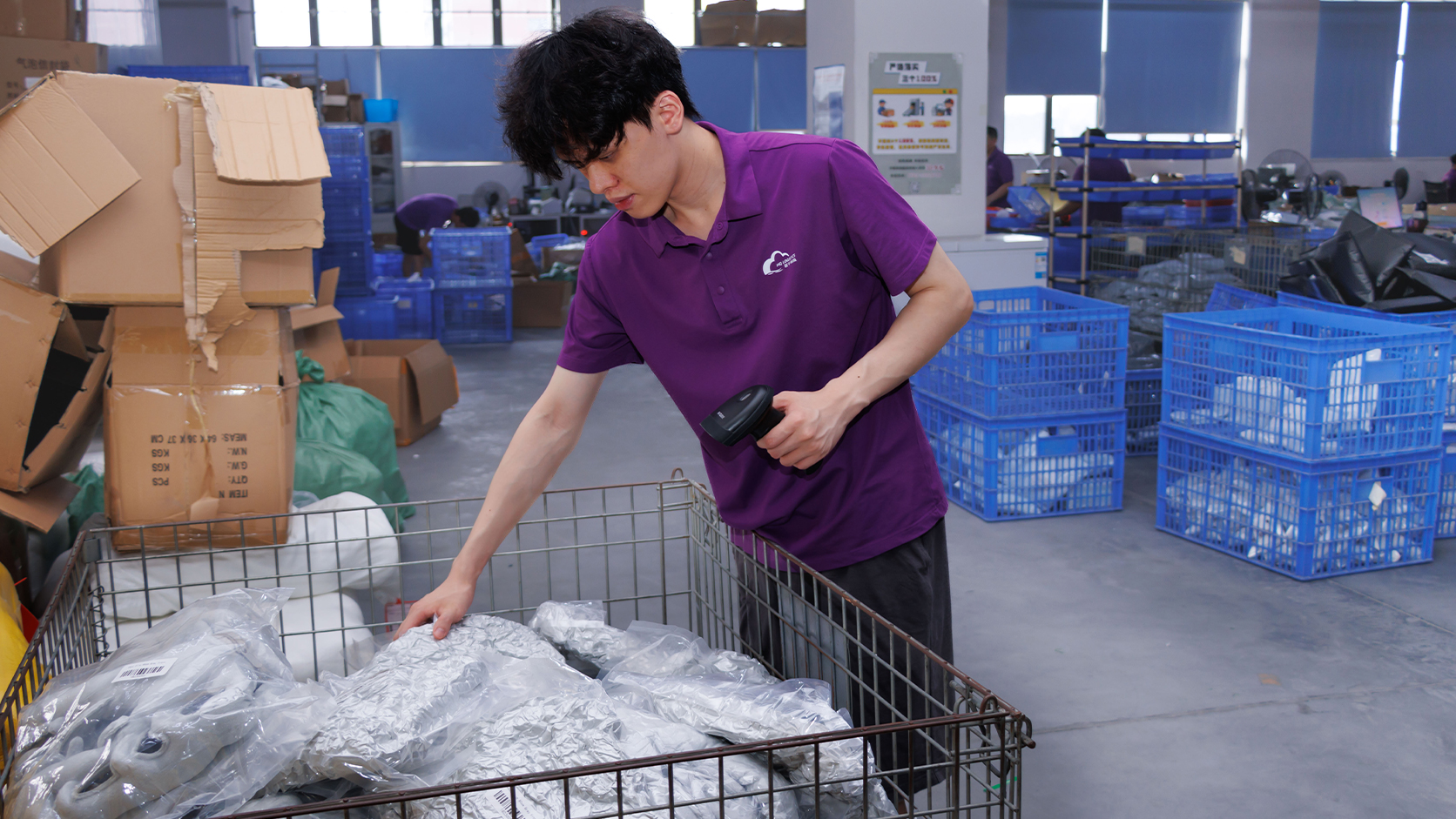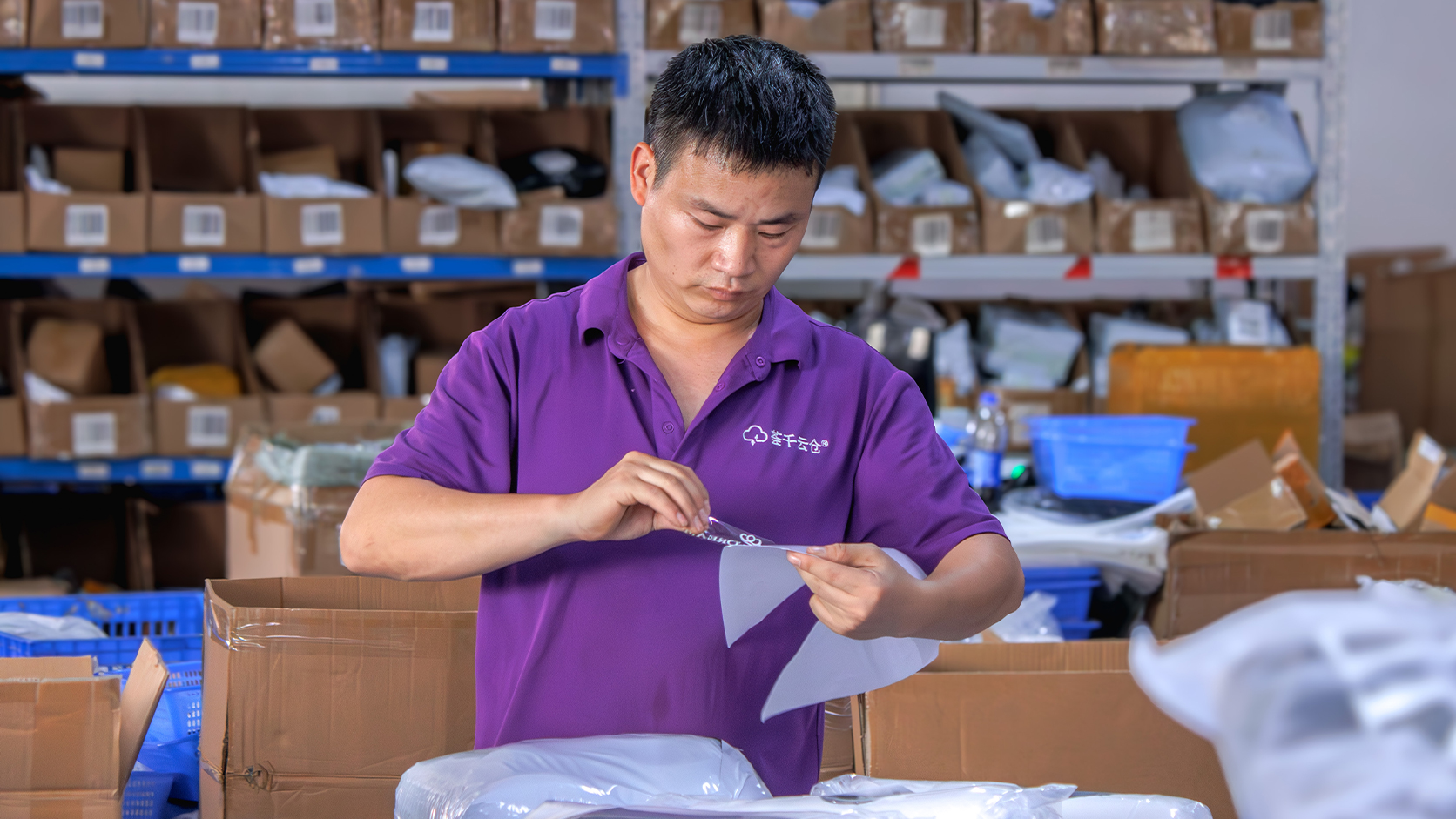

Illustrative operating scenario.
A new brand has finished its product brief and is preparing a first online launch. The team knows what the product should look like and where it plans to sell. It still needs to decide which supplier can make it, which defects would stop a shipment and what the warehouse should do when the first order comes in.
Turn the brief into decisions a team can verify
Give the brief a version and attach the product drawings, finishes, variants, packaging requirements, labels and intended markets. Mark which requirements must be satisfied to start production. If the outer carton or insert affects the customer's first experience, include them in the sample request.
Compare suppliers using the same brief. Record what the samples prove, what still needs checking and what the quote assumes about materials, quantity, lead time or packaging. Put the final approved sample and any accepted differences in the purchase record. This gives the buyer, supplier and sourcing team a reference when a detail changes.
Decide who releases the finished goods
Before production ships, set an agreed inspection scope. Choose the measurements, functional checks, artwork checks and packaging checks the result must cover. Agree which defects trigger a hold and who can approve a correction or re-inspection.
For example, the product itself may pass inspection while the carton barcode points to the wrong option. Hold the affected units, keep the correct and affected lots identifiable, and record the relabelling check before release. Give the warehouse the approved SKU and barcode map along with the expected carton and unit counts. The HQ quality control team can use the brief and approved sample to agree the inspection scope.
Follow a trial order back to the brief
- Receive the released units and confirm the warehouse can scan each sellable variant.
- Place an order with the least obvious variant or pack combination. Check the product, customer-facing packaging and shipping label against the approved instructions.
- Follow tracking from dispatch through delivery. Practice logging a delivery exception and assigning the next customer update.
- Test the return of one unit. Agree when it goes back into sellable stock and when it needs inspection.
At the end of the trial, keep the final product specification, inspection decision, receiving count and first dispatch record together. Those records let the team resolve a question about a live order without reconnecting every team from scratch. Review the order fulfillment handoff before widening the launch.