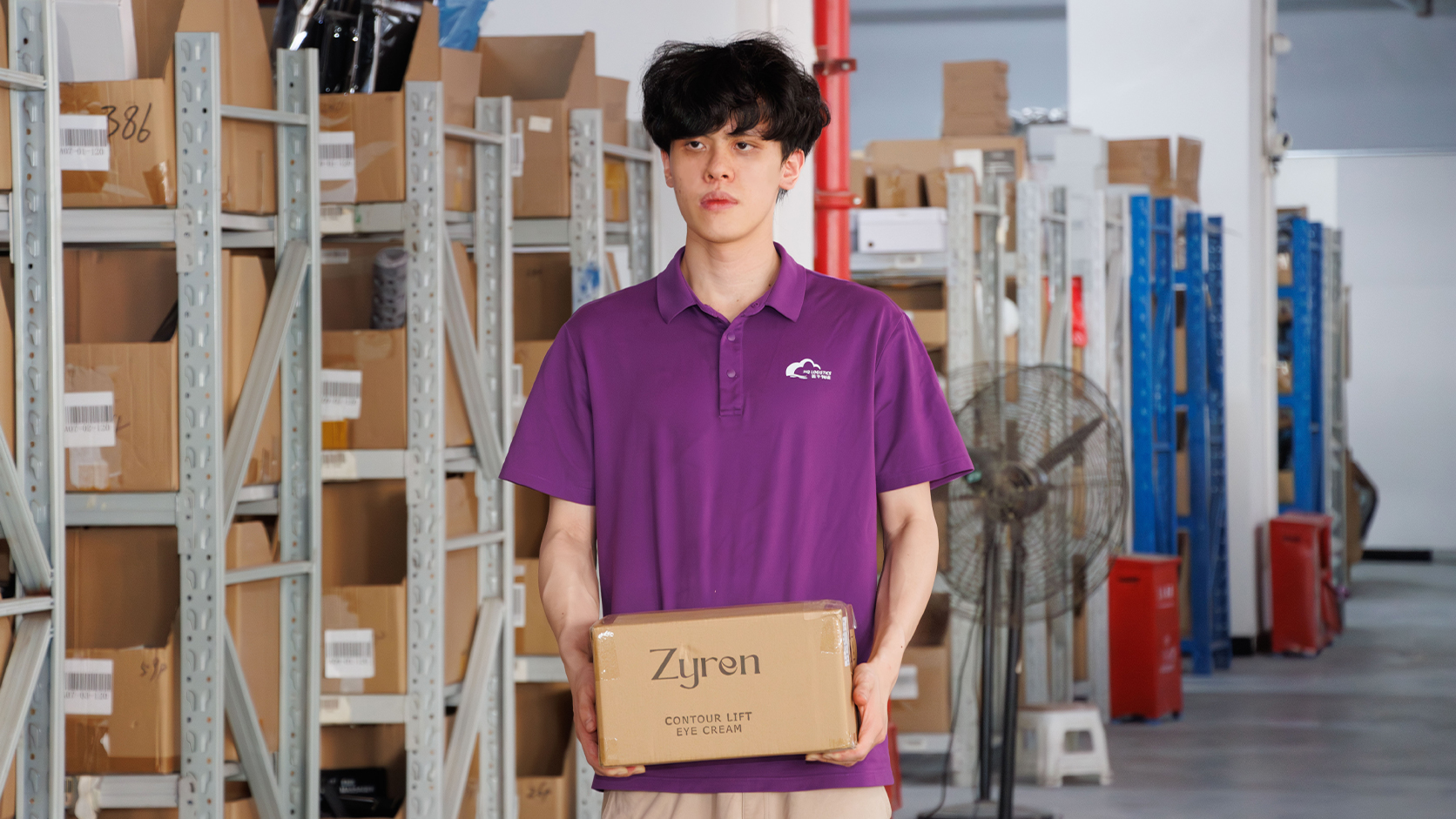
Illustrative operating scenario.
A seller makes two products at the same factory in China. One sells steadily in a particular market. Demand for the other comes in waves and is harder to predict. The seller is considering sending part of the first product to a regional warehouse while keeping the rest near the factory. The question is which orders each location can realistically serve.
Compare two ways to reach the same buyer
Compare the same SKU and destination in both cost models. For an origin shipment, include picking, international parcel freight and any applicable import and delivery charges. For regional stock, include the bulk transfer, receiving, storage, local picking, final delivery and the cost of handling returns. Ask the carrier or broker to confirm who is responsible for clearing the relevant route and which charges the quote covers. That comparison is more useful than comparing two freight rates alone.
Set the delivery promise from a ship-ready order to the destination the customer entered. A carrier transit estimate covers the service quoted by the carrier. Warehouse processing, receiving delays and clearance may also affect the date shown at checkout.
Keep stock in transit visible
The seller transfers a small batch of the steady SKU. The batch has an expected receipt date and a separate date when the warehouse expects to release it for orders. An unexpected receiving discrepancy can move the second date even if the vehicle arrives on time.
| Where the stock is | What the seller can do |
|---|---|
| Available at origin | Offer an origin shipping service where the seller can meet the promise |
| In transit to the market | Plan replenishment against the expected receipt and release dates |
| Released at the regional warehouse | Route eligible orders there and track the remaining sellable units |
| Held or damaged | Assign someone to count or inspect the units and decide their disposition |
Keep the uncertain SKU at origin for the initial trial. That preserves the option to serve more than one destination while the seller learns where demand is repeatable.
Make replenishment a weekly decision
Review the local units available, the units already committed and the expected replenishment window. The seller can start a transfer before the local stock falls below what is likely to sell during that window. If a delay makes the current shipping promise unrealistic, agree in advance whether to offer a clearly labelled origin service, limit the destination, or pause the offer for that SKU.
Set order routing after the warehouses and stock rules are agreed. Platforms such as Shopify support rules for competing fulfillment locations. Test the checkout promise for a local order, an origin order and an order with two SKUs before expanding the trial. HQ's warehousing and shipping teams can use those sample orders to discuss the route and handoffs.