How to Prepare Your Dropshipping Business for Peak Season
Peak season can bring more traffic, more orders, and more opportunities for your dropshipping business. But it can also put extra pressure on inventory management, order fulfillment, and shipping operations.
During major shopping periods such as Black Friday, Cyber Monday, and Christmas, shipping delays and stock shortages can quickly affect customer satisfaction.
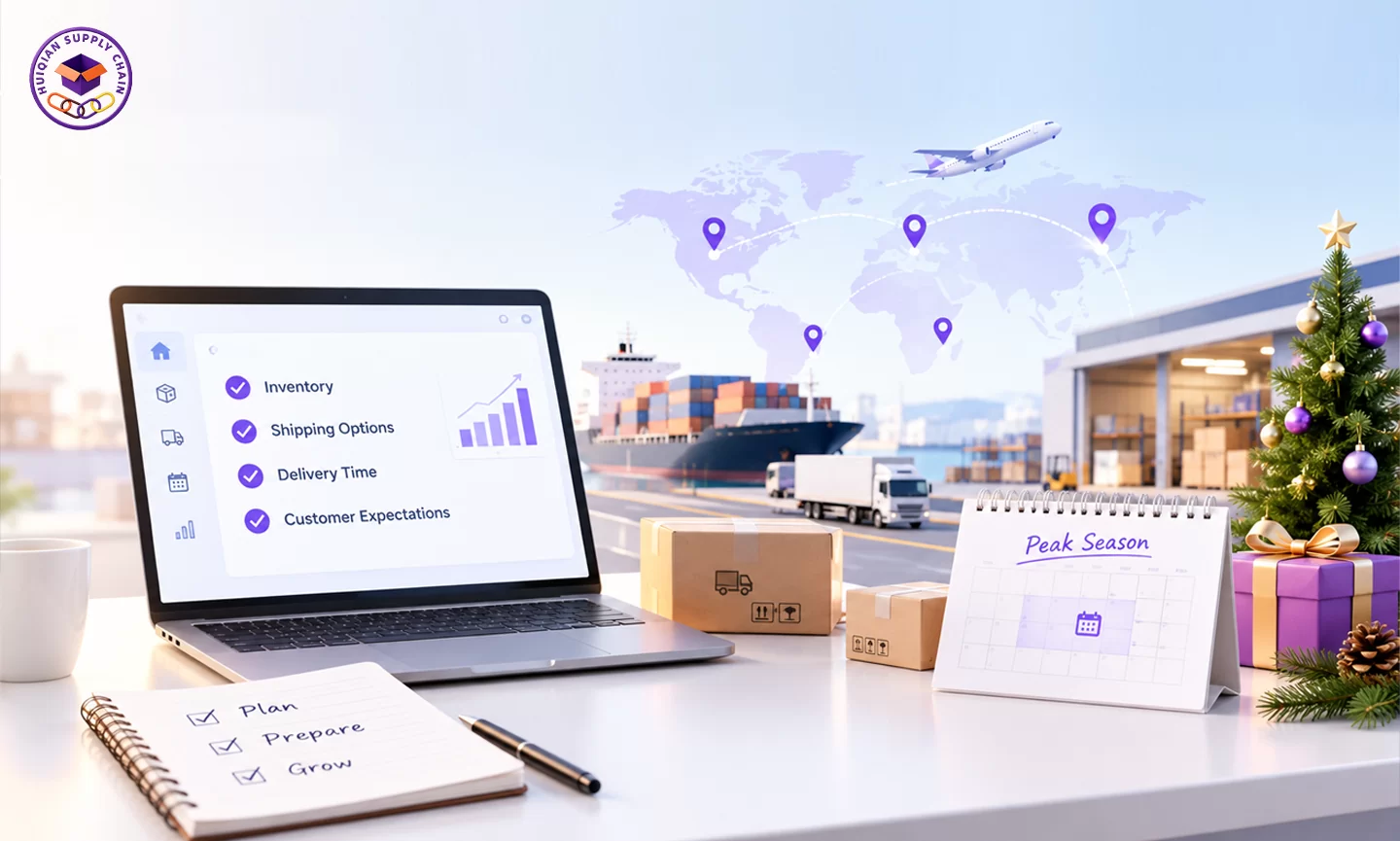
The best way to avoid unnecessary problems is to prepare before orders start piling up. Here are four practical shipping tips to help your dropshipping business stay organized during peak season.
1. Check Inventory Before Demand Increases
Running out of stock during a sales campaign can mean missed orders and disappointed customers. Before peak season begins, review your current inventory and identify products that may experience higher demand.Pay attention to your best-selling products, recent sales trends, and supplier lead times. If you work with multiple suppliers, confirm their stock availability and production schedules in advance.
It is also important to maintain accurate inventory information across your sales channels. For Shopify sellers, keeping product availability synchronized can help reduce overselling and prevent unnecessary order cancellations.
Tip: Identify your priority products early and establish a clear restocking plan with your suppliers.
2. Review Shipping Options for Each Market
Different markets have different delivery requirements, costs, and customs procedures. A shipping method that works well for US customers may not be the best option for customers in Europe or Australia.Before the busy season starts, review your available shipping channels based on:
Delivery speed: Can the shipping method meet your expected delivery window?
Shipping costs: Does the rate leave enough room for your profit margin?
Destination coverage: Can you deliver reliably to your main customer markets?
Customs and duties: Are the applicable import requirements and charges clear?
Tracking availability: Can customers follow their orders throughout delivery?
Having suitable alternatives can also help you respond when a particular shipping channel experiences delays or capacity limitations.
If you sell internationally, working with a reliable dropshipping fulfillment partner can simplify shipping coordination and help you compare options across different destinations.
3. Allow Extra Time for Shipping Delays
Peak-season logistics can be affected by higher parcel volumes, warehouse backlogs, customs inspections, and weather conditions. Even when your fulfillment process runs smoothly, delays may occur after a parcel leaves the warehouse.Avoid planning your delivery promises around the fastest possible shipping estimate. Instead, review historical delivery performance and allow a reasonable buffer for busy periods.
You should also communicate order processing times and estimated delivery windows clearly on your website. If a delay occurs, provide updates promptly rather than waiting for customers to contact your support team.
For seasonal products and holiday gifts, this is especially important. Customers often purchase with a specific date in mind, so realistic delivery expectations can help reduce complaints and improve the shopping experience.
4. Set Clear Delivery Expectations
Fast shipping matters, but clear communication matters too.Before customers place an order, make sure they understand your estimated processing time, shipping window, and any relevant delivery limitations. Avoid promising guaranteed arrival dates unless your shipping arrangements support that commitment.
You can also prepare a simple peak-season communication plan that includes order confirmation messages, tracking updates, and responses to common shipping questions.
For growing dropshipping stores, this preparation helps customer support teams manage inquiries more efficiently while maintaining a consistent customer experience.
5. Make Fulfillment Part of Your Growth Plan
As order volumes increase, shipping is no longer just the final step of the sales process. It becomes an important part of your overall business operations.Product sourcing, quality control, inventory management, packaging, and order processing all affect how efficiently orders reach customers.
HQ Dropshipping supports online sellers with product sourcing, warehousing, order fulfillment, and custom packaging services. By coordinating these operations with a suitable shipping strategy, sellers can better prepare for seasonal demand and focus on growing their businesses.
The key is to review your fulfillment setup before peak season begins, rather than waiting until delays and backlogs become difficult to manage.
Final Thoughts
Peak season creates valuable opportunities for dropshipping businesses, but successful sales depend on more than good products and effective marketing.
Check inventory early, review shipping options for each market, allow extra time for potential delays, and communicate delivery expectations clearly. A little preparation can help you avoid preventable problems and provide a more reliable customer experience when order volumes rise.
Plan your logistics today, so your business is better prepared for tomorrow's orders.
Frequently Asked Questions