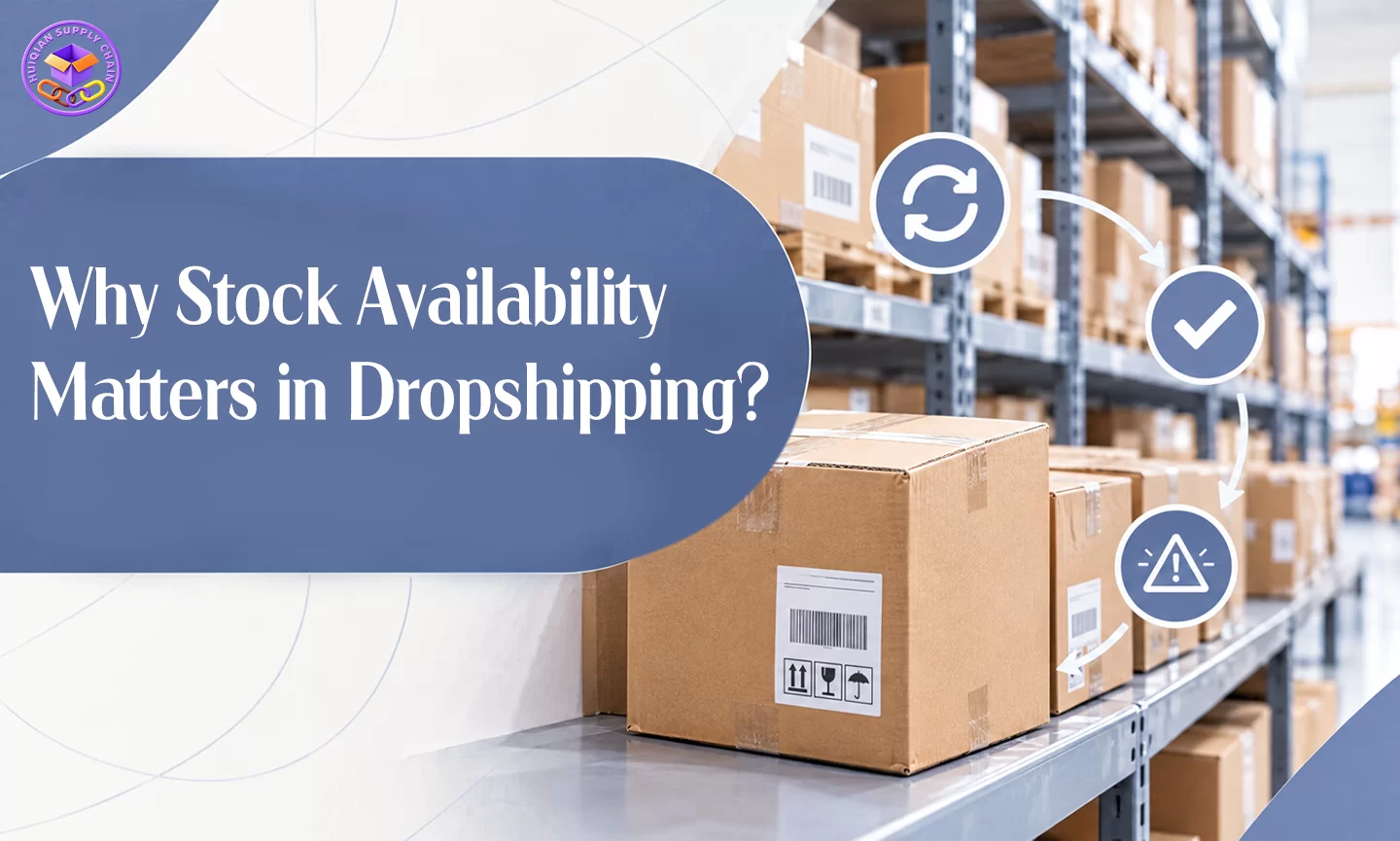
Why Stock Availability Matters in Dropshipping
Imagine receiving dozens of customer orders, only to discover that your supplier has run out of stock. Orders are delayed, customers start asking questions, and you may even have to issue refunds.
For dropshipping businesses, stock availability is more than a supplier detail. It directly affects order fulfillment, customer satisfaction, and long-term business growth.
Before choosing a dropshipping supplier, it is important to understand how they manage inventory, replenish popular products, and communicate stock changes. Here is what every seller should check before building a reliable supplier partnership.
1. Ask How Often Inventory Is Updated
Inventory changes quickly, especially when a product becomes popular. If your supplier updates stock information manually or only once every few days, the inventory shown in your online store may not reflect what is actually available.
This can lead to overselling, unexpected delays, and canceled orders.
Before working with a supplier, ask whether inventory information is updated in real time, at regular intervals, or manually. You should also understand how stock information is shared with your selling platform.
For Shopify sellers, inventory synchronization is particularly important when managing multiple products or sales channels. Accurate stock data helps you make better decisions about which products to promote and when to pause sales.
2. Check Whether Popular Products Are Restocked Regularly
A product that sells well today may become difficult to source tomorrow if your supplier cannot replenish it consistently.
Ask your supplier about their restocking process, typical replenishment lead times, and how they handle products with unpredictable demand.
Consider these questions:
How long does it usually take to restock popular products?
Do you have backup suppliers for high-demand items?
Can you provide advance notice of potential shortages?
Are there seasonal products that may become harder to source?
These details are especially important before major shopping events such as Black Friday, Cyber Monday, and Christmas.
Planning ahead gives you more time to adjust purchasing plans, explore alternative products, or modify your marketing campaigns before a stock shortage affects customers.
3. Make Sure Suppliers Communicate Stock Changes
Even well-managed suppliers can experience unexpected shortages. The difference often comes down to how quickly they communicate problems.
A reliable supplier should have a clear process for notifying you when a product is running low, temporarily unavailable, or discontinued.
Early notifications allow you to pause advertisements, update product availability, contact affected customers, or arrange an alternative source.
Without timely communication, you may continue spending money to promote products that cannot be fulfilled.
Good supplier communication helps turn inventory problems into manageable operational decisions rather than customer service emergencies.
4. Use Inventory Visibility to Reduce Business Risks
As your dropshipping store grows, tracking stock manually becomes increasingly difficult. Managing multiple SKUs, suppliers, and sales channels requires a more organized approach.
Consider using inventory management tools or system integrations that help synchronize stock information and identify low-stock products.
It is also useful to monitor sales velocity, supplier lead times, and inventory changes for your best-selling products. This information can help you recognize potential shortages earlier and make more informed decisions.
Remember that inventory synchronization alone cannot guarantee product availability. Reliable results also depend on accurate supplier data, timely updates, and effective coordination between your store and fulfillment partner.
5. Build a More Reliable Supply Chain
Choosing a supplier should involve more than comparing product prices. You also need to consider stock stability, communication, product quality, and fulfillment capabilities.
A dependable dropshipping partner can help coordinate product sourcing, inventory management, quality control, warehousing, and order fulfillment.
At HQ Dropshipping, sellers can access product sourcing and fulfillment support designed to help manage their supply chain as their businesses grow. Better coordination between inventory and order processing can help reduce avoidable disruptions and create a more consistent customer experience.
The goal is not simply to find products that are available today. It is to build a sourcing process that can support your store as demand changes.
Final Thoughts
Stock availability can make a significant difference to your dropshipping business. Before partnering with a supplier, ask how frequently inventory is updated, how popular products are replenished, and how stock shortages are communicated.
Combine reliable supplier communication with inventory monitoring and regular performance reviews to reduce avoidable cancellations and fulfillment delays.
A reliable supplier does more than provide products. They help you keep your business running when demand changes.
Frequently Asked Questions
1. Why is stock availability important in dropshipping?
It helps prevent overselling, order cancellations, and unexpected delivery delays, all of which can affect customer satisfaction and store performance.
2. How can I check whether a dropshipping supplier has reliable inventory?
Ask about inventory update frequency, restocking lead times, low-stock notifications, and backup sourcing options. You can also evaluate their communication and fulfillment performance over time.
3. What should I do if my supplier runs out of stock?
Pause promotions for the affected product, confirm the expected restocking date, and consider an alternative supplier or product. If customer orders are affected, communicate clearly and promptly.
4. Can inventory synchronization prevent stockouts?
Inventory synchronization helps reduce discrepancies between your store and supplier records, but it cannot eliminate stockouts entirely. Accurate supplier data and timely communication are also essential.