
Starting a Dropshipping Business? Know Your Audience First
Starting a dropshipping business is exciting, but choosing the right products is only part of the process. Before you start sourcing products or building your online store, you need to understand who your customers are and what they really want.
A clear target audience helps you make smarter product decisions, create more effective marketing campaigns, and build a store that attracts the right buyers.

1. Identify Your Target Customers
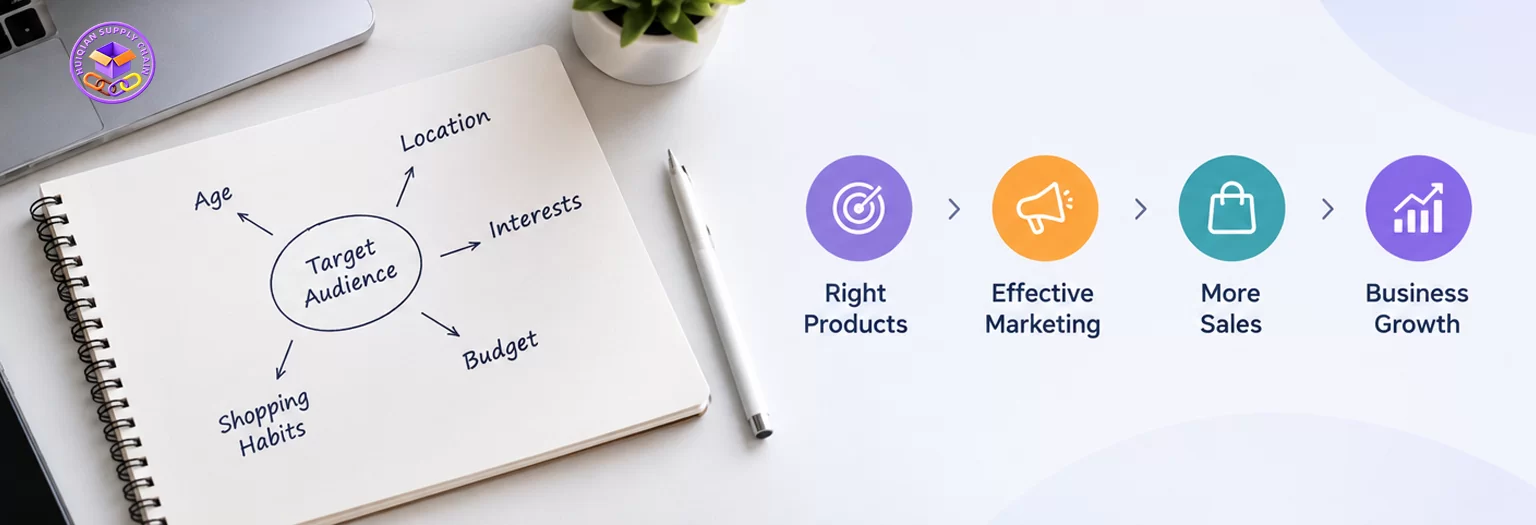
Instead of trying to sell to everyone, start with a specific group of potential customers. Consider their age, location, interests, budget, and shopping habits.
For example, if you want to sell home organization products, your audience might include young professionals looking to make small living spaces more functional.
The more clearly you define your ideal customers, the easier it becomes to choose relevant products and develop a consistent brand message.
2. Understand Their Everyday Needs
Successful products often solve real problems or make everyday life easier. Think about what your potential customers need, what frustrates them, and what they value most.
You can discover these insights by reading customer reviews, exploring social media discussions, and observing questions people ask before making a purchase.
Look for products that offer practical benefits, whether that means saving time, improving convenience, or simplifying daily routines. Understanding the reason behind a purchase is often more valuable than simply following a trend.
3. Research Before Choosing Products
Once you understand your audience, research the market to identify potential product opportunities.
Explore competitor stores, monitor trends, compare prices, and check customer feedback. Tools such as Google Trends can also help you understand whether interest in a product is growing or declining.
Before selecting a product, consider its demand, competition, sourcing cost, shipping time, and profit potential.
Remember, a popular product is not necessarily a profitable one. The best choice should match customer needs while remaining practical to source and deliver.
4. Test, Analyze, and Improve
Market research provides a starting point, but real customer behavior offers valuable insights.
Test different products, advertising messages, and product images. Monitor your conversion rate, customer acquisition cost, and customer feedback to understand what works.
If a product attracts clicks but generates few sales, you may need to improve its pricing, presentation, or relevance to your audience.
Keep refining your strategy based on actual data rather than assumptions. This approach helps you make better decisions as your business grows.
5. Turn Customer Insights into Business Growth
Understanding your audience should influence more than product selection. It also affects pricing, packaging, shipping, and customer service.
For example, customers who value fast delivery may be less willing to wait for long shipping times, while gift buyers may appreciate customized packaging.
With the right fulfillment partner, you can better manage product sourcing, quality control, warehousing, and shipping while focusing on growing your store.
HQ Dropshipping supports online sellers with sourcing, fulfillment, warehousing, and custom packaging services, helping businesses build a more reliable supply chain as order volumes increase.
Final Thoughts
Building a successful dropshipping business starts with understanding your customers, not just finding trending products.
Identify your target audience, explore their needs, research the market, and test your ideas with real data. The more you understand your buyers, the easier it becomes to choose the right products and create marketing that connects with them.
Start with the customer, and let their needs guide your business decisions.
Frequently Asked Questions