The Sale Is Just the Beginning: How to Turn First-Time Buyers into Repeat Customers
Making a sale is an important milestone for any ecommerce business. But what happens after checkout can be just as important as the purchase itself.
Customers want to know when their orders will arrive, where their packages are, and who they can contact if something goes wrong. When these expectations are met, the buying experience feels smoother, more reliable, and more likely to bring customers back.
For Shopify and dropshipping businesses, building customer loyalty means looking beyond product selection and marketing. It requires a well-managed post-purchase experience supported by clear communication, reliable order tracking, responsive customer service, and consistent fulfillment.
1. Keep Customers Informed After Checkout
Once an order is placed, customers naturally want reassurance that everything is moving forward.
A lack of communication can create unnecessary uncertainty, even when an order is being processed normally. Customers may contact support repeatedly simply because they don't know what is happening.
To prevent this, build a clear post-purchase communication process.
Send order confirmations: Let customers know their purchases have been received successfully.
Provide shipping notifications: Update customers when their orders have been dispatched.
Communicate delays proactively: Explain unexpected changes rather than waiting for customers to ask.
Set realistic delivery expectations: Make estimated delivery times clear before and after checkout.
The goal is to give customers the right information at the right time. Consistent communication helps reduce uncertainty and gives shoppers greater confidence in your business.
2. Make Order Tracking Simple and Accessible
Shipping is one of the most visible parts of the ecommerce experience. Even if a product is excellent, unclear tracking information can leave customers feeling frustrated.
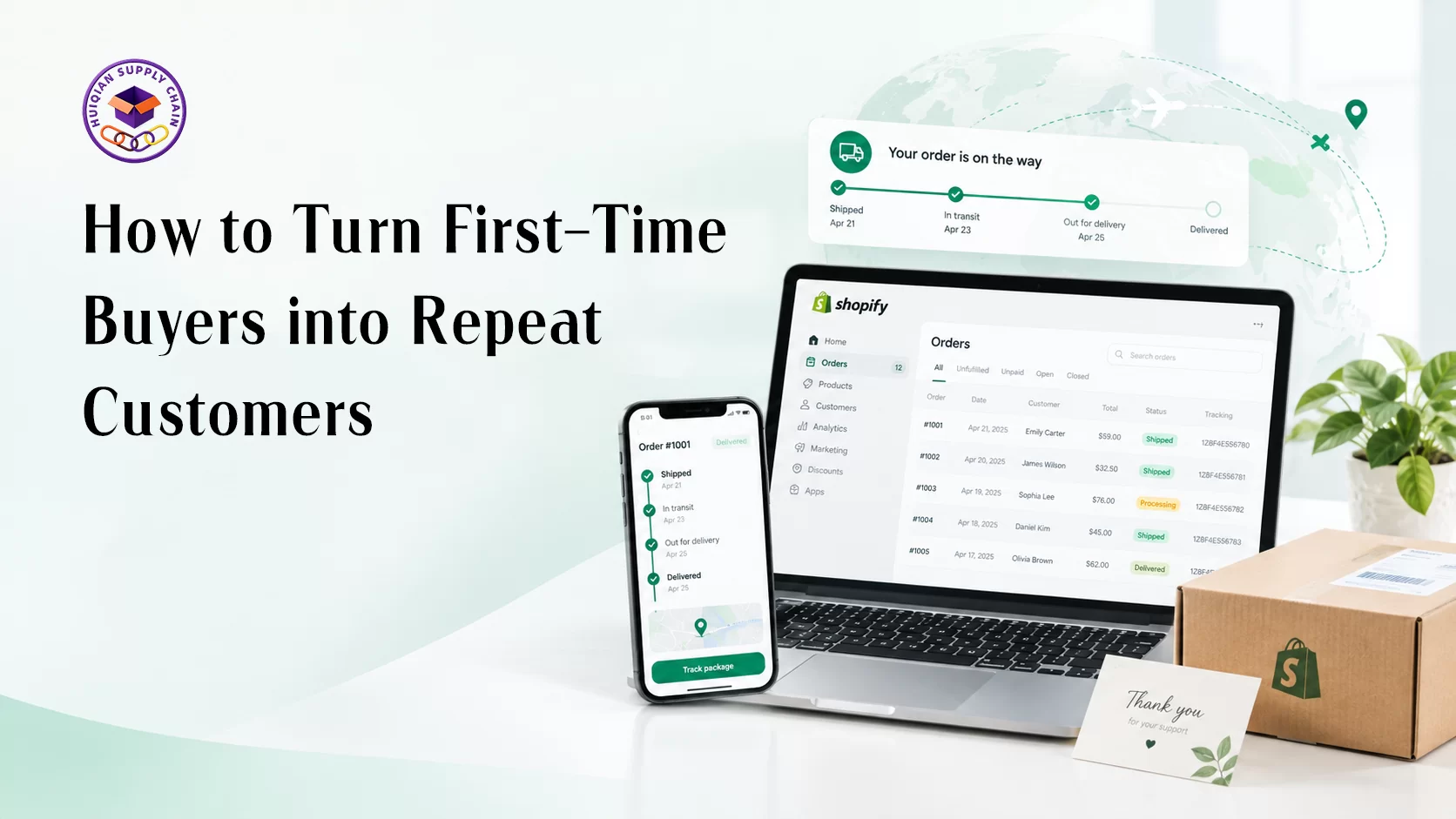
A reliable tracking process should make it easy for customers to understand their order status without contacting support.
For dropshipping businesses, this requires coordination between suppliers, fulfillment teams, shipping carriers, and the online store.
Here are three ways to improve order tracking:
Provide tracking information promptly. Share tracking numbers as soon as reliable shipment information becomes available.
Keep tracking updates consistent. Make sure order statuses are synchronized accurately across your store and fulfillment system.
Explain tracking delays. When tracking information takes time to update, communicate what customers can reasonably expect.
Clear tracking does more than answer the question, "Where is my order?" It reduces avoidable support requests and helps create a more professional post-purchase experience.
3. Respond to Customer Questions Promptly
Fast, helpful customer service can make a significant difference when shoppers encounter problems.
Customers may ask about delivery dates, missing tracking updates, product specifications, damaged packages, or return procedures. How your team responds can influence whether a small issue becomes a lasting source of dissatisfaction.
To improve support quality, establish a consistent process:
Set clear expectations for response times.
Prepare accurate answers to common shipping and order questions.
Give customers practical next steps instead of vague reassurances.
Follow up on unresolved issues until they are addressed.
Speed matters, but accuracy and ownership matter just as much. A quick response that fails to solve the problem may only lead to more frustration.
For growing ecommerce stores, organized order data and a coordinated fulfillment workflow can help support teams locate shipment information faster and resolve customer questions more efficiently.
4. Use Customer Feedback to Improve Your Operations
Customer feedback is more than a source of reviews. It can reveal weaknesses in your products, shipping process, packaging, and customer service.
Instead of treating complaints as isolated incidents, look for recurring patterns.
For example:
Repeated complaints about late deliveries may indicate a need to review shipping routes or processing times.
Reports of damaged products may point to inadequate packaging or quality checks.
Confusion about product details may suggest that your product pages need clearer descriptions.
Frequent questions about order status may indicate gaps in automated notifications or tracking visibility.
Collect feedback through post-purchase surveys, product reviews, customer support conversations, and follow-up emails.
Then turn those insights into specific improvements. Addressing the underlying cause of a problem is usually more effective than repeatedly responding to the same complaint.
5. Create a More Consistent Unboxing Experience
The customer experience continues when the package arrives.
Packaging protects the product, but it also communicates something about your brand. Damaged parcels, incorrect items, or inconsistent presentation can undermine the trust built during the purchasing process.
A more consistent unboxing experience starts with reliable fulfillment operations.
Consider the following improvements:
Inspect products before dispatch.
Use suitable packaging to protect items during transit.
Include branded labels, thank-you cards, or personalized inserts where appropriate.
Check order accuracy before parcels leave the warehouse.
For brands looking to stand out in competitive markets, custom packaging can help create a more recognizable identity and make the delivery experience feel more intentional.
These details cannot guarantee repeat purchases, but they can support a stronger overall impression of your business.
6. Build a Post-Purchase Strategy That Encourages Repeat Orders
Customer retention shouldn't depend entirely on discounts or promotional campaigns. It should be supported by a buying experience that gives customers a reason to return.
Once an order has been delivered, consider how to maintain the relationship without overwhelming customers with messages.
A practical post-purchase strategy may include:
Sending a follow-up email to confirm the order arrived successfully.
Offering useful product care instructions or setup guidance.
Requesting an honest review after the customer has had time to use the product.
Recommending relevant products based on previous purchases.
Providing targeted offers when they genuinely match customer interests.
Timing and relevance are essential. Communication should help customers, not simply push another sale.
Track metrics such as repeat purchase rate, customer satisfaction, delivery-related support requests, and return rates to understand which improvements are working.
Over time, these insights can help you refine your retention strategy and allocate resources more effectively.
7. Make Sure Your Fulfillment Process Supports Customer Experience
Even the best customer service strategy can struggle if the underlying fulfillment process is unreliable.
Delayed order processing, inaccurate inventory information, inconsistent packaging, and fragmented tracking updates can create problems throughout the customer journey.
As order volume increases, these issues become more difficult to manage manually.
Ecommerce businesses should regularly review whether their fulfillment setup can support their current needs and future growth.
Key areas to evaluate include:
Order processing: Are orders handled accurately and within the expected timeframe?
Inventory visibility: Can your team identify stock shortages before they affect customers?
Quality control: Are products checked before shipment?
Shipping performance: Are delivery times and tracking updates consistent with customer expectations?
System integration: Can your store, order management tools, and fulfillment partner exchange information efficiently?
For Shopify and dropshipping stores, integrating these processes can reduce operational friction and help create a more consistent experience from checkout to delivery.
Turn Better Experiences into Long-Term Growth
A successful ecommerce business doesn't end its relationship with customers when payment is completed. Every shipping update, support interaction, delivered package, and follow-up message contributes to the overall experience.
By keeping customers informed, simplifying order tracking, responding promptly, learning from feedback, and maintaining reliable fulfillment, businesses can build stronger relationships and create more opportunities for repeat purchases.
At HQ, we support ecommerce businesses with product sourcing, quality control, warehousing, custom packaging, and order fulfillment. By helping coordinate the operational side of the customer journey, we help brands focus on delivering a more consistent buying experience as they grow.
Ready to improve your post-purchase experience? Explore HQ's dropshipping and fulfillment solutions to build a supply chain that supports your customers and your long-term growth.
Frequently Asked Questions
1. Why is the post-purchase experience important in ecommerce?
It helps customers understand what happens after checkout, builds confidence in the business, and can influence customer satisfaction, reviews, and repeat purchases.
2. How can I reduce customer questions about shipping?
Provide timely shipping notifications, accurate tracking information, realistic delivery estimates, and proactive updates when delays occur.
3. How does order tracking affect customer satisfaction?
Accessible and accurate tracking helps customers understand their order status, reduces uncertainty, and can lower the number of avoidable shipping-related support requests.
4. How can dropshipping businesses encourage repeat purchases?
Focus on reliable delivery, responsive customer service, consistent product quality, relevant follow-up communication, and a smooth overall buying experience.
5. Can a fulfillment partner improve the customer experience?
A suitable fulfillment partner can help with order accuracy, inventory management, quality checks, packaging, and shipping coordination. Results depend on the services offered and the quality of execution.