How Does Order Fulfillment Work? A Simple Guide for Ecommerce Businesses
When a customer places an order online, what happens next? Before the package arrives at their doorstep, it goes through several important steps, including order processing, inventory checking, picking, packing, shipping, and tracking.
This entire process is called order fulfillment. For ecommerce businesses, an efficient fulfillment process means fewer mistakes, faster dispatch, and a better customer experience.
So, how does order fulfillment actually work? Let's break it down.
What Is Order Fulfillment?
Order fulfillment is the process of receiving, processing, packing, and delivering customer orders. It starts when an order is placed and continues until the package is handed over to the carrier and delivered to the customer.Depending on the business model, sellers can handle fulfillment in-house or work with a third-party logistics (3PL) provider.
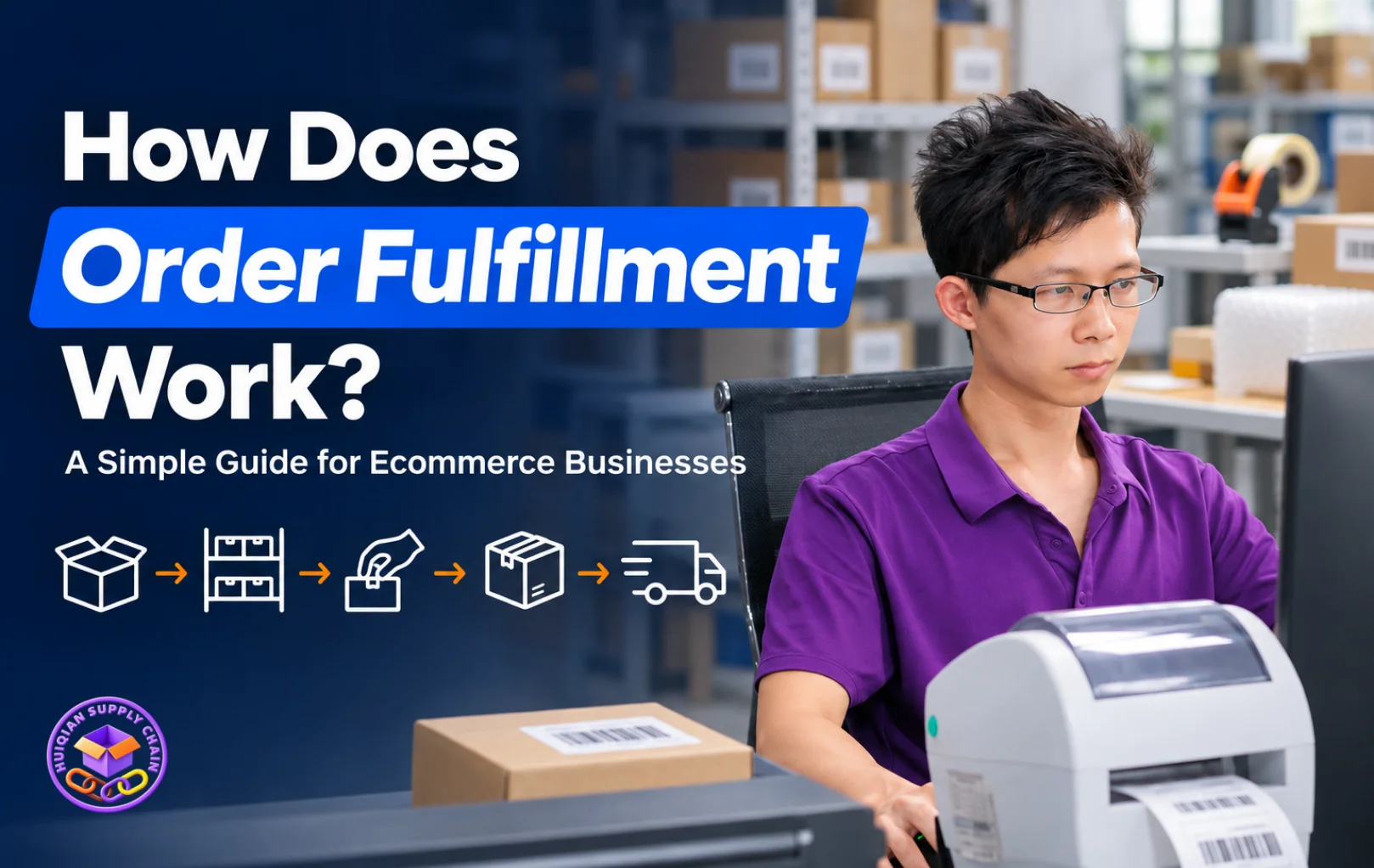
A typical fulfillment process includes five main stages.
5 Key Steps in the Order Fulfillment Process
1. Order Receiving and ProcessingThe process begins when a customer places an order through an online store or marketplace.
The order information, including product details, quantities, and shipping addresses, needs to be collected and processed.
For businesses selling across multiple platforms, an integrated order management system can automatically synchronize orders from different sales channels into one place. This reduces manual work and helps prevent missed orders.
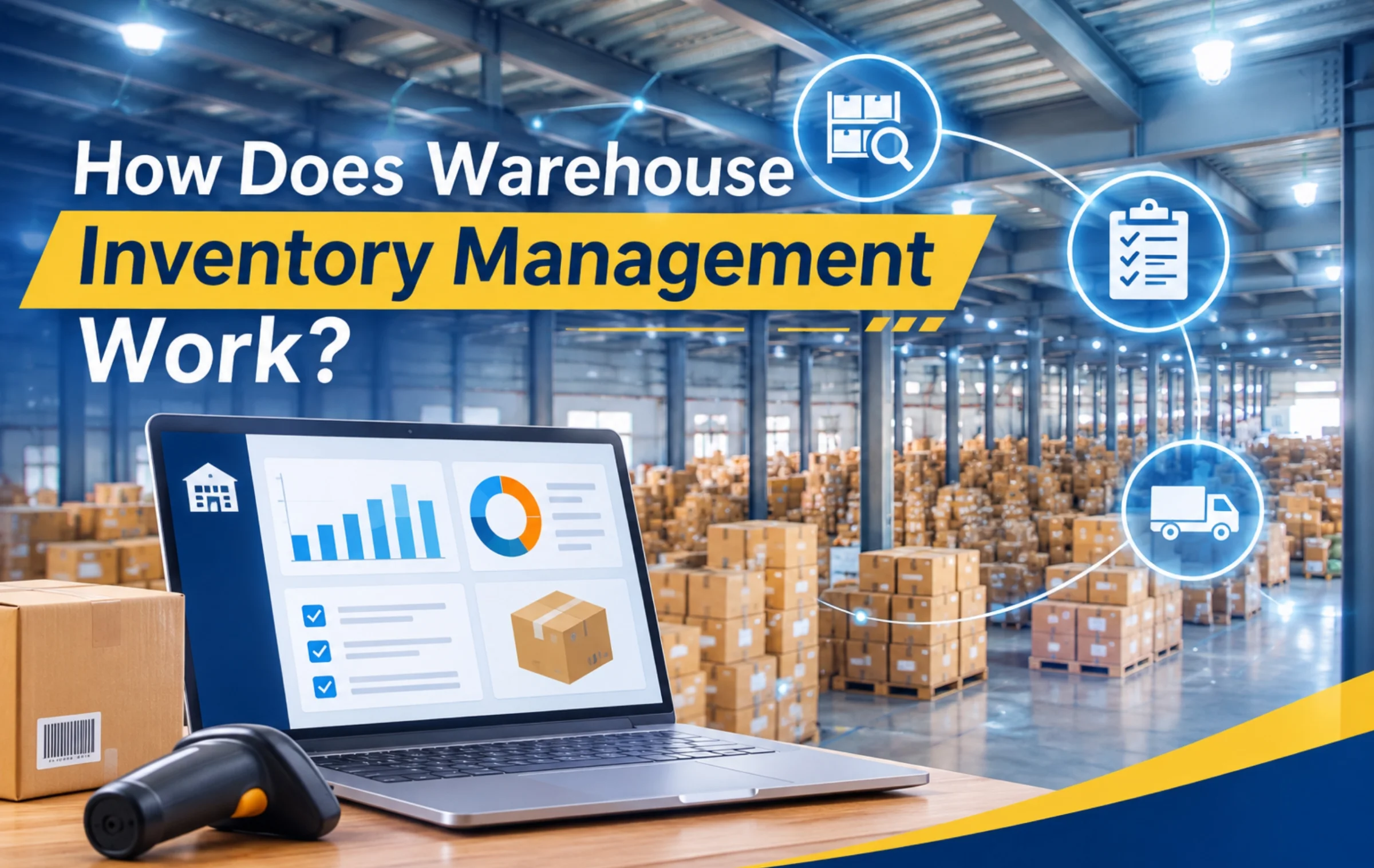
Before an order can be prepared, the warehouse needs to confirm that the requested products are available.
Accurate inventory records help warehouse teams identify the correct SKUs, check stock levels, and avoid selling products that are out of stock.
A well-organized inventory management system also makes it easier to manage different product variations, such as sizes, colors, and styles.
3. Picking and Quality Checking
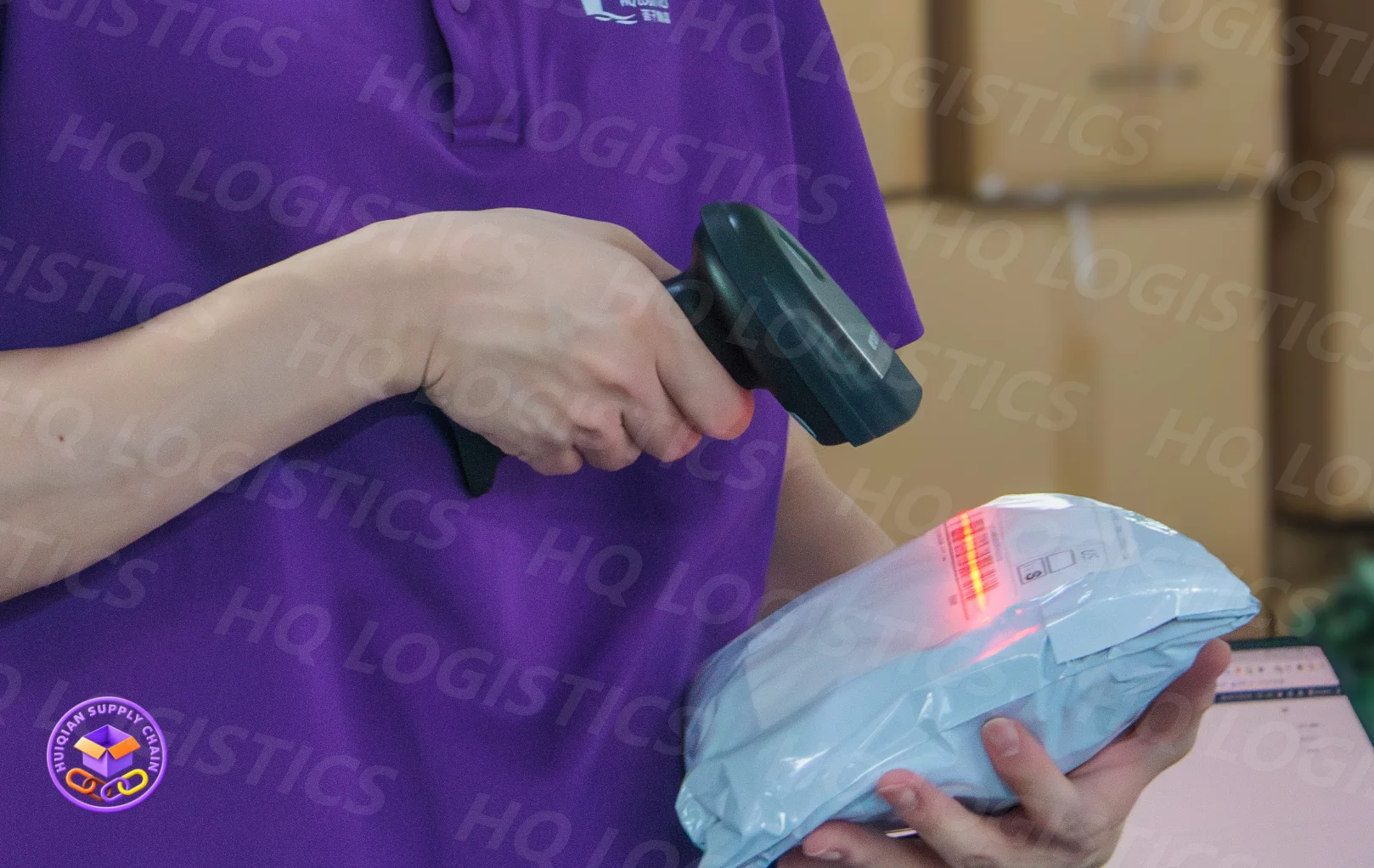
Once inventory is confirmed, warehouse staff locate the products and pick the correct items according to the order details.
Barcode scanning can help verify product SKUs and quantities during picking. Quality checks may also be performed to identify visible damage, incorrect products, or packaging issues before the order moves forward.
This step is important for reducing shipping errors and unnecessary returns.
4. Packing and Shipping
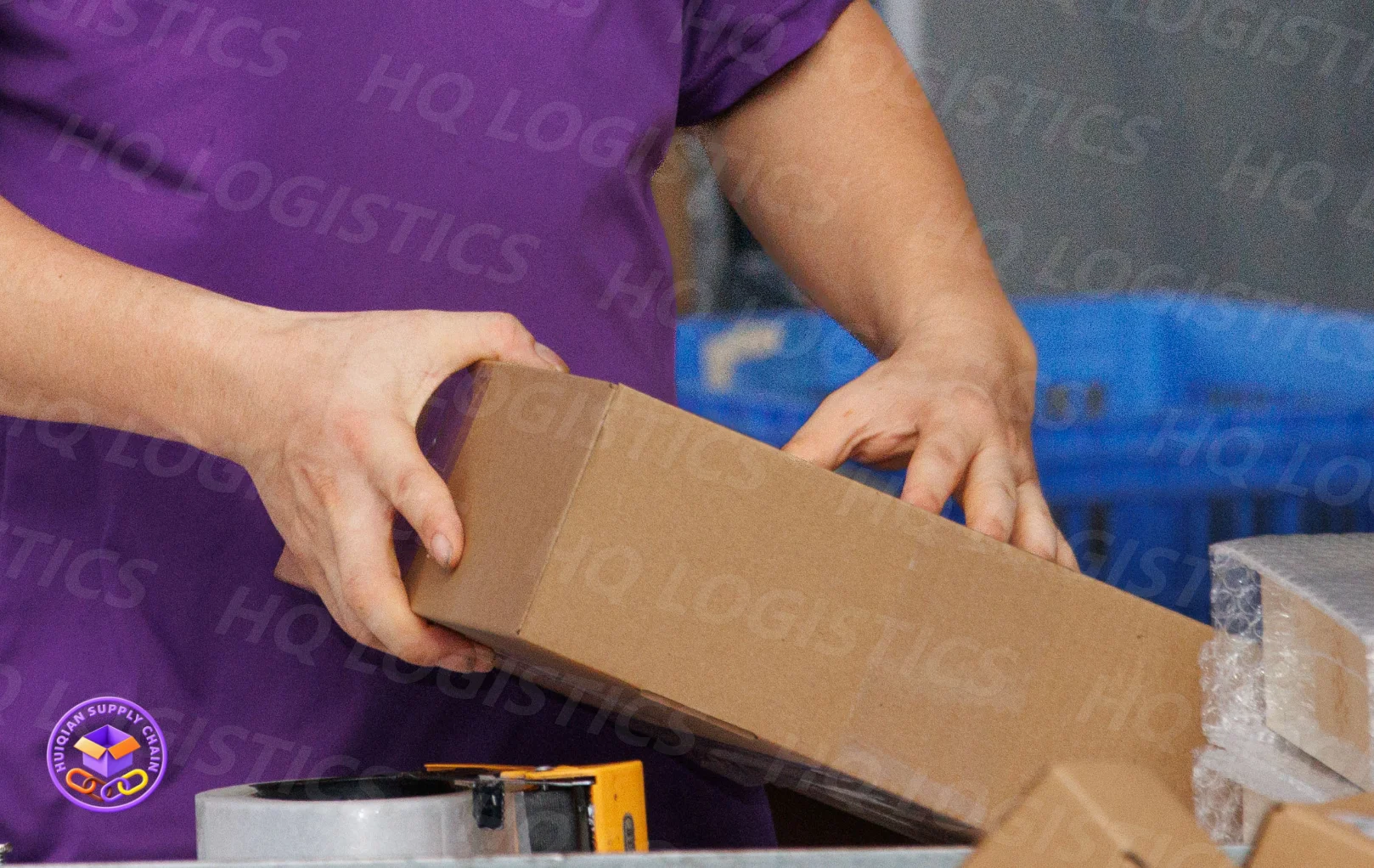
After picking and checking, products are packed according to their size, weight, and shipping requirements.
Sellers can choose standard packaging or customized options such as branded boxes, packaging bags, stickers, and thank-you cards.
Once the package is ready, the warehouse arranges shipment through a suitable carrier and shipping service based on the destination, delivery requirements, and product characteristics.
After dispatch, the carrier provides tracking information so sellers and customers can follow the shipment.
When supported tracking events become available, the fulfillment system can update the order record and share tracking information with the connected store.
This gives customers better visibility and helps sellers manage delivery inquiries more efficiently.
How Does HQ Handle Ecommerce Order Fulfillment?
At HQ Supply Chain, we connect store integration, inventory management, warehouse operations, and global shipping into one fulfillment workflow.Here's how we help ecommerce sellers manage orders:
For eligible orders received before the agreed warehouse cutoff, same-day dispatch can be targeted. Orders received after the cutoff generally move to the next operating window.
- Store Integration: Supported Shopify, Amazon, TikTok Shop, and WooCommerce connections help synchronize orders into a centralized workflow. API integration is also available for other supported systems.
- Warehouse Management: Our team checks inventory availability and organizes products by SKU, helping ensure the correct items are ready for fulfillment.
- Picking and Packing: Warehouse staff pick products according to order details, use barcode verification, and follow agreed quality and release requirements.
- Custom Packaging: We support branded packaging, stickers, labels, and thank-you cards to help businesses create a more consistent brand experience.
- Global Shipping: We coordinate suitable shipping channels according to destination, product type, and delivery requirements.
- Tracking Updates: Supported tracking information is updated to help sellers and customers follow shipment progress.
Why Is an Efficient Fulfillment Process Important?
As an ecommerce business grows, managing orders manually becomes increasingly difficult. A reliable fulfillment process can help businesses:Reduce order processing mistakes.
Improve inventory visibility.
Save time on picking and packing.
Manage higher order volumes more efficiently.
Provide customers with clearer shipping updates.
Focus more resources on marketing and business development.
For growing brands, outsourcing fulfillment can also reduce the need to manage warehouse space, daily packing operations, and shipping arrangements independently.
Frequently Asked Questions
1. How long does the order fulfillment process take?It depends on inventory availability, warehouse cutoff times, processing requirements, and shipping arrangements. Eligible orders received before the agreed cutoff may target same-day dispatch.
2. What is the difference between order processing and order fulfillment?
Order processing generally refers to receiving and preparing an order for shipment. Order fulfillment covers the entire process, including inventory management, picking, packing, shipping, and tracking.
3. Can order fulfillment be automated?
Yes. With store integrations and ERP systems, orders can be synchronized automatically, inventory information can be managed centrally, and tracking updates can be returned to supported sales channels.
4. Can a 3PL provider handle orders from multiple ecommerce platforms?
Yes. Depending on the provider's integration capabilities, orders from platforms such as Shopify, Amazon, TikTok Shop, and WooCommerce can be managed through a centralized fulfillment workflow.
5. Is there a minimum order quantity for fulfillment services?
Requirements vary by provider. HQ supports businesses without a minimum order volume requirement, making it possible for growing ecommerce sellers to get started.
Final Thoughts
Understanding how order fulfillment works is essential for building a reliable ecommerce business. From receiving orders and checking inventory to picking, packing, shipping, and tracking, every step contributes to the customer experience.With the right systems and fulfillment partner, businesses can simplify daily operations, reduce errors, and handle growing order volumes more confidently.
Looking for a more efficient way to manage your ecommerce orders? Let HQ Supply Chain support your fulfillment operations from warehouse to doorstep.