How VIP Technical Support Helps Ecommerce Brands
Running an ecommerce business involves more than attracting customers and receiving orders. Sellers also need to manage product data, inventory, warehouse operations, shipping updates, and multiple sales channels. When these systems do not work together smoothly, even small technical issues can slow down daily operations.That is why technical support matters.
For growing ecommerce brands, VIP technical support should go beyond answering basic questions. It should help connect the tools behind the business, identify operational issues, and make everyday workflows easier to manage.
At HQ Supply Chain, technology is designed to connect sales channels, warehouse operations, inventory records, and logistics visibility through one partner workspace. Here is how this kind of support can help ecommerce brands operate more efficiently.

1. Solve Integration Issues Across Ecommerce Platforms
Many sellers operate across several sales channels, including Shopify, Etsy, eBay, Amazon, and WooCommerce. Managing each platform separately can create extra work and increase the risk of inconsistent order information.A connected system helps bring supported store and marketplace orders into one operating workflow.
With HQ's technology platform, supported sales channels connect to its WMS and ERP systems. This allows order information to flow into a central workspace, where sellers can access connected order records and operational updates.
Technical support is especially useful during integration setup. A support team can help clarify:
The exact connector setup and data scope are confirmed during onboarding, helping sellers understand what is supported before implementation.
- Which sales channels are supported
- Which account and marketplace connections are available
- What order and inventory information can be synchronized
- How the connection should fit into existing business operations
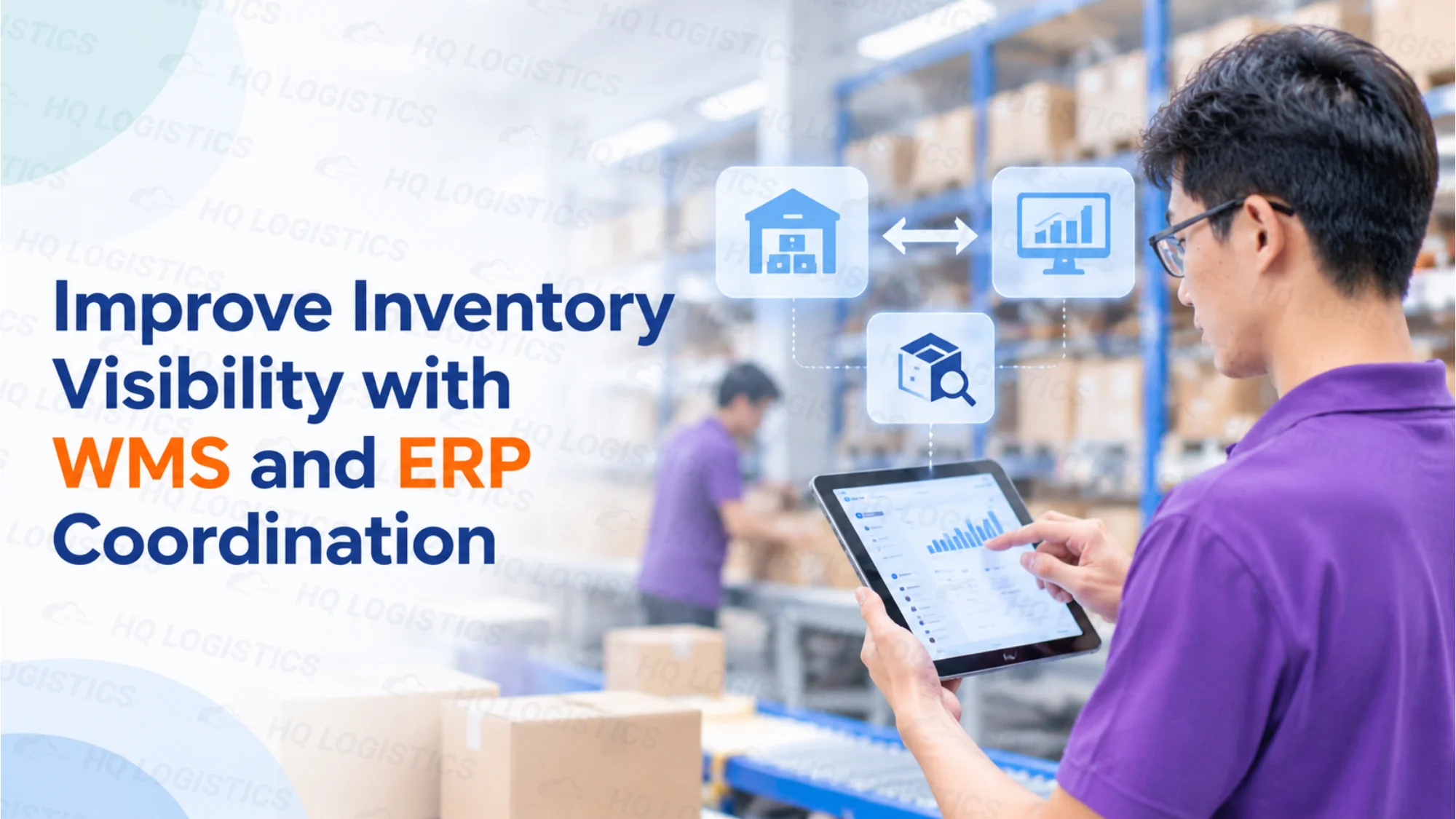
2. Improve Inventory Visibility with WMS and ERP Coordination
Inventory problems can affect sales, fulfillment, and customer satisfaction. When stock records are spread across different platforms, sellers may struggle to identify which products are available, allocated, or awaiting further action.HQ connects its ERP and WMS operating layers:
The partner workspace brings these operational views together, helping sellers check stock positions and warehouse progress without manually reconciling separate updates.
- ERP: Connects orders, products, and commercial records.
- WMS: Manages inventory, warehouse locations, and fulfillment tasks.
For example, a seller can review inventory records by SKU and location, including available stock, allocated inventory, and items requiring attention.
With technical guidance during setup, sellers can better understand how product records and warehouse inventory are connected.
3. Track Order and Logistics Status More Easily
When customers ask where their orders are, sellers need access to accurate fulfillment and shipping information.Without a connected order lookup process, teams may need to check several systems or contact different departments to find the latest update.
HQ's partner workspace allows users to search by order number and view the current fulfillment and logistics status.
A typical order journey may include:
Order received: The store order is synchronized.
Fulfillment released: Warehouse picking and packing are completed.
In transit: The latest available carrier event is displayed in the workspace.
This gives sellers a clearer view of an order's progress and makes it easier to investigate delivery questions.
Keep in mind that carrier scan timing and available tracking fields depend on the selected shipping service and carrier. Technical support can help clarify the information available within the connected workflow.
4. Simplify SKU Management with Bulk Editing
As product catalogs grow, updating SKUs one by one can become time-consuming. This is especially challenging for sellers managing multiple product variants, seasonal collections, or frequent product launches.HQ provides a supported SKU plugin that allows partners to select multiple products and apply supported edits together.
Instead of updating each product record individually, sellers can use batch actions to manage selected SKU information more efficiently.
This can help with tasks such as:
Updating product status in batches
Adding launch tags to selected products
Managing multiple SKU records more consistently
Reducing repetitive manual editing
For active HQ fulfillment partners, the supported SKU plugin is available without a separate software license fee. Fulfillment, storage, shipping, and custom implementation services remain subject to the commercial agreement.

5. Get Support That Connects Technology with Daily Operations
Technical problems are not always isolated software issues. An order synchronization problem may involve product mapping, inventory availability, warehouse processing, or shipping configuration.That is why ecommerce brands benefit from support that understands the connection between technology and fulfillment operations.
For example:
Operational challenge
What technical coordination can help with
Orders are not appearing in the workspace
Review the store connection and supported synchronization scope
Inventory records do not match
Check product records, stock positions, and warehouse data
Order status is unclear
Look up the order's current fulfillment and logistics status
Many SKU records need updating
Use supported batch-editing functions
A new sales channel needs connecting
Confirm connector availability and onboarding requirements
A connected technology and fulfillment workflow helps reduce the need to coordinate every issue across separate systems.
6. Why VIP Technical Support Matters as Your Business Grows
A workflow that works for 20 orders a day may become difficult to manage when order volume increases. More products, sales channels, warehouse locations, and fulfillment tasks create additional coordination requirements.For growing brands, the value of VIP technical support is not simply having someone to contact. It is having a partner who can help make the operating process clearer and more connected.
The benefits include:
Less manual coordination
Connected order, inventory, and logistics records reduce the need to check multiple systems for routine updates.
Better operational visibility
A shared workspace helps sellers understand order progress, inventory positions, and warehouse activity.
More efficient product management
Supported SKU batch-editing tools help reduce repetitive product data updates.
A clearer integration process
Channel availability and data scope are confirmed during onboarding, helping sellers plan their technical setup.
Technology connected to fulfillment
Support is more useful when the systems handling orders and inventory are connected to the warehouse teams processing those orders.

7. How HQ Technology Supports Ecommerce Partners
HQ's technology platform is designed around one practical goal: connecting the sales channels where orders begin with the warehouse and logistics operations that complete them.The partner workspace brings together several key capabilities:
The exact account, marketplace, connector, and data scope are confirmed during onboarding. This helps ensure that the technology setup matches the agreed fulfillment service.
- Multi-channel connections: Shopify, Etsy, eBay, Amazon, and WooCommerce.
- Order management: Connected order records in one operating workspace.
- WMS and ERP coordination: Product, inventory, and warehouse task visibility.
- Logistics lookup: Search orders to view current fulfillment and logistics status.
- SKU bulk editing: Apply supported changes to multiple product records.
- Partner access: Active HQ fulfillment partners can use the workspace and supported SKU plugin without a separate software license fee.
Explore the HQ Technology Platform to learn more about its connected workspace and operating tools.
Frequently Asked Questions
1. What is VIP technical support for ecommerce brands?VIP technical support is a partner-focused approach to helping ecommerce businesses manage system connections and operational technology. Depending on the service scope, it may include integration guidance, order synchronization support, inventory visibility, logistics lookup, and SKU management assistance.
2. Which ecommerce platforms can HQ connect?
HQ currently supports connections for Shopify, Etsy, eBay, Amazon, and WooCommerce. The exact account, marketplace, and data scope are confirmed during onboarding.
3. Can I manage orders and inventory in one system?
HQ's partner workspace connects its WMS and ERP operating layers, bringing order, inventory, fulfillment, and logistics views together. This helps partners avoid manually reconciling separate operational updates.
4. Can I check the latest shipping status through HQ?
Yes. Partners can search for an order in the workspace and view its current fulfillment and logistics status. Carrier scan timing and available information depend on the selected service and carrier.
5. Is HQ's SKU bulk-editing plugin free?
The supported SKU plugin is available to active HQ fulfillment partners without a separate software license fee. Fulfillment, storage, shipping, and custom implementation work remain subject to the service agreement.
Final Thoughts
As ecommerce brands expand across sales channels and increase order volume, technology becomes an important part of daily operations. Disconnected systems, inconsistent inventory records, and unclear shipping updates can all create unnecessary work.VIP technical support helps make these processes easier to coordinate by connecting platform integration, inventory management, warehouse operations, and logistics visibility.
With HQ's technology platform, ecommerce partners can bring more of their daily operations into one connected workspace and build a clearer process from order placement to delivery.
Looking for a fulfillment partner with connected technology and operational support? Contact HQ Supply Chain to discuss your platform integration and fulfillment requirements.