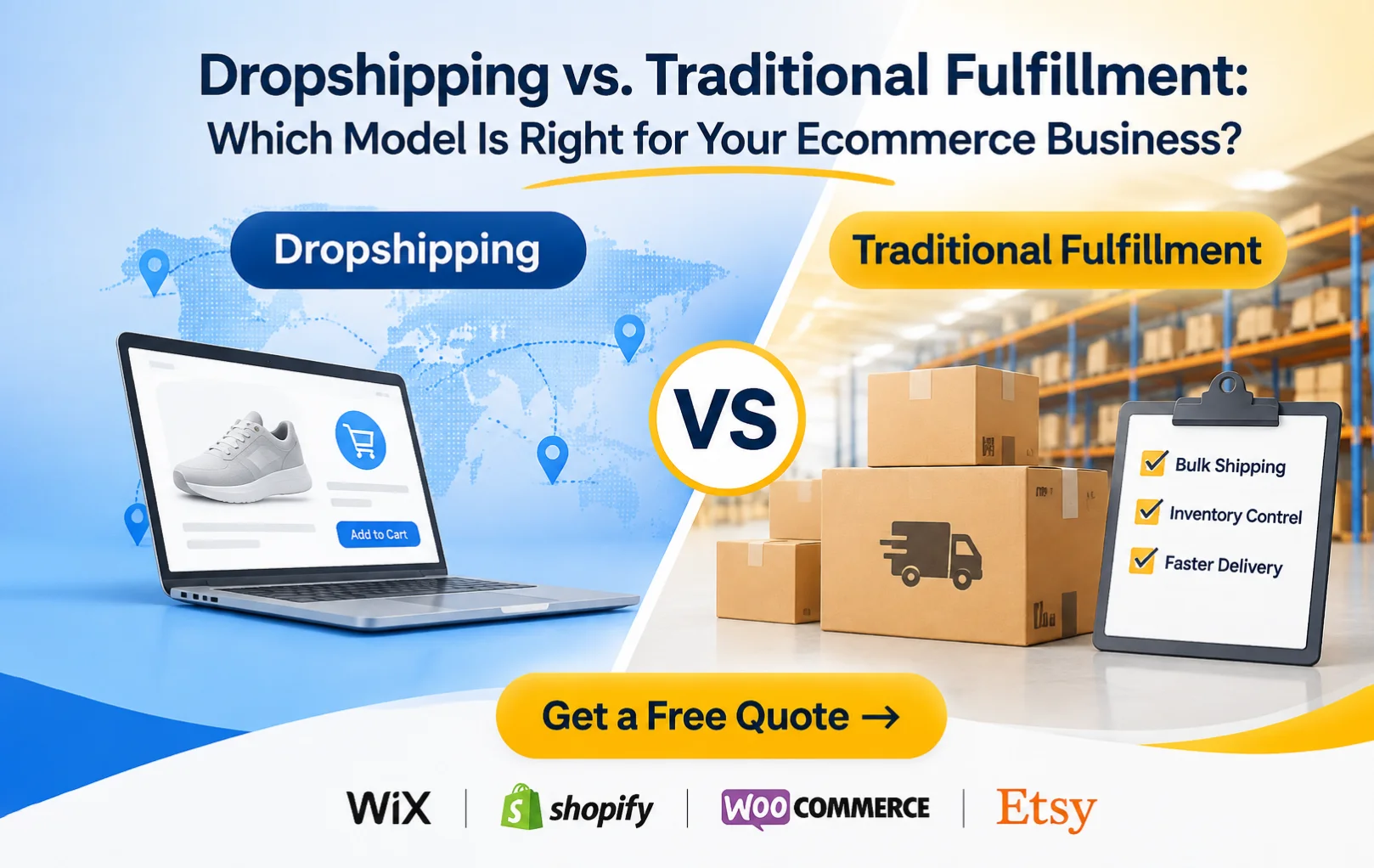
Dropshipping vs. Traditional Fulfillment: Which Model Is Right for Your Ecommerce Business?
Starting an ecommerce business means making many important decisions, and choosing the right fulfillment model is one of them. Should you sell products without holding inventory, or purchase stock in advance and manage fulfillment through a warehouse?Both dropshipping and traditional fulfillment help businesses deliver products to customers, but they work in different ways. Understanding their differences can help you control costs, manage inventory, and build a more efficient supply chain.
Let's take a closer look.
What Is Dropshipping?
Dropshipping is a fulfillment model where sellers don't need to store products themselves. When a customer places an order, the seller forwards the order to a supplier or fulfillment partner, who prepares and ships the product directly to the customer.This model allows ecommerce businesses to start selling without purchasing large quantities of inventory in advance.
Key advantages of dropshipping:
Lower upfront investment: No need to purchase large amounts of stock before testing demand.
Flexible product selection: Explore different products without committing to bulk inventory.
Less warehouse management: Suppliers or fulfillment partners handle storage and shipping.
Easier business entry: Suitable for startups and sellers testing new markets.
However, dropshipping also comes with challenges. Sellers may have less control over inventory availability, product quality, packaging, and delivery times if they work with suppliers without reliable fulfillment processes.
What Is Traditional Fulfillment?
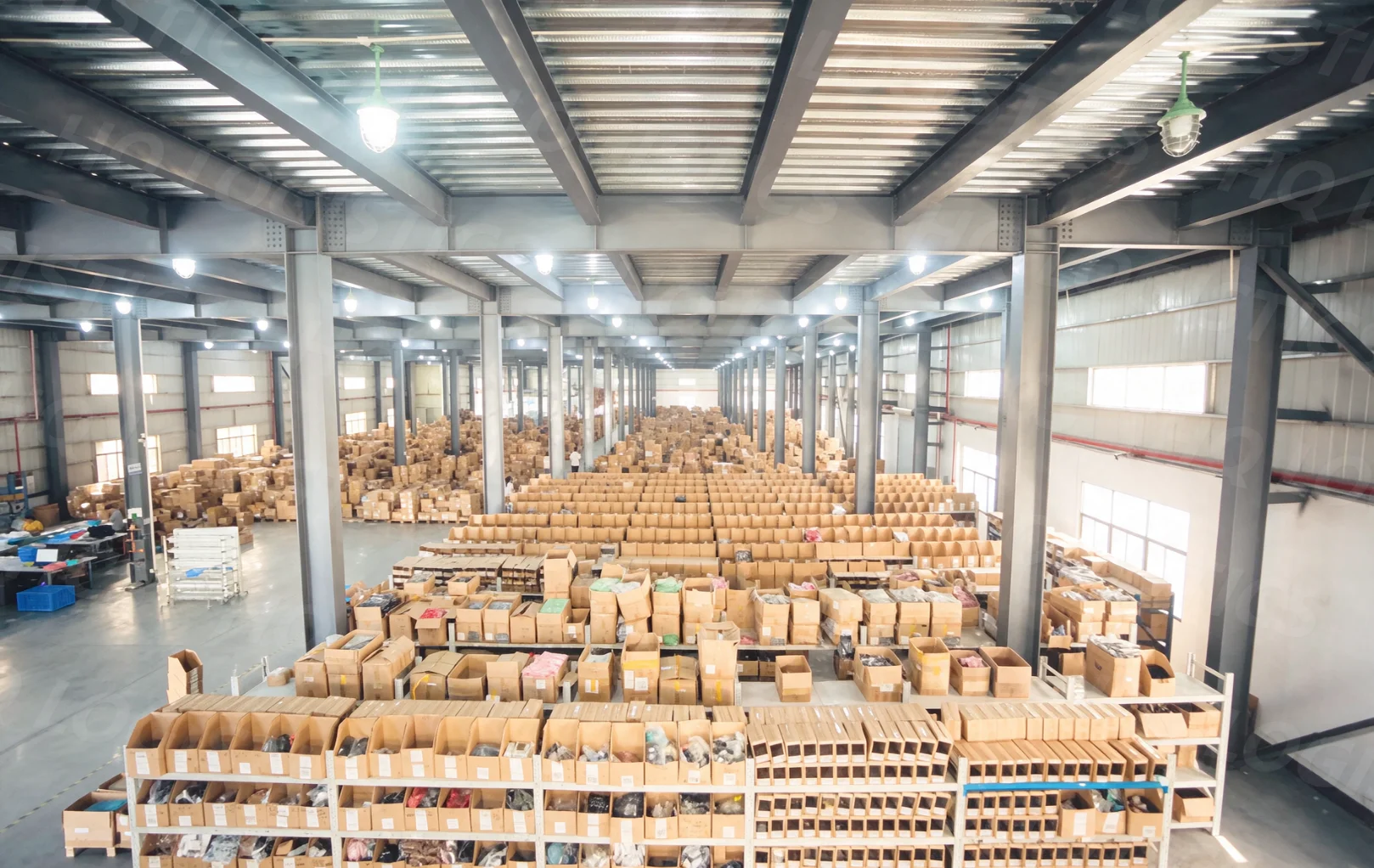
Traditional fulfillment usually involves purchasing products in advance and storing them in your own warehouse or a third-party fulfillment center.When customers place orders, warehouse staff pick the products, pack them, and arrange shipping.
This model gives sellers more direct control over inventory and product preparation, but it also requires more planning and inventory investment.
Key advantages of traditional fulfillment:
Better inventory control: You know what stock is available and can plan replenishment.
Faster order processing: Products are already stored in a warehouse and ready for picking.
More packaging flexibility: You can prepare branded packaging and promotional inserts.
More predictable operations: Stock levels and warehouse processes can be managed systematically.
The main challenge is inventory risk. If products don't sell as expected, your business may have money tied up in unsold stock, storage fees, and additional inventory management costs.
Dropshipping vs. Traditional Fulfillment: What's the Difference?
1. Inventory InvestmentDropshipping generally requires less upfront inventory investment because products can be shipped after an order is received.
Traditional fulfillment usually requires sellers to purchase inventory before receiving customer orders. This can increase initial costs but provides more control over available stock.
2. Storage and Warehouse Management
With dropshipping, suppliers or fulfillment partners handle product storage and order preparation. Sellers can focus more on marketing, customer acquisition, and sales.
With traditional fulfillment, businesses need to manage their own warehouse or work with a 3PL provider to store and process inventory.
Shipping speed depends on product availability, warehouse location, processing time, and the selected shipping route.
Traditional fulfillment can offer faster dispatch when inventory is already positioned close to customers.
Dropshipping can also be efficient when products are held in a ready-to-ship warehouse. However, factory-direct shipping may involve additional processing and transportation time.
4. Product Quality and Packaging
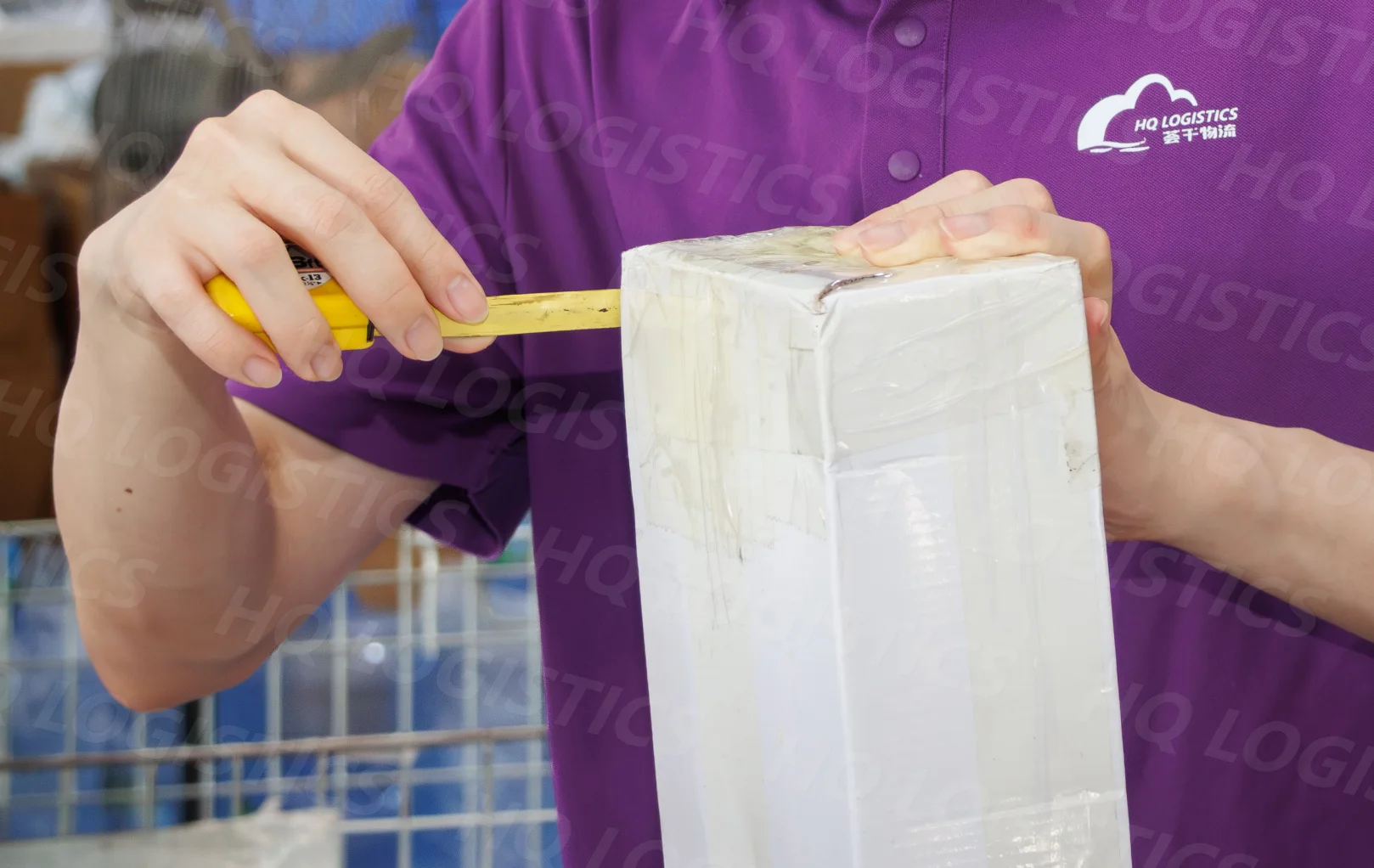
In traditional fulfillment, sellers can arrange product inspections and packaging requirements before inventory enters the warehouse.
In dropshipping, quality and packaging depend heavily on the supplier or fulfillment partner. Working with a partner that checks products before shipment and supports neutral or branded packaging can help maintain a consistent customer experience.
 |  |
|---|
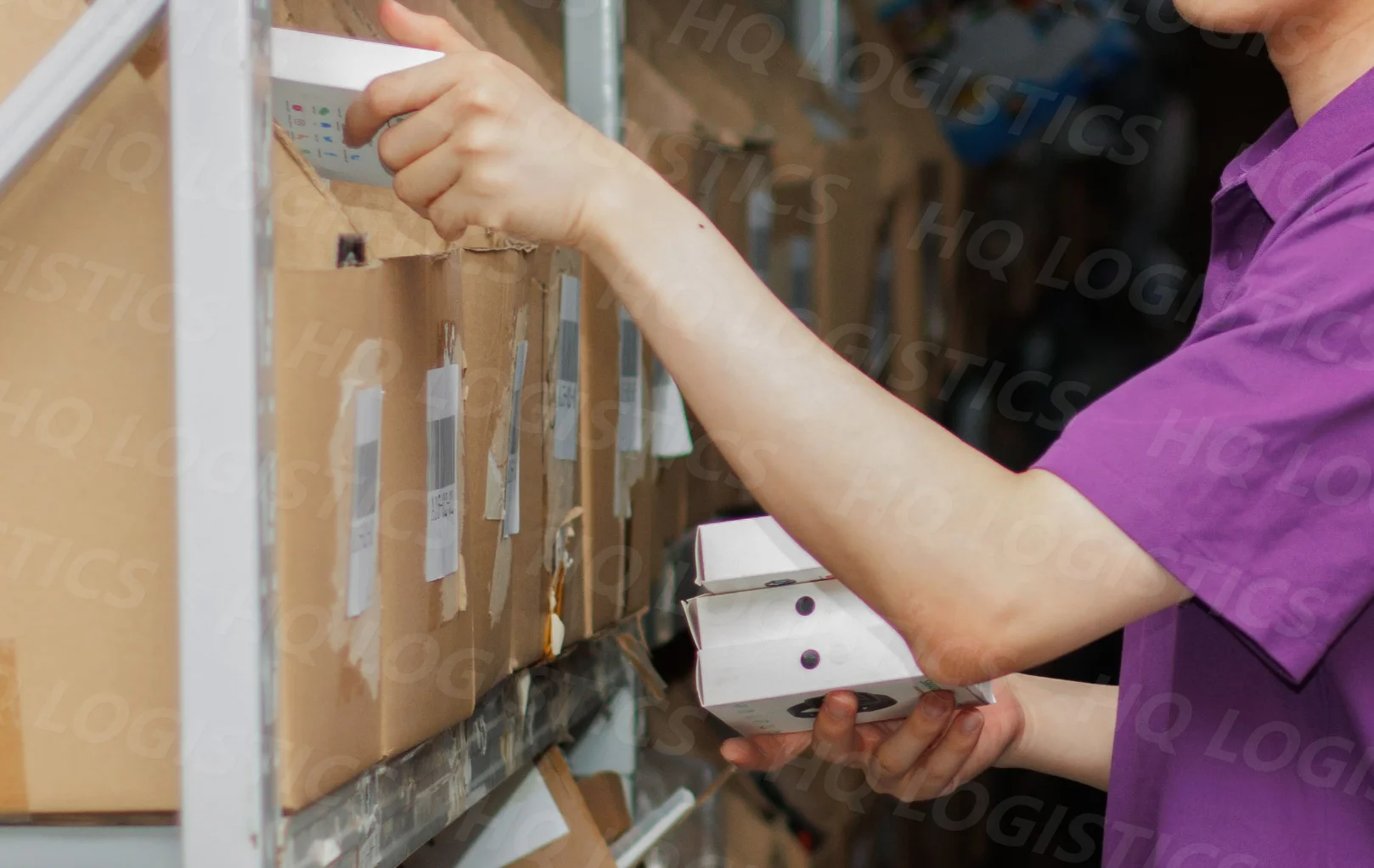
Dropshipping makes it easier to test new products and expand a catalog without purchasing large quantities upfront.
Traditional fulfillment can be a better fit for businesses with stable demand, proven products, and predictable sales volumes.
Both models can support business growth when inventory planning and fulfillment operations are properly managed.
Which Fulfillment Model Should You Choose?
There is no single solution for every ecommerce business. Your ideal model depends on your budget, sales volume, product demand, and growth plans.Choose Dropshipping If:
You're just starting an ecommerce business.
You want to test products before purchasing bulk inventory.
You prefer lower upfront inventory investment.
You sell a wide range of products with uncertain demand.
Choose Traditional Fulfillment If:
You already have products with consistent sales.
You want greater control over inventory and packaging.
You can forecast demand more accurately.
You need to prepare stock in advance for seasonal sales or promotions.
What About a Hybrid Fulfillment Model?
You don't necessarily have to choose only one model.Many growing ecommerce businesses combine dropshipping with traditional inventory fulfillment.
For example, you can use factory-direct dropshipping to test new products. Once a product proves popular, you can purchase inventory in advance and store it in an available warehouse for faster order processing.
This approach helps balance inventory investment, product availability, and delivery efficiency.
How HQ Supports Your Dropshipping and Fulfillment Operations
At HQ Supply Chain, we help ecommerce sellers connect product sourcing, inventory management, and order fulfillment through flexible supply chain solutions.Depending on your products, sales volume, and target market, we can help you choose between factory-direct dropshipping and warehouse-based fulfillment.
Our services include:With no minimum order quantity and no setup fees, eligible sellers can explore a fulfillment solution that fits their business stage.
- Product Sourcing: Find suitable suppliers and compare product quality and pricing before placing orders.
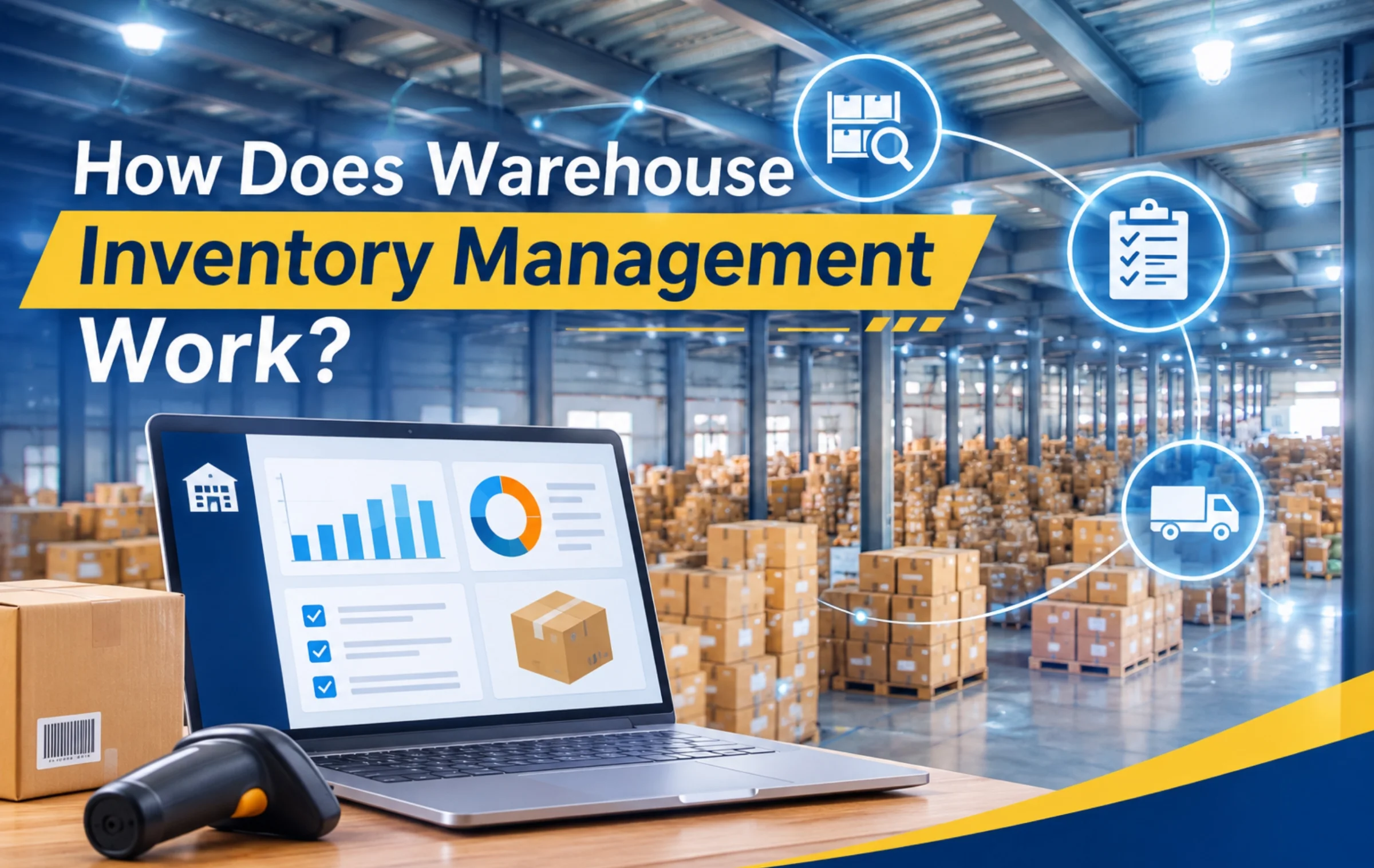
- Inventory Management: Hold approved stock in available warehouse locations and monitor inventory levels to help reduce stockout risks.
- Automatic Order Synchronization: Connect supported ecommerce platforms such as Shopify and WooCommerce, or integrate through API, to reduce manual order processing.
- Quality Checks: Check products before shipment to help identify visible defects and incorrect items.
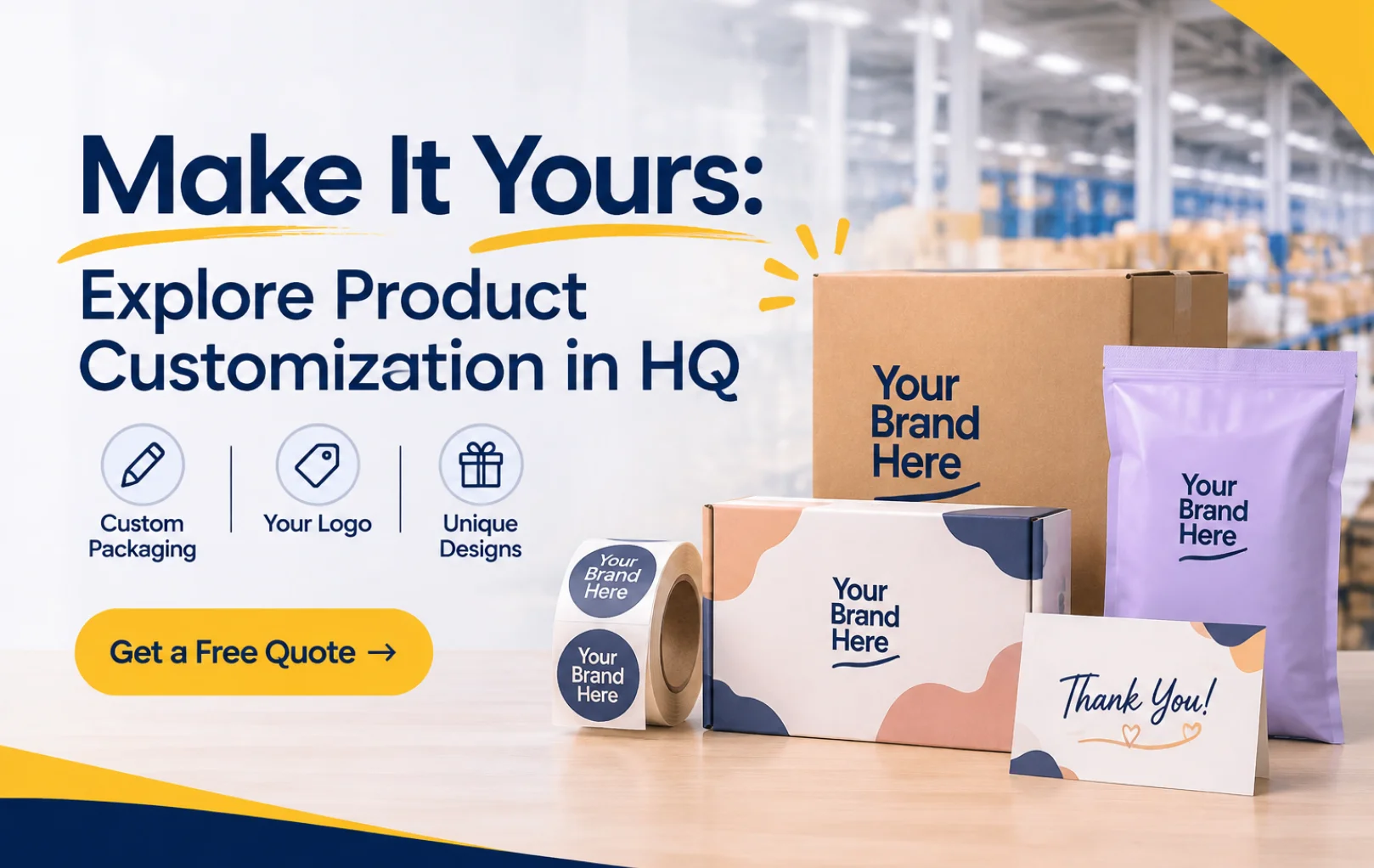
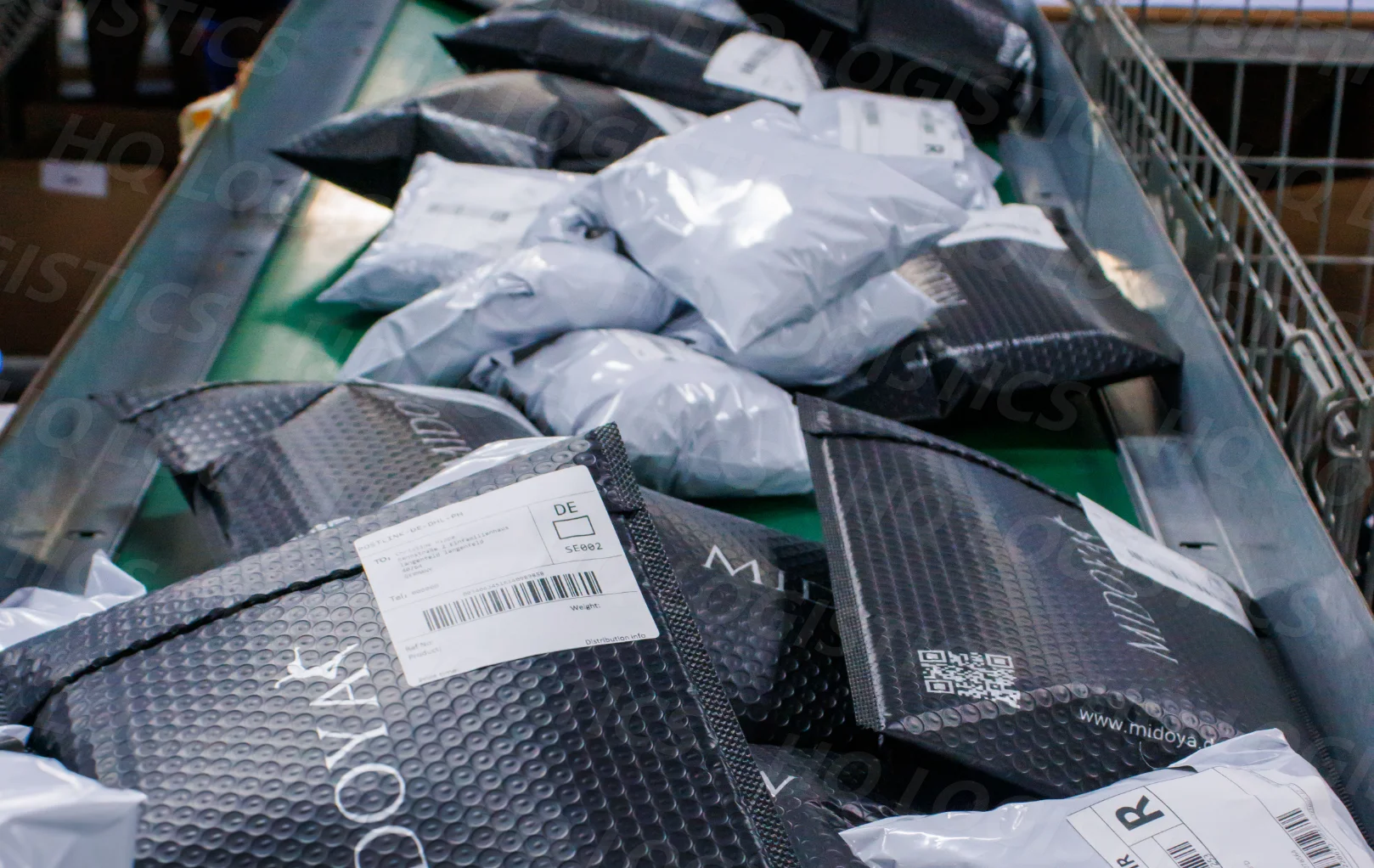
- Brand-Neutral Packaging: Use plain outer packaging without supplier advertisements or identifying information. Optional brand logos, packing slips, and inserts can help create a consistent customer experience.
- Global Shipping: Compare available US warehouse fulfillment and confirmed China-direct shipping routes according to product and destination requirements.

Frequently Asked Questions
1. Is dropshipping cheaper than traditional fulfillment?Dropshipping generally requires less upfront inventory investment. However, the overall cost depends on product prices, shipping fees, order volume, and supplier arrangements.
2. Is traditional fulfillment faster than dropshipping?
Not always. Traditional fulfillment can offer faster dispatch when stock is already available in a suitable warehouse. Dropshipping can also provide efficient delivery when products are held in a ready-to-ship fulfillment center.
3. Can I switch from dropshipping to traditional fulfillment later?
Yes. Many sellers start with dropshipping to test products and gradually move proven bestsellers into warehouse inventory as demand becomes more predictable.
4. Can dropshipping support custom packaging?
Yes. Depending on the fulfillment arrangement, sellers can use neutral packaging or add branded packaging, logos, and promotional inserts.
5. Does HQ support both dropshipping and warehouse fulfillment?
Yes. HQ supports factory-direct dropshipping and warehouse-based fulfillment, with the workable model and shipping route confirmed according to each product and target market.
Final Thoughts
Choosing between dropshipping and traditional fulfillment is about finding the right balance between inventory investment, operational control, and delivery efficiency.Dropshipping offers flexibility and a lower barrier to entry, while traditional fulfillment provides greater inventory control and can support faster dispatch when stock is positioned in advance.
For growing ecommerce brands, combining both models may be a practical way to test new products while building a more stable fulfillment system.
Looking for a fulfillment model that fits your business? Let HQ Supply Chain help you connect sourcing, inventory, and shipping to support your next stage of growth.