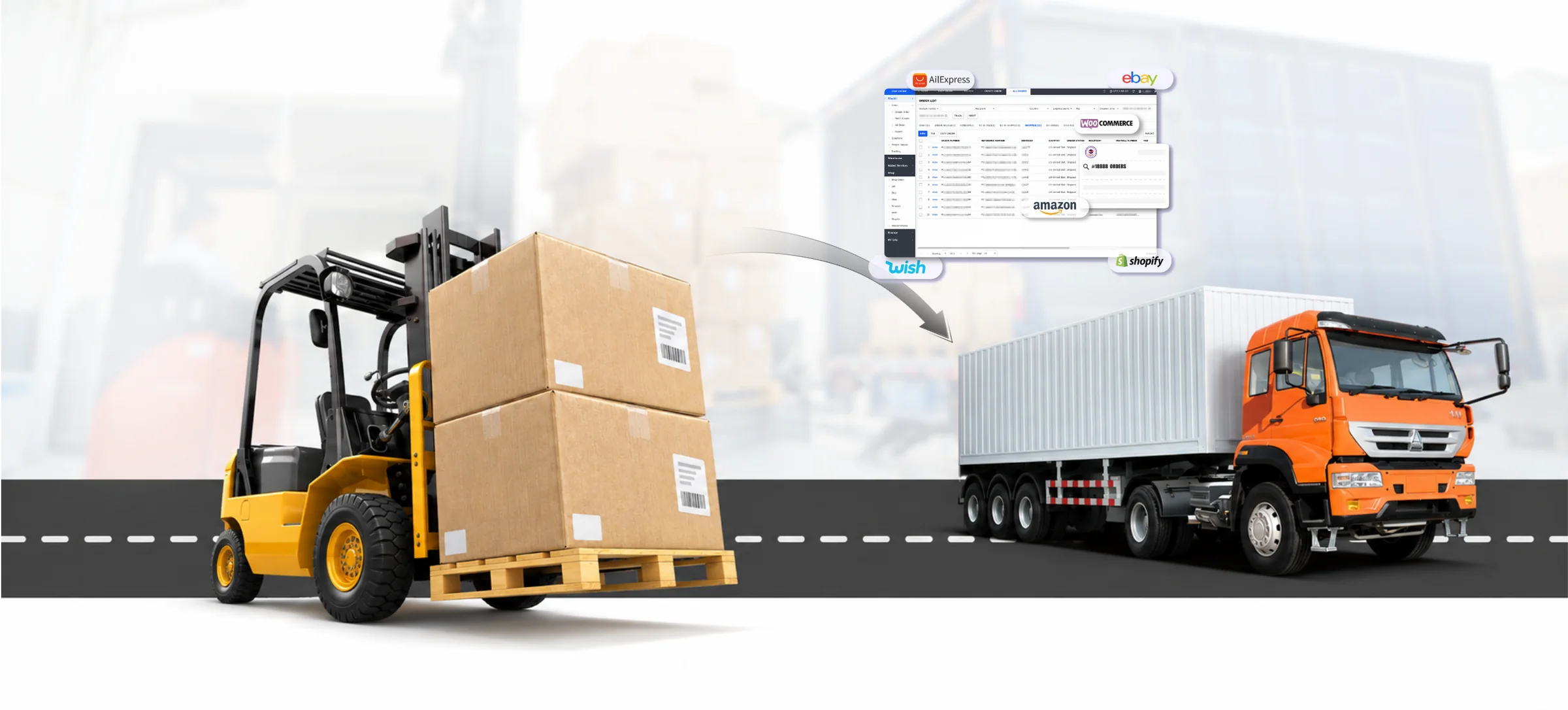
A 3PL runs warehouse operations. A 4PL also coordinates the suppliers, carriers, customs and data between them. The difference matters when your problem is handoffs, not shelf space.
Who does what
| Responsibility | 3PL | 4PL |
|---|---|---|
| Receiving, storage, pick and pack | Yes | Yes, directly or through a partner warehouse |
| Carrier selection and freight booking | Usually limited to its own labels | Coordinates carriers and routes across the chain |
| Supplier coordination | No | Yes, including handover format and timing |
| Customs and duty coordination | Sometimes, per shipment | Built into the route decision |
| Single point of accountability | For warehouse tasks | For the end-to-end order flow |
| Best fit | Stock is already in the country and the warehouse is the main need. | Suppliers, warehouses and carriers sit in different places and the handoffs are the problem. |
When a 3PL is enough
A 3PL is usually the right first step when your stock is already in the destination country, your carrier account is stable, and your main need is storage and pick and pack. You keep the supplier and freight relationships yourself.
That model works while the number of moving parts is small. It becomes harder when you add suppliers, countries, sales channels or a second warehouse.
When a 4PL pays for itself
A 4PL starts to make sense when the cost of coordination is visible in the business: missed handovers, split visibility, several vendors blaming each other, or a team spending its week chasing shipments instead of selling.
You are not only buying warehouse labour. You are buying one plan for sourcing, inbound, storage, packing and outbound, with one team responsible for the route. The trade-off is that you give up some direct control and pay for coordination.
The hidden cost of managing vendors
Every additional vendor adds a handoff, a login, an invoice and a failure point. The cost rarely appears as a line item. It appears as delayed orders, duplicated safety stock and management time.
Before choosing a model, map the handoffs in your current flow. If most of the friction sits between vendors rather than inside the warehouse, a 4PL is addressing the real problem.
Questions to ask both
- Who buys the carrier label, and who owns the tracking data?
- Who is accountable when a supplier ships late?
- How are customs documents and duty handled?
- What happens to returns, and who decides the disposition?
- Can I see stock and orders in one place?
- What is the exit process if we stop working together?
If the answers stop at the warehouse door, you are looking at a 3PL. If they cover the route from factory to customer, you are looking at a 4PL. For the operating model HQ uses, see 4PL orchestration.
FAQ
Is a 4PL more expensive than a 3PL?
It can be, because you are paying for coordination as well as warehouse work. The comparison should include the cost of the vendors and management time you no longer need, not just the per-order rate.
Can I start with a 3PL and move to a 4PL later?
Yes. Many brands start with warehouse-only support and add coordination when the number of suppliers, channels or countries makes the handoffs expensive.
Does a 4PL own the warehouse?
Not necessarily. A 4PL can operate its own warehouse or contract warehouse capacity. What distinguishes it is responsibility for the end-to-end flow, not the deed to the building.
Who is responsible when an order is late?
It depends on the contract. The practical test is whether one party owns the handoff. If each vendor is only responsible for its own leg, the brand usually absorbs the delay.
Do I still need a freight forwarder with a 4PL?
Sometimes. A 4PL may coordinate forwarders rather than replace them. Ask who books the lane, who clears customs and who handles exceptions before you sign.